Zum Inhalt springen
HitLight
HarmanyLX · Moving Head

HarmanyLX IP 680 Optimus Prime

DMX-Tabelle, 1 DMX-Modus und eine 3D-Vorschau. 18 DMX-Kanäle.
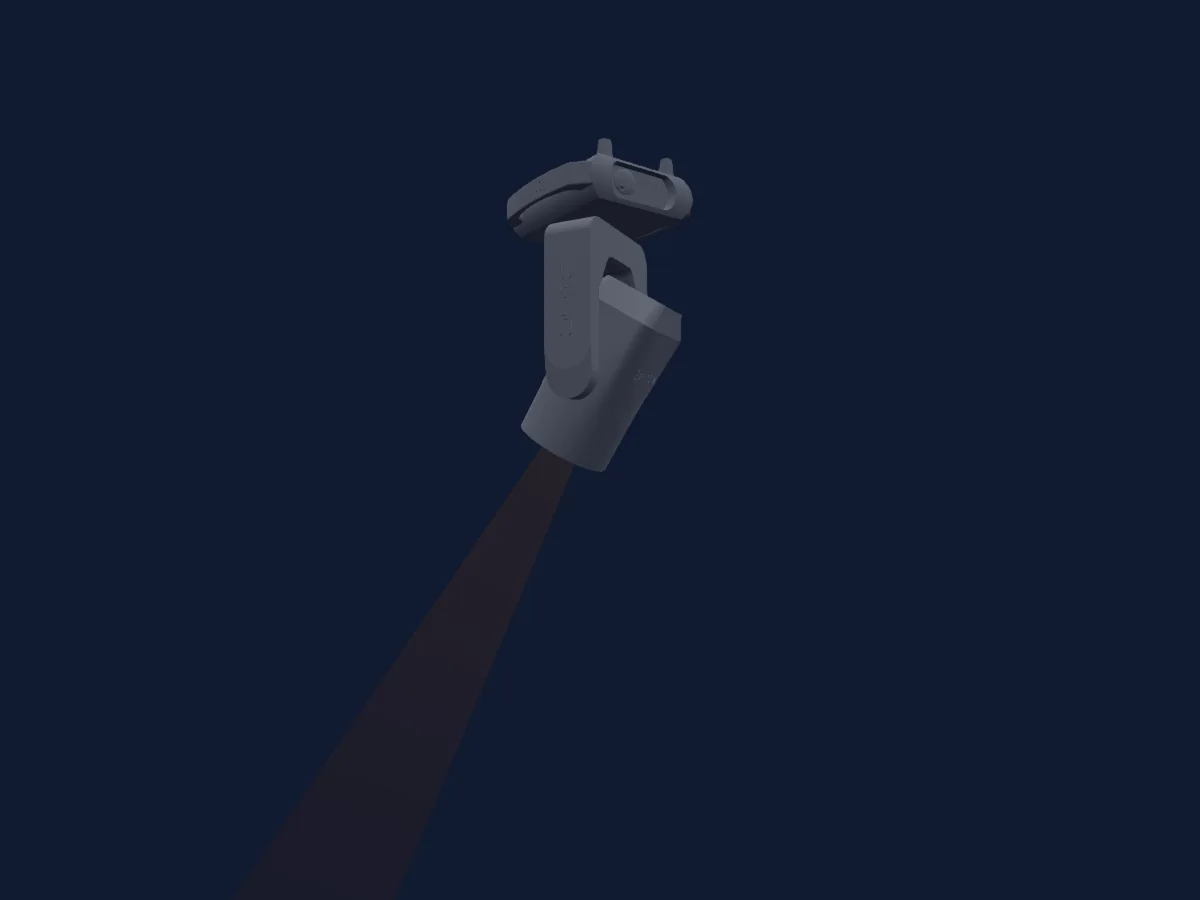
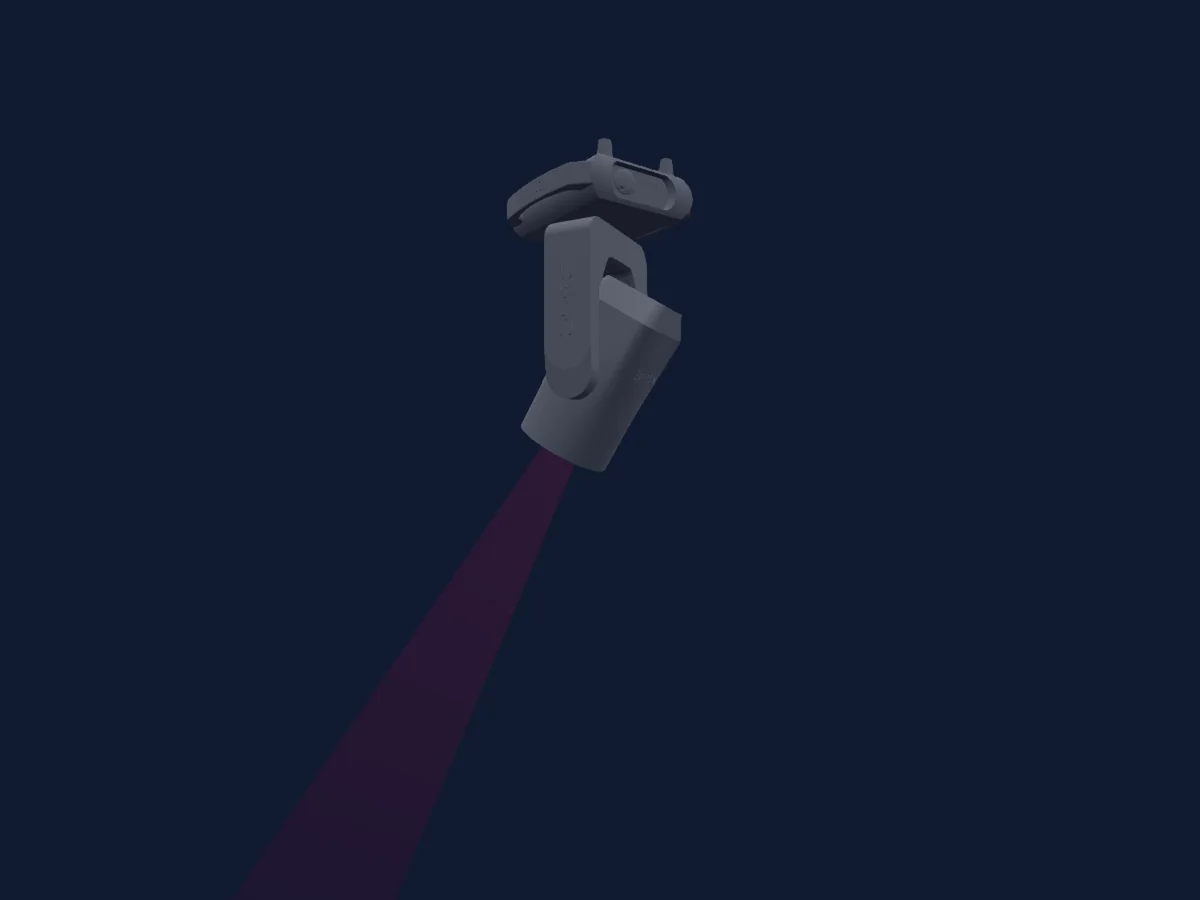
HarmanyLX IP 680 Optimus Prime, gerendert in HitLight

Was er kann

  • Fokus
  • Frost
  • Prisma
  • Prismenrotation
  • Farbrad
  • Strobe
  • Dimmer
  • Bewegungsgeschwindigkeit
  • Gobos

Sicherheitsrelevante Funktionen: Lampe ein und aus · Scheinwerfer-Reset · Strobe. Prüfe vor einer Show, wie sie sich an deinem eigenen Scheinwerfer verhalten.

DMX-Modi und Kanaltabellen

DMX-Modi von HarmanyLX IP 680 Optimus Prime
ModusKanäleIn HitLight
Mode 18Ch18Bereit in HitLight

Mode 18Ch

Bereit in HitLight

18 DMX-Kanäle · Diese Tabelle als CSV herunterladen

DMX-Kanaltabelle für Mode 18Ch
KanalFunktionStandardDMX-Werte
1Pan1280–255
2Tilt1280–255
3Position MSpeed00–255
4Dimmer0
2 Wertebereiche
  • 0–254 Closed
  • 255–255 Open
5Shutter / Strobe255
7 Wertebereiche
  • 0–3 Closed
  • 4–4 Strobe +
  • 5–126 Strobe
  • 127–127 Strobe ++
  • 128–249 Strobe
  • 250–250 Strobe +++
  • 255–255 Open
6Color Wheel0
30 Wertebereiche
  • 0–4 Open (wheel slot 1)
  • 5–9 White/Red (wheel slot 1)
  • 10–14 Red (wheel slot 2)
  • 15–19 Red/Green (wheel slot 2)
  • 20–24 Green (wheel slot 3)
  • 25–29 Green/Blue (wheel slot 3)
  • 30–34 Blue (wheel slot 4)
  • 35–39 Blue/Rose Red (wheel slot 4)
  • 40–44 Rose Red (wheel slot 8)
  • 45–49 Rose Red/Yellow (wheel slot 8)
  • 50–54 yellow (wheel slot 5)
  • 55–59 Yellow/Blue Green (wheel slot 5)
  • 60–64 Blue Green (wheel slot 10)
  • 65–69 Blue Green/Dark Yellow (wheel slot 10)
  • 70–74 Dark Yellow (wheel slot 11)
  • 75–79 Dark Yellow/Dark Green (wheel slot 11)
  • 80–84 Dark Green (wheel slot 12)
  • 85–89 Dark Green/Golden (wheel slot 12)
  • 90–94 Golden (wheel slot 13)
  • 95–99 Golden/Pink (wheel slot 13)
  • 100–104 Pink (wheel slot 9)
  • 105–109 Pink/Orange (wheel slot 9)
  • 110–154 Orange (wheel slot 6)
  • 155–164 Orange/ Cooling Half (wheel slot 6)
  • 165–187 Color 1 >>>
  • 188–209 Color 1 >>
  • 210–210 Color 1 >
  • 211–232 Color 1 <
  • 233–254 Color 1 <<
  • 255–255 Color 1 <<<
7Gobo0
29 Wertebereiche
  • 0–4 Open (wheel slot 1)
  • 5–9 Gobo 1 (wheel slot 2)
  • 10–14 Gobo 2 (wheel slot 3)
  • 15–19 Gobo 3 (wheel slot 4)
  • 20–24 Gobo 4 (wheel slot 5)
  • 25–29 Gobo 5 (wheel slot 6)
  • 30–34 Gobo 6 (wheel slot 7)
  • 35–39 Gobo 7 (wheel slot 8)
  • 40–44 Gobo 8 (wheel slot 9)
  • 45–49 Gobo 9 (wheel slot 10)
  • 50–54 Gobo 10 (wheel slot 11)
  • 55–59 Gobo 11 (wheel slot 12)
  • 60–64 Gobo 12 (wheel slot 13)
  • 65–69 Gobo 13 (wheel slot 14)
  • 70–74 Gobo 1 Shaking (wheel slot 2)
  • 75–79 Gobo 2 Shaking (wheel slot 3)
  • 80–84 Gobo 3 Shaking (wheel slot 4)
  • 85–89 Gobo 4 Shaking (wheel slot 5)
  • 90–94 Gobo 5 Shaking (wheel slot 6)
  • 95–99 Gobo 6 Shaking (wheel slot 7)
  • 100–104 Gobo 7 Shaking (wheel slot 8)
  • 105–109 Gobo 8 Shaking (wheel slot 9)
  • 110–114 Gobo 9 Shaking (wheel slot 10)
  • 115–119 Gobo 10 Shaking (wheel slot 11)
  • 120–124 Gobo 11 Shaking (wheel slot 12)
  • 125–129 Gobo 12 Shaking (wheel slot 13)
  • 130–134 Gobo 13 Shaking (wheel slot 14)
  • 135–199 Gobo1WheelSpin >
  • 200–255 Gobo1WheelSpin <
8Frost10
2 Wertebereiche
  • 0–127 Open
  • 128–255 Frost Insert
9Prism0
2 Wertebereiche
  • 0–127 Open (wheel slot 1)
  • 128–255 24F Prism (wheel slot 2)
10Prism Rotation0
12 Wertebereiche
  • 0–0 Stop (wheel slot 2)
  • 1–127 Prism1 Indexing (wheel slot 2)
  • 128–128 Prism 1 Rotating >Fast
  • 129–174 Prism 1 Rotating >>>
  • 175–175 Prism 1 Rotating >Middle
  • 176–189 Prism 1 Rotating >>>
  • 190–190 Prism 1 Rotating >Slow
  • 191–191 Prism 1 Rotating <Slow
  • 192–214 Prism 1 Rotating <<<
  • 215–215 Prism 1 Rotating <Middle
  • 216–254 Prism 1 Rotating <<<
  • 255–255 Prism 1 Rotating <Fast
11Prism0
2 Wertebereiche
  • 0–127 Open (wheel slot 1)
  • 128–255 8F Prism (wheel slot 3)
12Prism Rotation0
12 Wertebereiche
  • 0–0 Stop (wheel slot 3)
  • 1–127 Prism2 Indexing (wheel slot 3)
  • 128–128 Prism 2 Rotating >Fast
  • 129–174 Prism 2 Rotating >>>
  • 175–175 Prism 2 Rotating >Middle
  • 176–189 Prism 2 Rotating >>>
  • 190–190 Prism 2 Rotating >Slow
  • 191–191 Prism 2 Rotating <Slow
  • 192–214 Prism 2 Rotating <<<
  • 215–215 Prism 2 Rotating <Middle
  • 216–254 Prism 2 Rotating <<<
  • 255–255 Prism 2 Rotating <Fast
13Focus00–255
14Animation Wheel1Mode00–255
15Lamp Control0
5 Wertebereiche
  • 0–100 Reversed
  • 101–110 Lamp off
  • 111–200 Reversed
  • 201–210 Lamp on
  • 211–255 Reversed
16Fixture Global Reset0
2 Wertebereiche
  • 0–249 Reversed
  • 250–255 Reset all
17Pan Fine0Feinbyte von Pan
18Tilt Fine0Feinbyte von Tilt

HarmanyLX IP 680 Optimus Prime in HitLight verwenden

  1. Öffne Scheinwerfer hinzufügen und suche nach HarmanyLX IP 680 Optimus Prime.
  2. Wähle den DMX-Modus, der im Menü des Scheinwerfers eingestellt ist. HitLight gibt ihm die niedrigste freie Startadresse in seinem Universum, die zur Kanalzahl des Modus passt.
  3. Prüfe Modus und Steuerung an deinem echten Scheinwerfer, bevor du ihn live einsetzt.

Die Tabellen stammen aus der GDTF-Beschreibung des Scheinwerfers, umgewandelt für die HitLight-Bibliothek. HitLight ist nicht mit HarmanyLX verbunden.

Patche ihn und lass die Musik das Licht steuern.

HitLight findet diese Scheinwerfer in seiner Bibliothek, patcht sie auf die nächste freie Adresse und zeigt deine Lichtanlage in 3D, bevor ein einziges Licht eingesteckt ist.

HitLight öffnen ↗HitLight herunterladen