Zum Inhalt springen
HitLight
Terbly · Moving Head

Terbly GLW1960 IP

DMX-Tabelle, 3 DMX-Modi und eine 3D-Vorschau. 4 / 25 / 27 DMX-Kanäle.
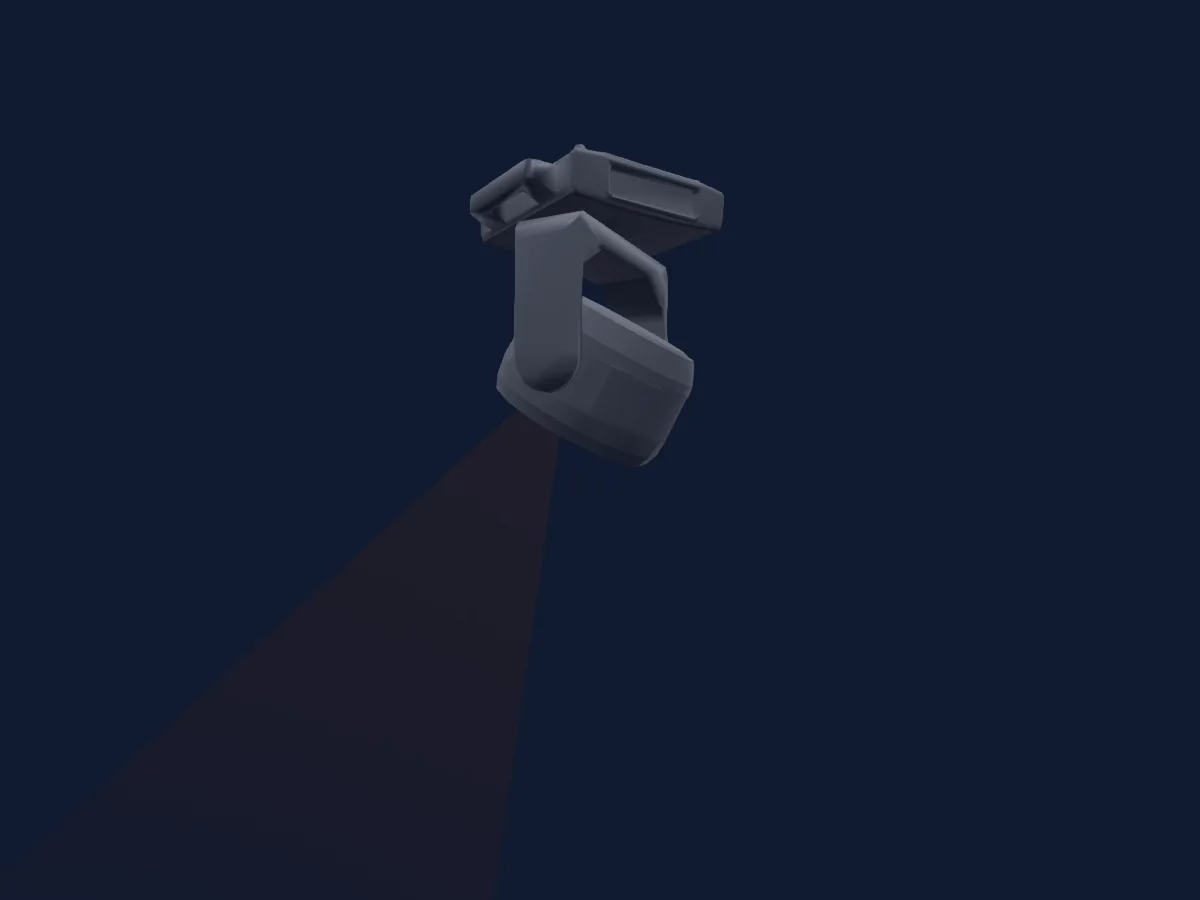
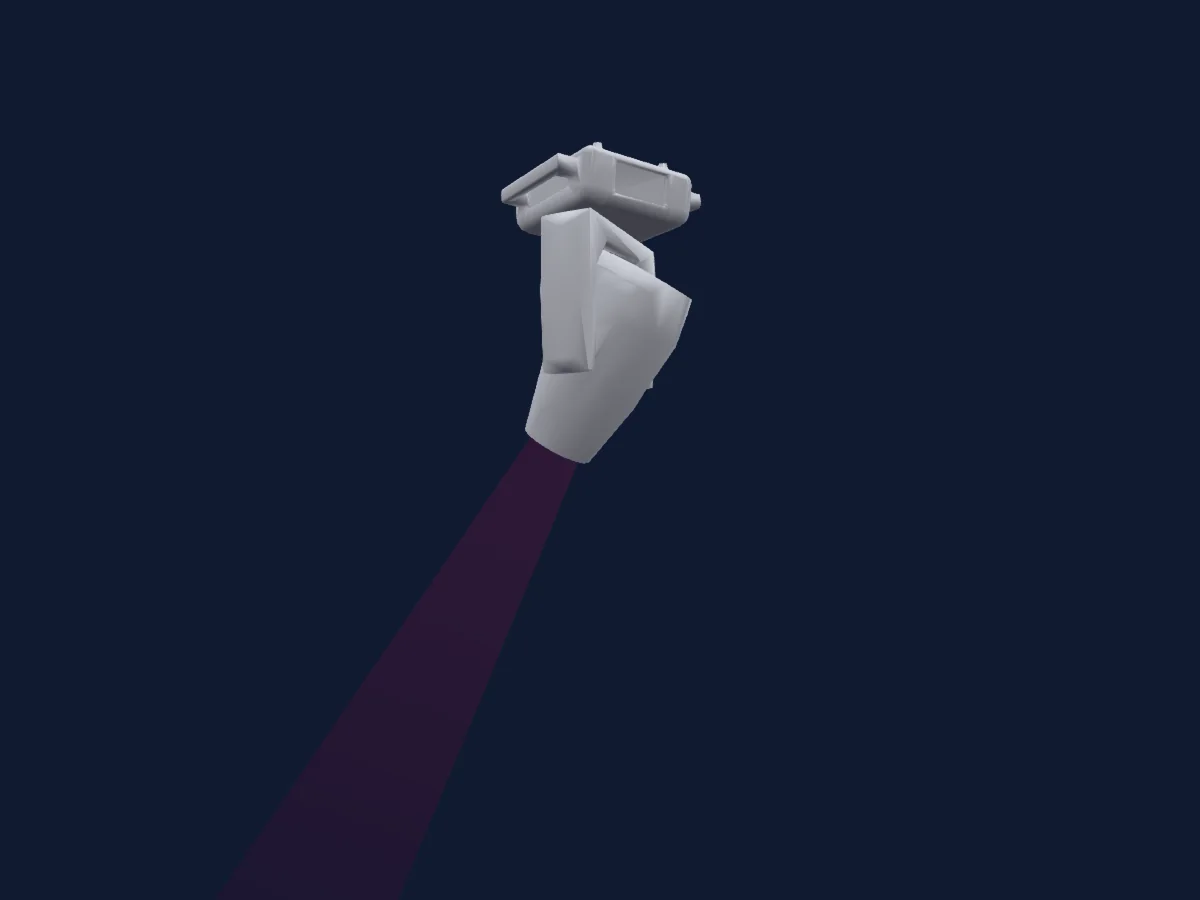
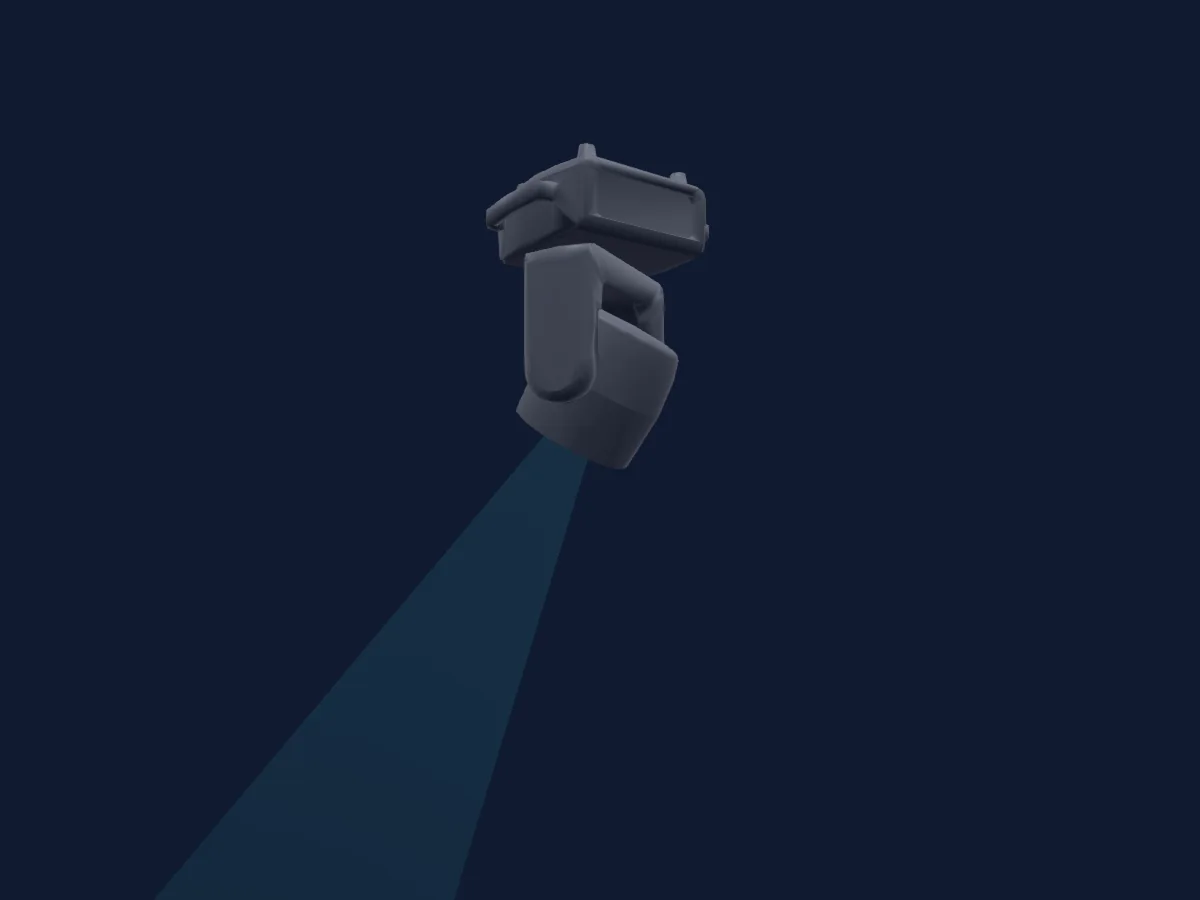
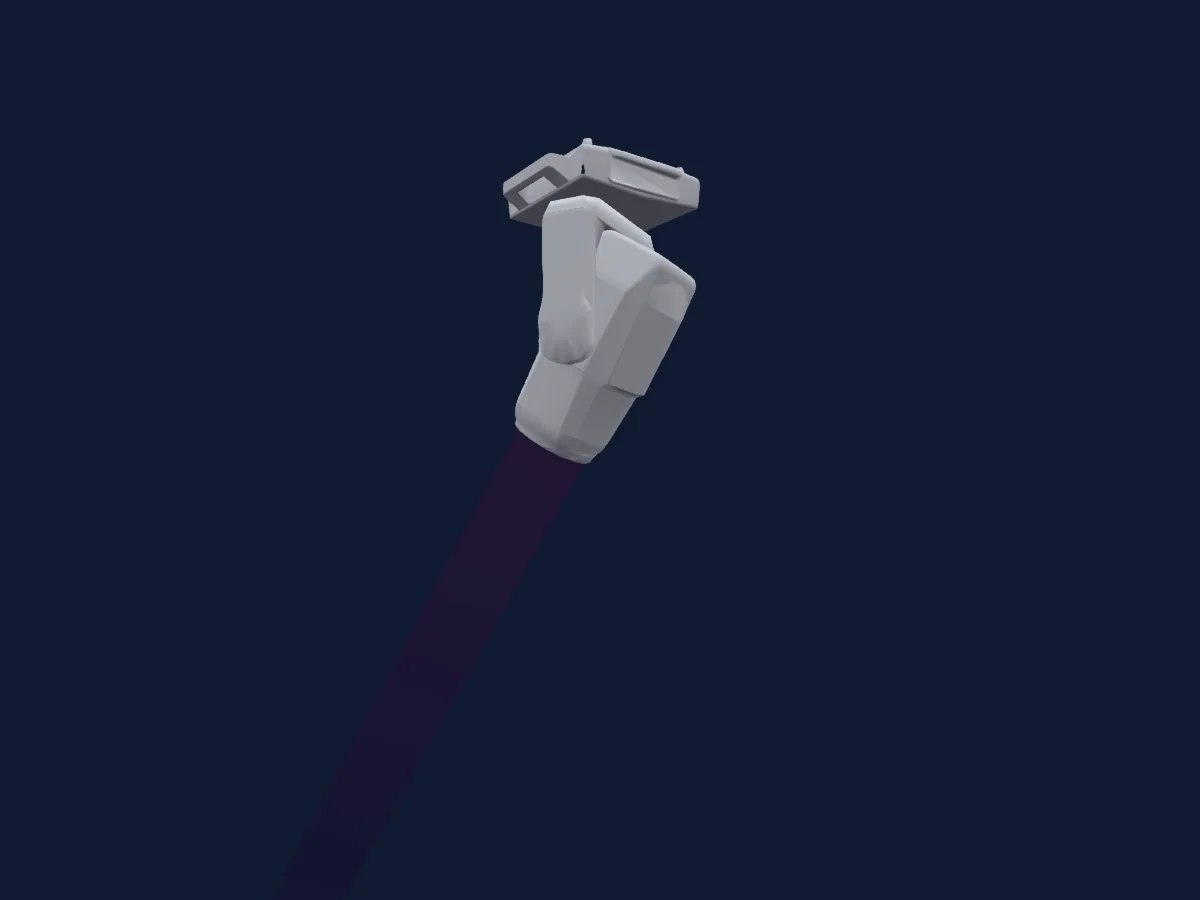
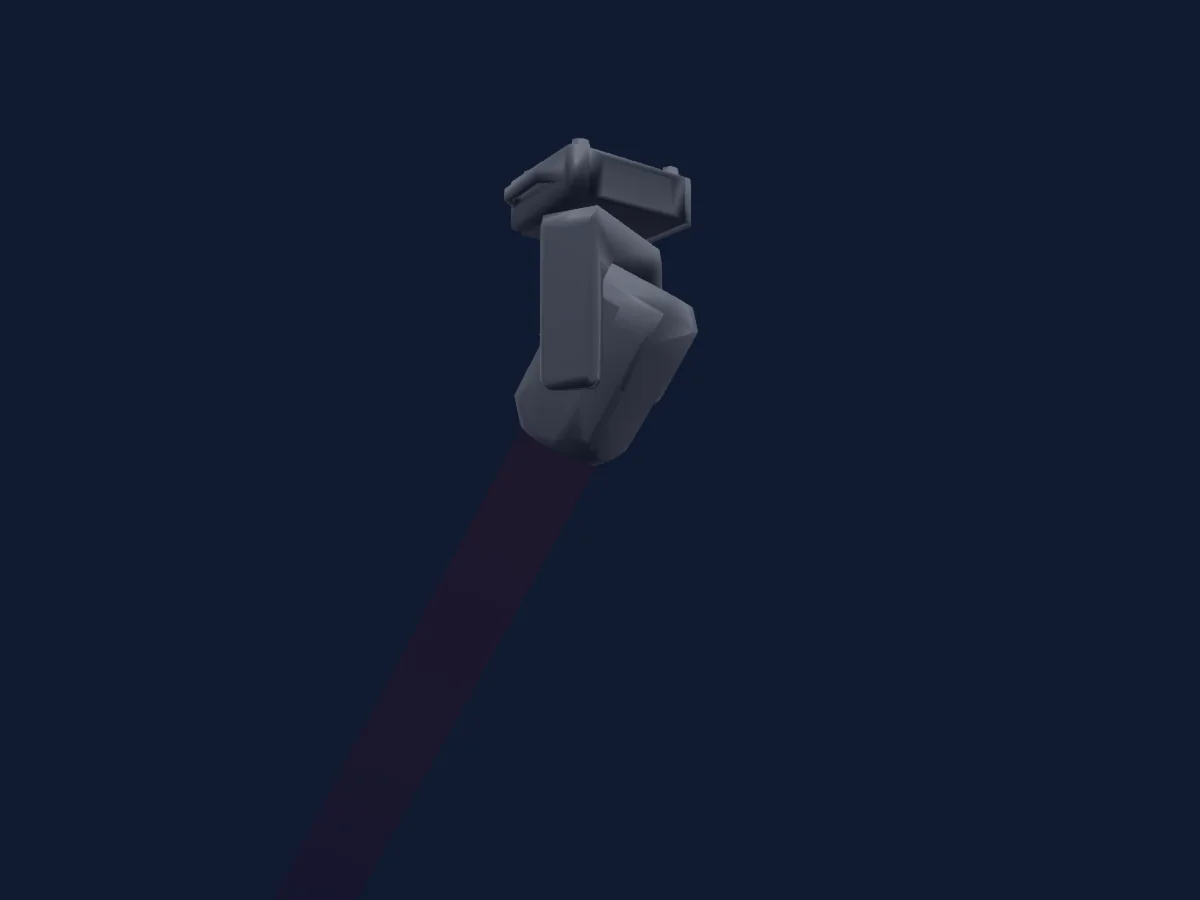
Terbly GLW1960 IP, gerendert in HitLight

Was er kann

  • Zoom
  • Zusätzliche LED-Farben
  • RGB-Farbmischung
  • Farbrad
  • Effektgeschwindigkeit
  • Strobe
  • Dimmer
  • Pixelsteuerung
  • Pan und Tilt
  • Bewegungsgeschwindigkeit

Sicherheitsrelevante Funktionen: Scheinwerfer-Reset · Servicefunktionen · Eingebaute Effektprogramme. Prüfe vor einer Show, wie sie sich an deinem eigenen Scheinwerfer verhalten.

DMX-Modi und Kanaltabellen

DMX-Modi von Terbly GLW1960 IP
ModusKanäleIn HitLight
RGBW Pixel4Bereit in HitLight
Extended25Bereit in HitLight
Standard27Bereit in HitLight

RGBW Pixel

Bereit in HitLight

4 DMX-Kanäle · Diese Tabelle als CSV herunterladen

DMX-Kanaltabelle für RGBW Pixel
KanalFunktionStandardDMX-Werte
1Red00–255
2Green00–255
3Blue00–255
4White00–255

Extended

Bereit in HitLight

25 DMX-Kanäle · Diese Tabelle als CSV herunterladen

DMX-Kanaltabelle für Extended
KanalFunktionStandardDMX-Werte
1Pan1280–255
2Pan Fine0Feinbyte von Pan
3Tilt1270–255
4Tilt Fine255Feinbyte von Tilt
5Position MSpeed0
4 Wertebereiche
  • 0–224 max
  • 225–225 min
  • 226–235 BO by Movement
  • 236–255 no function
6Pan Rotate0
8 Wertebereiche
  • 0–127 No function
  • 128–128 >>>
  • 129–188 >>
  • 189–189 >
  • 190–193 Stop
  • 194–194 <
  • 195–254 <<
  • 255–255 <<<
7Tilt Rotate0
8 Wertebereiche
  • 0–127 No function
  • 128–128 >>>
  • 129–188 >>
  • 189–189 >
  • 190–193 Stop
  • 194–194 <
  • 195–254 <<
  • 255–255 <<<
8Shutter / Strobe63
11 Wertebereiche
  • 0–62 Closed
  • 63–63 Open
  • 64–94 min Strobe
  • 95–95 max Strobe
  • 96–127 Open 2
  • 128–158 min Pulse
  • 159–159 max Pulse
  • 160–191 Open 3
  • 192–222 Random · min Rnd 1–24.2 Hz
  • 223–223 Random · maxRnd 25 Hz
  • 224–255 Open 4
9Dimmer0
2 Wertebereiche
  • 0–254 Closed
  • 255–255 Open
10Dimmer Fine0Feinbyte von Dimmer
11Dimmer Curve0
6 Wertebereiche
  • 0–20 Standard
  • 21–40 Stage
  • 41–60 TV
  • 61–80 Architectural
  • 81–100 Theatre
  • 101–255 Default
12Zoom128
3 Wertebereiche
  • 0–127 narrow
  • 128–254 normal
  • 255–255 wide
13Zoom Fine128Feinbyte von Zoom
14Color Macro10
9 Wertebereiche
  • 0–7 Normal
  • 8–39 Red to Yellow
  • 40–71 Yellow to Green
  • 72–103 Green to Cyan
  • 104–135 Cyan to Blue
  • 136–167 Blue to Magenta
  • 168–199 Magenta to Red
  • 200–231 Red to White
  • 232–255 Cross fading
15Color Wheel0
30 Wertebereiche
  • 0–4 No function (wheel slot 1)
  • 5–9 2700K (wheel slot 2)
  • 10–14 3200K (wheel slot 3)
  • 15–19 4300K (wheel slot 4)
  • 20–24 5600K (wheel slot 5)
  • 25–29 6500K (wheel slot 6)
  • 30–34 8000K (wheel slot 7)
  • 35–39 Red (wheel slot 8)
  • 40–44 Green (wheel slot 9)
  • 45–49 Blue (wheel slot 10)
  • 50–54 Natural White (wheel slot 11)
  • 55–59 Full White (wheel slot 12)
  • 60–64 Yellow (wheel slot 13)
  • 65–69 Magenta (wheel slot 14)
  • 70–74 Cyan (wheel slot 15)
  • 75–79 Salmon (wheel slot 16)
  • 80–84 Turquoise (wheel slot 17)
  • 85–89 Light Green (wheel slot 18)
  • 90–94 Steel Blue (wheel slot 19)
  • 95–99 Orange (wheel slot 20)
  • 100–104 Straw (wheel slot 21)
  • 105–109 Pale Lavander (wheel slot 22)
  • 110–114 Pink (wheel slot 23)
  • 115–119 Red/White (wheel slot 24)
  • 120–124 Green/Red (wheel slot 25)
  • 125–129 Blue/Red (wheel slot 26)
  • 130–134 White/Red (wheel slot 27)
  • 135–139 White/Pink (wheel slot 28)
  • 140–144 White/Turquoise (wheel slot 29)
  • 145–255 Small Red/White (wheel slot 30)
16Color Dim0
2 Wertebereiche
  • 0–254 Open
  • 255–255 Closed
17Effect0
24 Wertebereiche
  • 0–25 Safe
  • 26–35 Chase 1
  • 36–45 Chase 2
  • 46–55 Chase 3
  • 56–65 Chase 4
  • 66–75 Chase 5
  • 76–85 Chase 6
  • 86–95 Chase 7
  • 96–105 Chase 8
  • 106–115 Chase 9
  • 116–125 Chase 10
  • 126–135 Chase 11
  • 136–145 Chase 12
  • 146–155 Chase 13
  • 156–165 Chase 14
  • 166–175 Chase 15
  • 176–185 Chase 16
  • 186–195 Chase 17
  • 196–205 Chase 18
  • 206–215 Chase 19
  • 216–225 Chase 20
  • 226–235 Chase 21
  • 236–245 Chase 22
  • 246–255 Chase 23
18Effect Speed0
7 Wertebereiche
  • 0–0 >>>
  • 1–124 >>
  • 125–125 >
  • 126–130 Stop
  • 131–131 <
  • 132–254 <<
  • 255–255 <<<
19Effects1Fade00–255
20Color Calibration Mode0
3 Wertebereiche
  • 0–189 No function
  • 190–254 Edit a new white balance
  • 255–255 Store a new white balance
21Control10
24 Wertebereiche
  • 0–39 Normal
  • 40–42 Display Off
  • 43–45 Display ON
  • 46–48 Fan Auto
  • 49–51 Fan High
  • 52–54 Fan Silent
  • 55–57 Fan Studio
  • 58–60 Fan Mute
  • 61–63 Gamma=2'0
  • 64–66 Gamma=2'2
  • 67–69 Gamma=2'4
  • 70–72 Gamma=2'6
  • 73–75 Gamma=2'8
  • 80–84 Reset All
  • 85–90 Reset P/T
  • 91–93 Store white balance enabled
  • 97–99 Reset Zoom
  • 100–119 Internal pro 1
  • 120–139 Internal pro 2
  • 140–159 Internal pro 3
  • 160–179 Internal pro 4
  • 180–199 Internal pro 5
  • 200–219 Internal pro 6
  • 220–255 Internal pro 7
22Red2550–255
23Green2550–255
24Blue2550–255
25White00–255

Standard

Bereit in HitLight

27 DMX-Kanäle · Diese Tabelle als CSV herunterladen

DMX-Kanaltabelle für Standard
KanalFunktionStandardDMX-Werte
1Pan1280–255
2Pan Fine0Feinbyte von Pan
3Tilt1270–255
4Tilt Fine255Feinbyte von Tilt
5Position MSpeed0
4 Wertebereiche
  • 0–224 max
  • 225–225 min
  • 226–235 BO by Movement
  • 236–255 no function
6Pan Rotate0
8 Wertebereiche
  • 0–127 No function
  • 128–128 >>>
  • 129–188 >>
  • 189–189 >
  • 190–193 Stop
  • 194–194 <
  • 195–254 <<
  • 255–255 <<<
7Tilt Rotate0
8 Wertebereiche
  • 0–127 No function
  • 128–128 >>>
  • 129–188 >>
  • 189–189 >
  • 190–193 Stop
  • 194–194 <
  • 195–254 <<
  • 255–255 <<<
8Shutter / Strobe63
11 Wertebereiche
  • 0–62 Closed
  • 63–63 Open
  • 64–94 min Strobe
  • 95–95 max Strobe
  • 96–127 Open 2
  • 128–158 min Pulse
  • 159–159 max Pulse
  • 160–191 Open 3
  • 192–222 Random · min Rnd 1–24.2 Hz
  • 223–223 Random · maxRnd 25 Hz
  • 224–255 Open 4
9Dimmer0
2 Wertebereiche
  • 0–254 Closed
  • 255–255 Open
10Dimmer Curve0
6 Wertebereiche
  • 0–20 Standard
  • 21–40 Stage
  • 41–60 TV
  • 61–80 Architectural
  • 81–100 Theatre
  • 101–255 Default
11Zoom128
3 Wertebereiche
  • 0–127 narrow
  • 128–254 normal
  • 255–255 wide
12Red2550–255
13Red Fine255Feinbyte von Red
14Green2550–255
15Green Fine255Feinbyte von Green
16Blue2550–255
17Blue Fine255Feinbyte von Blue
18White00–255
19White Fine0Feinbyte von White
20Color Macro10
9 Wertebereiche
  • 0–7 Normal
  • 8–39 Red to Yellow
  • 40–71 Yellow to Green
  • 72–103 Green to Cyan
  • 104–135 Cyan to Blue
  • 136–167 Blue to Magenta
  • 168–199 Magenta to Red
  • 200–231 Red to White
  • 232–255 Cross fading
21Color Wheel0
30 Wertebereiche
  • 0–4 No function (wheel slot 1)
  • 5–9 2700K (wheel slot 2)
  • 10–14 3200K (wheel slot 3)
  • 15–19 4300K (wheel slot 4)
  • 20–24 5600K (wheel slot 5)
  • 25–29 6500K (wheel slot 6)
  • 30–34 8000K (wheel slot 7)
  • 35–39 Red (wheel slot 8)
  • 40–44 Green (wheel slot 9)
  • 45–49 Blue (wheel slot 10)
  • 50–54 Natural White (wheel slot 11)
  • 55–59 Full White (wheel slot 12)
  • 60–64 Yellow (wheel slot 13)
  • 65–69 Magenta (wheel slot 14)
  • 70–74 Cyan (wheel slot 15)
  • 75–79 Salmon (wheel slot 16)
  • 80–84 Turquoise (wheel slot 17)
  • 85–89 Light Green (wheel slot 18)
  • 90–94 Steel Blue (wheel slot 19)
  • 95–99 Orange (wheel slot 20)
  • 100–104 Straw (wheel slot 21)
  • 105–109 Pale Lavander (wheel slot 22)
  • 110–114 Pink (wheel slot 23)
  • 115–119 Red/White (wheel slot 24)
  • 120–124 Green/Red (wheel slot 25)
  • 125–129 Blue/Red (wheel slot 26)
  • 130–134 White/Red (wheel slot 27)
  • 135–139 White/Pink (wheel slot 28)
  • 140–144 White/Turquoise (wheel slot 29)
  • 145–255 Small Red/White (wheel slot 30)
22Color Dim0
2 Wertebereiche
  • 0–254 Open
  • 255–255 Closed
23Effect0
24 Wertebereiche
  • 0–25 Safe
  • 26–35 Chase 1
  • 36–45 Chase 2
  • 46–55 Chase 3
  • 56–65 Chase 4
  • 66–75 Chase 5
  • 76–85 Chase 6
  • 86–95 Chase 7
  • 96–105 Chase 8
  • 106–115 Chase 9
  • 116–125 Chase 10
  • 126–135 Chase 11
  • 136–145 Chase 12
  • 146–155 Chase 13
  • 156–165 Chase 14
  • 166–175 Chase 15
  • 176–185 Chase 16
  • 186–195 Chase 17
  • 196–205 Chase 18
  • 206–215 Chase 19
  • 216–225 Chase 20
  • 226–235 Chase 21
  • 236–245 Chase 22
  • 246–255 Chase 23
24Effect Speed0
7 Wertebereiche
  • 0–0 >>>
  • 1–124 >>
  • 125–125 >
  • 126–130 Stop
  • 131–131 <
  • 132–254 <<
  • 255–255 <<<
25Effects1Fade00–255
26Color Calibration Mode0
3 Wertebereiche
  • 0–189 No function
  • 190–254 Edit a new white balance
  • 255–255 Store a new white balance
27Control10
24 Wertebereiche
  • 0–39 Normal
  • 40–42 Display Off
  • 43–45 Display ON
  • 46–48 Fan Auto
  • 49–51 Fan High
  • 52–54 Fan Silent
  • 55–57 Fan Studio
  • 58–60 Fan Mute
  • 61–63 Gamma=2'0
  • 64–66 Gamma=2'2
  • 67–69 Gamma=2'4
  • 70–72 Gamma=2'6
  • 73–75 Gamma=2'8
  • 80–84 Reset All
  • 85–90 Reset P/T
  • 91–93 Store white balance enabled
  • 97–99 Reset Zoom
  • 100–119 Internal pro 1
  • 120–139 Internal pro 2
  • 140–159 Internal pro 3
  • 160–179 Internal pro 4
  • 180–199 Internal pro 5
  • 200–219 Internal pro 6
  • 220–255 Internal pro 7

Terbly GLW1960 IP in HitLight verwenden

  1. Öffne Scheinwerfer hinzufügen und suche nach Terbly GLW1960 IP.
  2. Wähle den DMX-Modus, der im Menü des Scheinwerfers eingestellt ist. HitLight gibt ihm die niedrigste freie Startadresse in seinem Universum, die zur Kanalzahl des Modus passt.
  3. Prüfe Modus und Steuerung an deinem echten Scheinwerfer, bevor du ihn live einsetzt.

Die Tabellen stammen aus der GDTF-Beschreibung des Scheinwerfers, umgewandelt für die HitLight-Bibliothek. HitLight ist nicht mit Terbly verbunden.

Patche ihn und lass die Musik das Licht steuern.

HitLight findet diese Scheinwerfer in seiner Bibliothek, patcht sie auf die nächste freie Adresse und zeigt deine Lichtanlage in 3D, bevor ein einziges Licht eingesteckt ist.

HitLight öffnen ↗HitLight herunterladen