Saltar al contenido
HitLight
Clay Paky · Recorte

Clay Paky Alpha Spot HPE 700

Tabla DMX, 1 modo DMX y vista previa en 3D. 25 canales DMX.
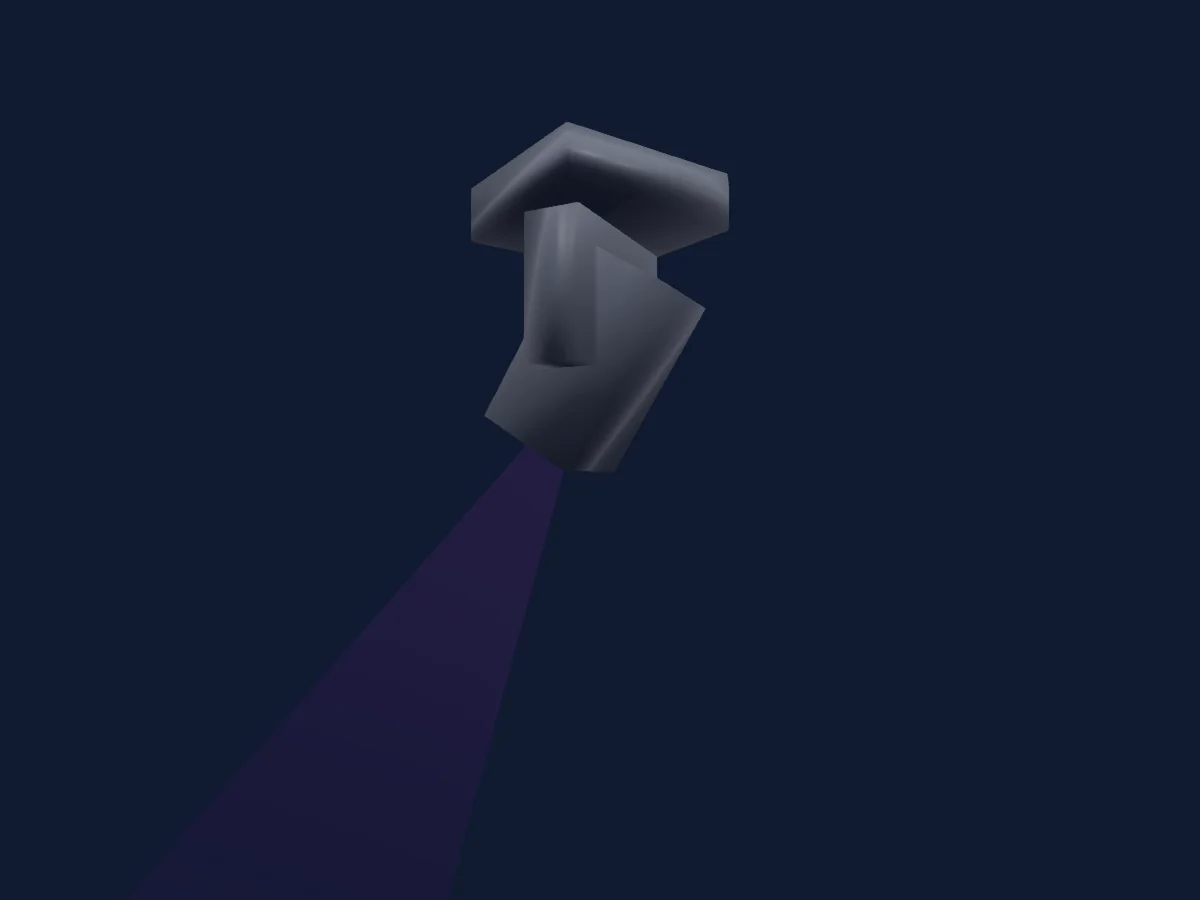
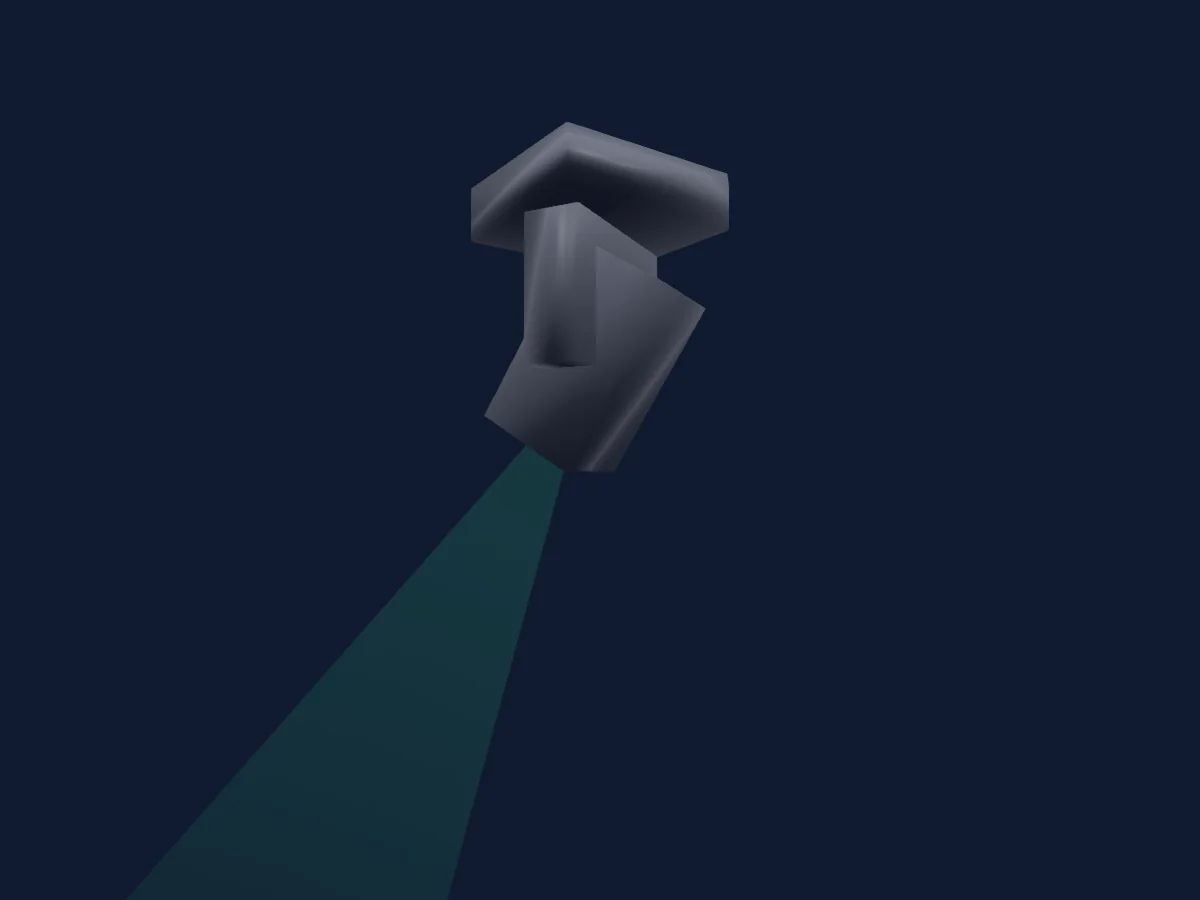
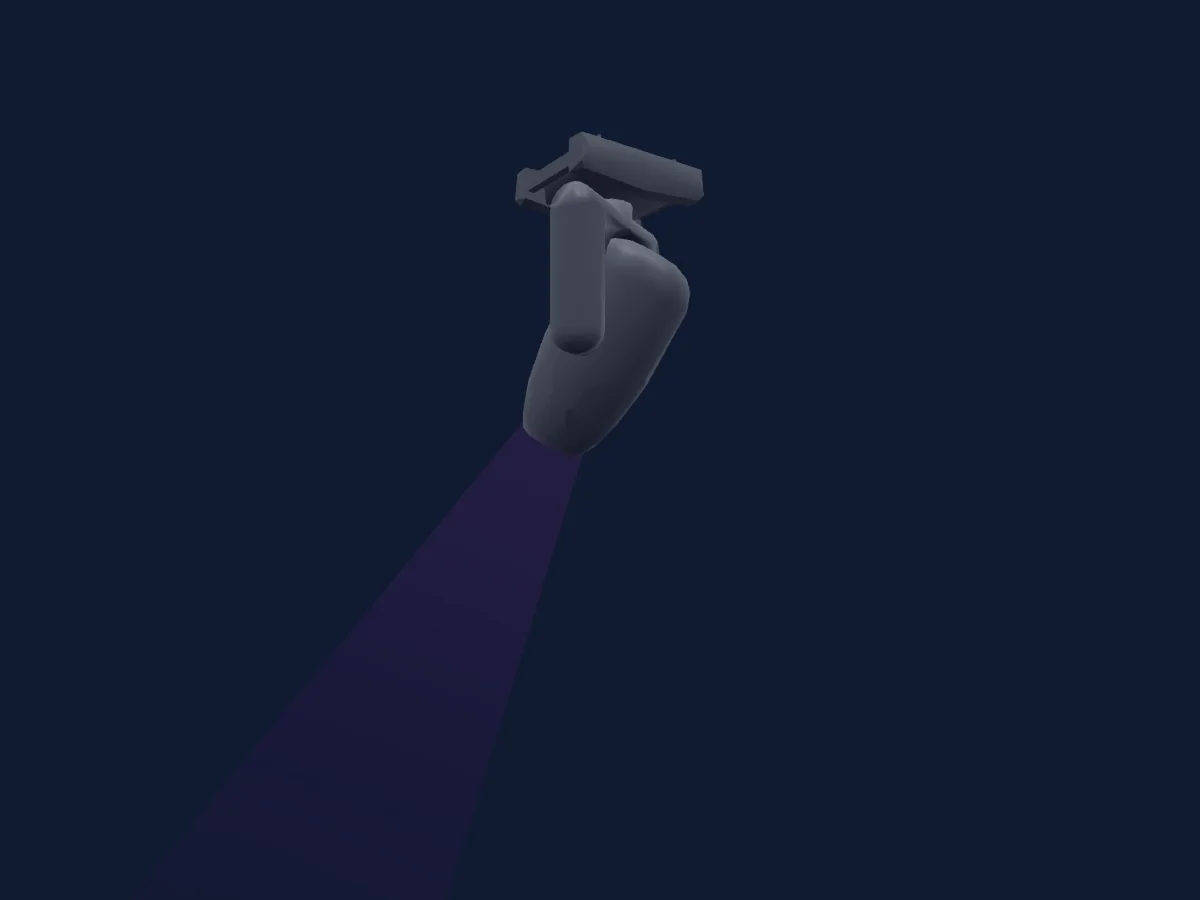
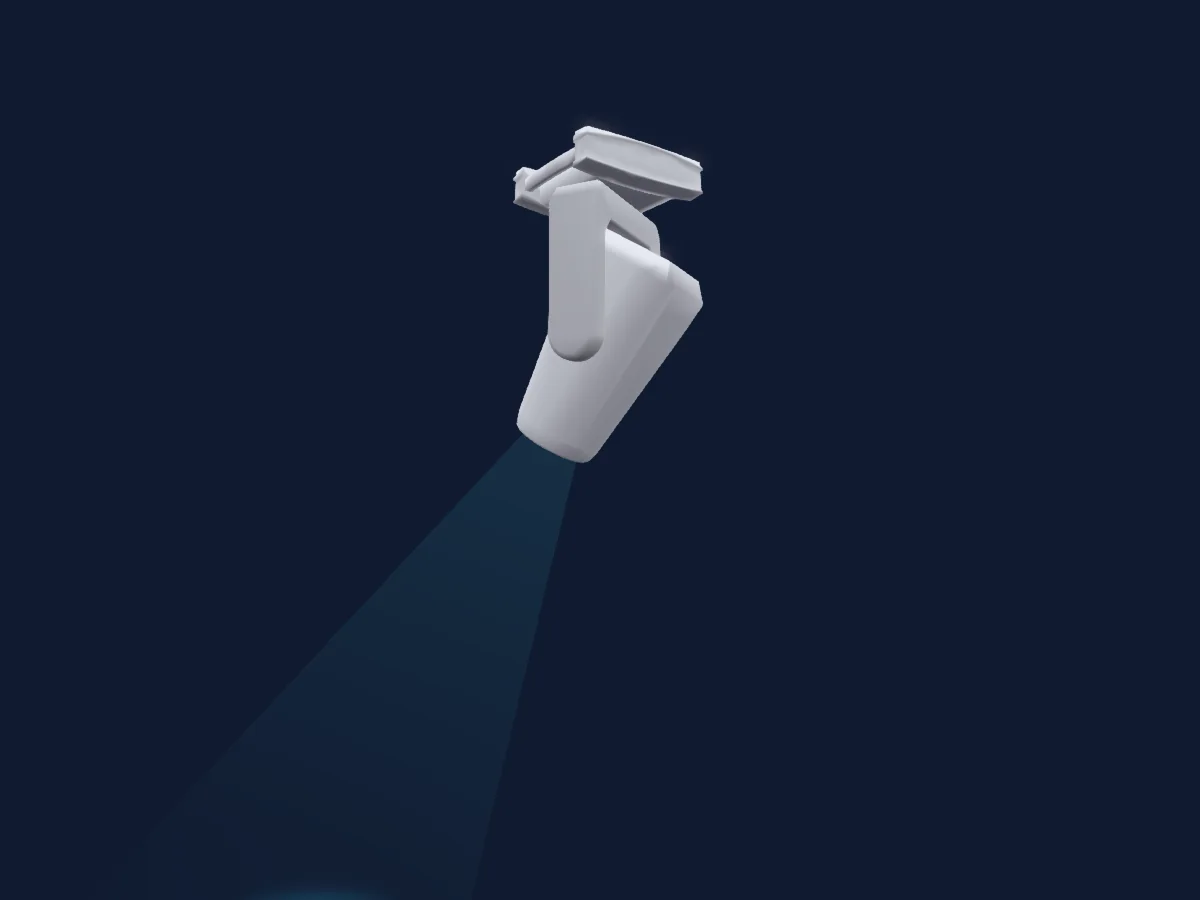
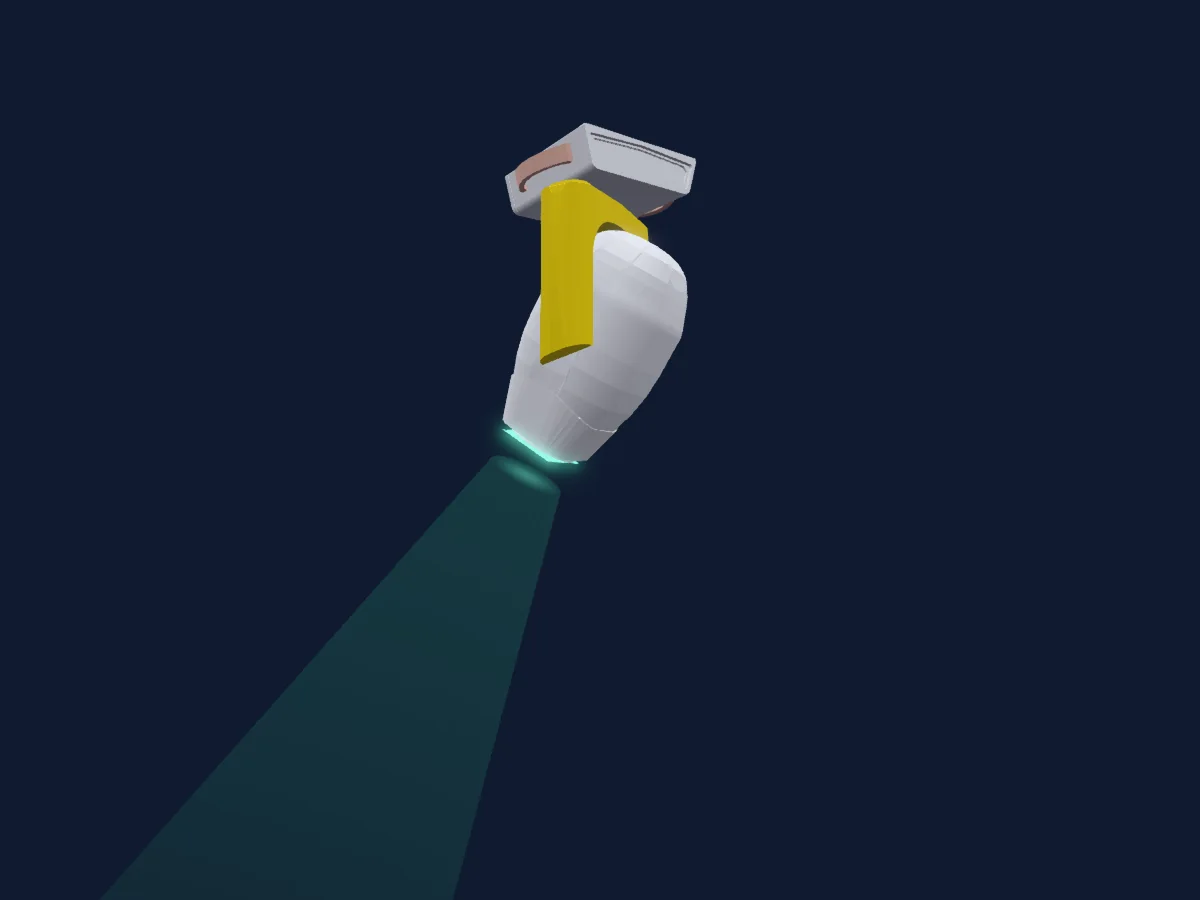
Clay Paky Alpha Spot HPE 700 renderizado en HitLight

Lo que puede hacer

  • Foco
  • Frost
  • Iris
  • Prisma
  • Rotación del prisma
  • Zoom
  • Mezcla de color CMY
  • Rueda de color
  • Estrobo
  • Intensidad
  • Pan y tilt
  • Gobos
  • Rotación de gobos

Funciones relevantes para la seguridad: Encendido y apagado de la lámpara · Reinicio del foco · Programas de efectos integrados. Comprueba cómo se comportan en tu propio foco antes de un espectáculo.

Modos DMX y tablas de canales

Modos DMX de Clay Paky Alpha Spot HPE 700
ModoCanalesEn HitLight
Standard25Listo en HitLight

Standard

Listo en HitLight

25 canales DMX · Descargar esta tabla en CSV

Tabla de canales DMX de Standard
CanalFunciónPredeterminadoValores DMX
1Cyan0
2 rangos de valores
  • 0–254 Open
  • 255–255 Full
2Magenta0
2 rangos de valores
  • 0–254 Open
  • 255–255 Full
3Yellow0
2 rangos de valores
  • 0–253 Open
  • 254–255 Full
4Effect0
2 rangos de valores
  • 0–127 Uniform Field Off
  • 128–255 Uniform Field On
5Color Wheel0
20 rangos de valores
  • 0–6 Open (wheel slot 1)
  • 7–16 Open + Red
  • 17–20 Red (wheel slot 2)
  • 21–30 Red + Half Minus Green
  • 31–34 Half Minus Green (wheel slot 3)
  • 35–44 Half Minus Green + CTO 2500
  • 45–48 CTO 2500 (wheel slot 4)
  • 49–58 CTO 2500 + CTO 3200
  • 59–62 CTO 3200 (wheel slot 5)
  • 63–72 CTO 3200 + Green
  • 73–76 Green (wheel slot 6)
  • 77–86 Green + Aquamarine
  • 87–90 Aquamarine (wheel slot 7)
  • 91–100 Aquamarine + Orange
  • 101–104 Orange (wheel slot 8)
  • 105–114 Orange + Blue
  • 115–118 Blue (wheel slot 9)
  • 119–127 Blue + White
  • 128–254 Slow Rot
  • 255–255 Fast Rot
6Shutter / Strobe105
11 rangos de valores
  • 0–3 Closed
  • 4–102 Strobe · Slow 1–12.9 Hz
  • 103–103 Strobe · Fast 13 Hz
  • 104–107 Open
  • 108–206 Pulse · Slow 0.1–12.9 Hz
  • 207–207 Pulse · Fast 13 Hz
  • 208–212 Open
  • 213–225 Strobe Random · Slow 0.1–4.17 Hz
  • 226–238 Strobe Random · Medium 4.51–8.59 Hz
  • 239–251 Strobe Random · Fast 8.93–13 Hz
  • 252–255 Open
7Dimmer0
2 rangos de valores
  • 0–254 Closed
  • 255–255 Open
8Dimmer Fine0Byte fino de Dimmer
9Iris129
10 rangos de valores
  • 0–130 Min
  • 131–131 Standart
  • 132–170 Slow
  • 171–171 Fast
  • 172–210 Slow
  • 211–211 Fast
  • 212–250 Slow
  • 251–251 Fast
  • 252–254 Max
  • 255–255 Standart
10Gobo0
20 rangos de valores
  • 0–7 Open (wheel slot 9)
  • 8–15 Gobo 1 (wheel slot 1)
  • 16–23 Gobo 2 (wheel slot 2)
  • 24–31 Gobo 3 (wheel slot 3)
  • 32–39 Gobo 4 (wheel slot 4)
  • 40–47 Gobo 5 (wheel slot 5)
  • 48–55 Gobo 6 (wheel slot 6)
  • 56–63 Gobo 7 (wheel slot 7)
  • 64–71 Gobo 8 (wheel slot 8)
  • 72–112 >>>
  • 113–113 >
  • 114–117 Stop
  • 118–158 <
  • 159–159 <<<
  • 160–175 Gobo 2 (wheel slot 2)
  • 176–191 Gobo 3 (wheel slot 3)
  • 192–207 Gobo 4 (wheel slot 4)
  • 208–223 Gobo 5 (wheel slot 5)
  • 224–239 Gobo 6 (wheel slot 6)
  • 240–255 Gobo 7 (wheel slot 7)
11Gobo 20
15 rangos de valores
  • 0–15 Open (wheel slot 1)
  • 16–31 Gobo 1 (wheel slot 2)
  • 32–47 Gobo 2 (wheel slot 3)
  • 48–63 Gobo 3 (wheel slot 4)
  • 64–79 Gobo 4 (wheel slot 5)
  • 80–95 Gobo 5 (wheel slot 6)
  • 96–111 Gobo 6 (wheel slot 7)
  • 112–129 Gobo 7 (wheel slot 8)
  • 130–147 Gobo2-1 (wheel slot 2)
  • 148–165 Gobo2-2 (wheel slot 3)
  • 166–183 Gobo2-3 (wheel slot 4)
  • 184–201 Gobo2-4 (wheel slot 5)
  • 202–219 Gobo2-5 (wheel slot 6)
  • 220–237 Gobo2-6 (wheel slot 7)
  • 238–255 Gobo2-7 (wheel slot 8)
12Gobo Rotation 20
14 rangos de valores
  • 0–20 0 Deg
  • 21–41 90 Deg
  • 42–62 180 Deg
  • 63–83 270 Deg
  • 84–104 360 Deg
  • 105–126 450 Deg
  • 127–127 540 Deg
  • 128–147 >>>
  • 148–168 >>
  • 169–190 >
  • 191–192 Stop
  • 193–213 <
  • 214–233 <<
  • 234–255 <<<
13Gobo Rotation 2 Fine0Byte fino de Gobo Rotation 2
14Prism0
2 rangos de valores
  • 0–128 Open (wheel slot 2)
  • 129–255 5 Facet (wheel slot 1)
15Prism Rotation0
12 rangos de valores
  • 0–20 0 Deg (wheel slot 1)
  • 21–41 90 Deg (wheel slot 1)
  • 42–62 180 Deg (wheel slot 1)
  • 63–83 270 Deg (wheel slot 1)
  • 84–104 360 Deg (wheel slot 1)
  • 105–126 450 Deg (wheel slot 1)
  • 127–127 540 Deg (wheel slot 1)
  • 128–189 <<< (wheel slot 1)
  • 190–190 < (wheel slot 1)
  • 191–192 Stop (wheel slot 1)
  • 193–254 > (wheel slot 1)
  • 255–255 >>> (wheel slot 1)
16Frost10
2 rangos de valores
  • 0–254 min Frost
  • 255–255 max Frost
17Focus0
2 rangos de valores
  • 0–254 Distant
  • 255–255 Near
18Zoom1270–255
19Pan1280–255
20Pan Fine0Byte fino de Pan
21Tilt1280–255
22Tilt Fine0Byte fino de Tilt
23Funktion00–255
24Fixture Global Reset0
4 rangos de valores
  • 0–25 No Funtion
  • 26–76 Color Reset
  • 77–127 Position Reset
  • 128–255 Global Reset
25Lamp Control0
4 rangos de valores
  • 0–25 No function
  • 26–100 Lamp off
  • 101–179 NoFeature 1
  • 180–255 Lamp on

Usar Clay Paky Alpha Spot HPE 700 en HitLight

  1. Abre Añadir foco y busca Clay Paky Alpha Spot HPE 700.
  2. Elige el modo DMX configurado en el menú del propio foco. HitLight le asigna la dirección inicial libre más baja de su universo en la que cabe el número de canales del modo.
  3. Comprueba el modo y los controles con tu foco real antes de usarlo en directo.

Salas con Clay Paky Alpha Spot HPE 700

Sus montajes guardados incluyen este modelo de aparato. Confirma el equipo actual con la sala.

Las tablas proceden de la descripción GDTF del foco, convertida para la biblioteca de HitLight. HitLight no está vinculado a Clay Paky.

Conéctalo y deja que la música mueva las luces.

HitLight encuentra estos focos en su biblioteca, los conecta en la siguiente dirección libre y muestra tu montaje en 3D antes de enchufar una sola luz.

Abrir HitLight ↗Descargar HitLight