Pular para o conteúdo
HitLight
High End Systems · Moving head

High End Systems Hyperstar Standard

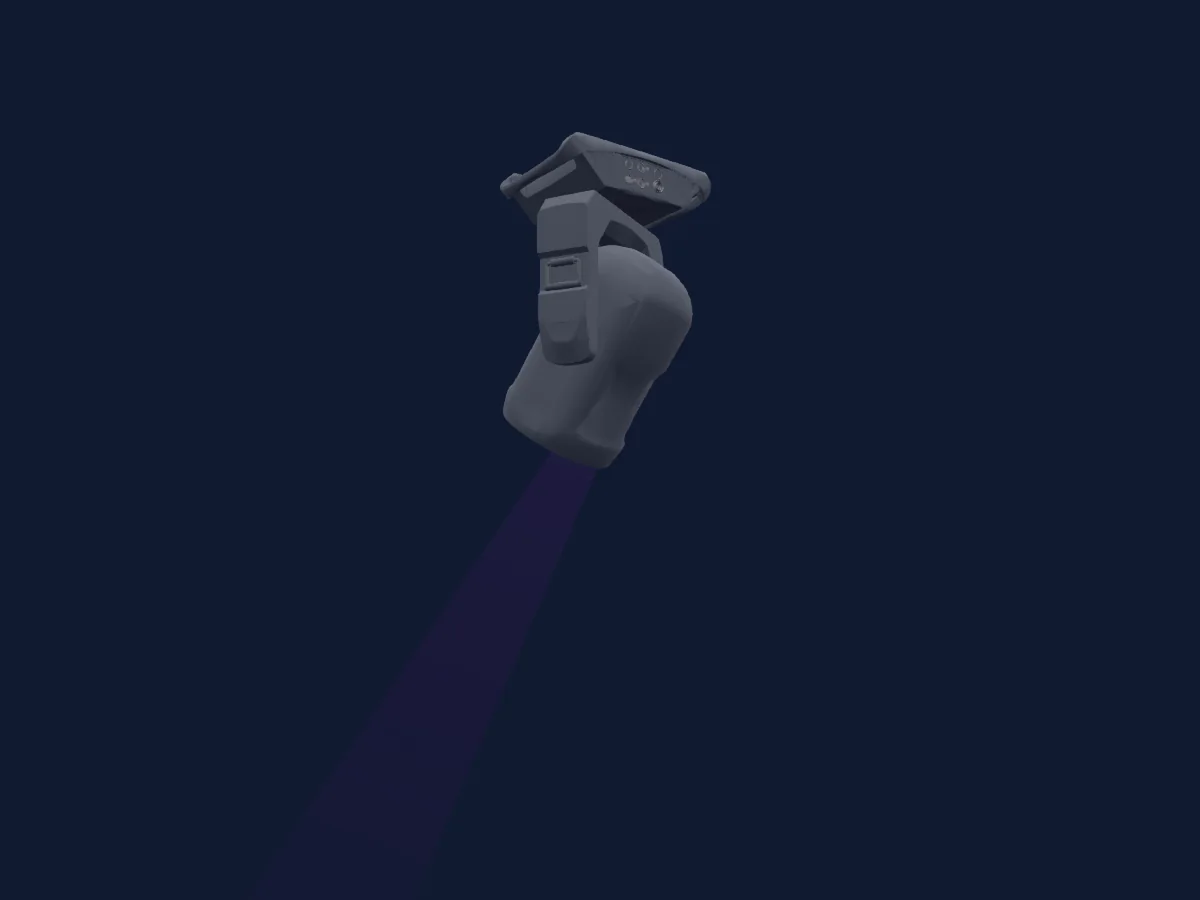
Tabela DMX, 1 modo DMX e prévia em 3D. 39 canais DMX.
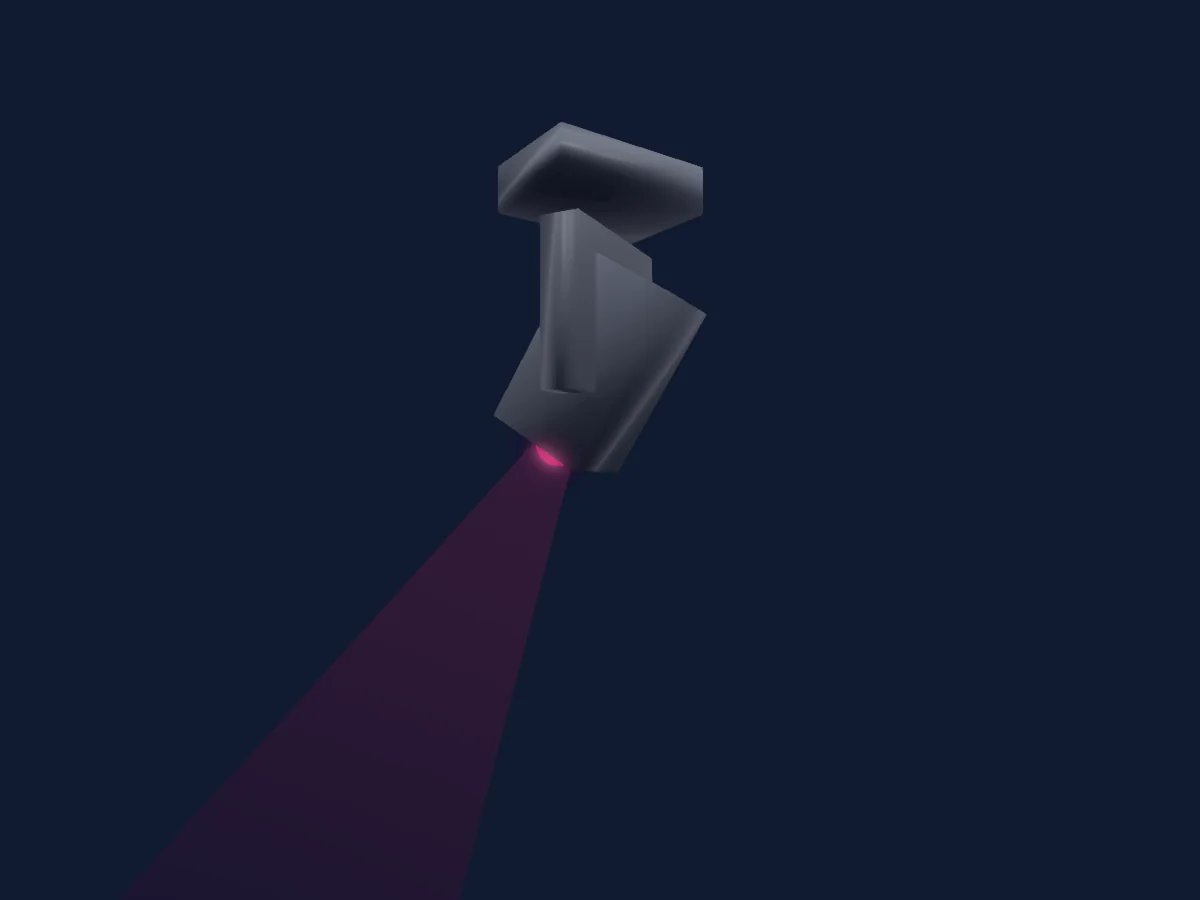
High End Systems Hyperstar Standard renderizado no HitLight

O que ele faz

  • Ventilador
  • Frost
  • Prisma
  • Mistura de cores CMY
  • Temperatura de cor
  • Roda de cores
  • Strobo
  • Dimmer
  • Roda de animação
  • Gobos

Funções relevantes para a segurança: Saída de névoa ou fumaça · Reset do refletor · Funções de manutenção · Strobo. Confira como elas se comportam no seu refletor antes de um show.

Modos DMX e tabelas de canais

Modos DMX de High End Systems Hyperstar Standard
ModoCanaisNo HitLight
Standard39Pronto no HitLight

Standard

Pronto no HitLight

39 canais DMX · Baixar esta tabela em CSV

Tabela de canais DMX de Standard
CanalFunçãoPadrãoValores DMX
1Pan127
3 faixas de valores
  • 0–126 Min
  • 127–254 Home
  • 255–255 Max
2Pan Fine255Byte fino de Pan
3Tilt127
3 faixas de valores
  • 0–126 Min
  • 127–254 Home
  • 255–255 Max
4Tilt Fine255Byte fino de Tilt
5Color Mix Mode0
12 faixas de valores
  • 0–31 Pure Mix
  • 32–47 Cycle
  • 48–63 Random
  • 64–79 Pure Mix Fast
  • 80–95 Cycle Fast
  • 96–127 Random Fast
  • 128–159 Pure Mix
  • 160–175 Cycle
  • 176–191 Random
  • 192–207 Pure Mix Fast
  • 208–223 Cycle Fast
  • 224–255 Random Fast
6Cyan255
2 faixas de valores
  • 0–254 Open
  • 255–255 Full Saturation
7Magenta255
2 faixas de valores
  • 0–254 Open
  • 255–255 Full Saturation
8Yellow255
2 faixas de valores
  • 0–254 Open
  • 255–255 Full Saturation
9C TO255
2 faixas de valores
  • 0–254 Open
  • 255–255 Full Saturation
10Color Wheel1Mode0
12 faixas de valores
  • 0–15 Indexed
  • 16–31 Forward Spin
  • 32–47 Reverse Spin
  • 48–63 Continuous
  • 64–79 Scan
  • 80–127 Random
  • 128–143 Indexed
  • 144–159 Forward Spin
  • 160–175 Reverse Spin
  • 176–191 Continuous
  • 192–207 Scan
  • 208–255 Random
11Color Wheel10
25 faixas de valores
  • 0–3 Open (wheel slot 1)
  • 4–10 Slow
  • 11–21 Open/Red
  • 22–32 Red (wheel slot 2)
  • 33–43 Red/Blue
  • 44–54 Blue (wheel slot 3)
  • 55–65 Blue/Green
  • 66–76 Green (wheel slot 4)
  • 77–87 Green/Yellow
  • 88–98 Yellow (wheel slot 5)
  • 99–109 Yellow/Purple
  • 110–120 Purple (wheel slot 6)
  • 121–131 Purple/TM-30
  • 132–142 TM-30 (wheel slot 7)
  • 143–153 TM-30/Lavender
  • 154–164 Lavender (wheel slot 8)
  • 165–175 Lavender/Half CTO
  • 176–186 Half CTO (wheel slot 9)
  • 187–197 Half CTO/Full CTO
  • 198–208 Full CTO (wheel slot 10)
  • 209–219 Full CTO/Dark Blue
  • 220–230 Dark Blue (wheel slot 11)
  • 231–241 Dark Blue/Open
  • 242–254 Open (wheel slot 1)
  • 255–255 Fast
12Gobo Wheel1Mode0
10 faixas de valores
  • 0–15 Indexed
  • 16–31 Forward Spin
  • 32–47 Reverse Spin
  • 48–63 Scan
  • 64–127 Random
  • 128–143 Indexed
  • 144–159 Forward Spin
  • 160–175 Reverse Spin
  • 176–191 Scan
  • 192–255 Random
13Gobo Wheel10
13 faixas de valores
  • 0–3 Open (wheel slot 1)
  • 4–15 Slow
  • 16–31 Bar (wheel slot 2)
  • 32–47 Starvolver (wheel slot 3)
  • 48–63 Fracked (wheel slot 4)
  • 64–79 Broken Tunnel (wheel slot 5)
  • 80–95 Seashell (wheel slot 6)
  • 96–111 Glacial (wheel slot 7)
  • 112–127 Shower (wheel slot 8)
  • 128–143 Ice (wheel slot 9)
  • 144–159 Branch Out (wheel slot 10)
  • 160–254 Open (wheel slot 1)
  • 255–255 Fast
14Gobo1Mode0
5 faixas de valores
  • 0–15 Continuous
  • 16–31 Forward Spin
  • 32–47 Reverse Spin
  • 48–63 Forward Animate
  • 64–255 Reverse Animate
15Gobo0
4 faixas de valores
  • 0–3 0
  • 4–126 Slow
  • 127–254 180
  • 255–255 359
16Gobo Fine0Byte fino de Gobo
17Gobo Wheel2Mode0
10 faixas de valores
  • 0–15 Indexed
  • 16–31 Forward Spin
  • 32–47 Reverse Spin
  • 48–63 Scan
  • 64–127 Random
  • 128–143 Indexed
  • 144–159 Forward Spin
  • 160–175 Reverse Spin
  • 176–191 Scan
  • 192–255 Random
18Gobo Wheel20
25 faixas de valores
  • 0–3 Open (wheel slot 1)
  • 4–19 Slow
  • 20–21 Shattered (wheel slot 2)
  • 22–39 Shattered/MiscSpots
  • 40–43 MiscSpots (wheel slot 3)
  • 44–59 MiscSpots/Light Organic
  • 60–65 Light Organic (wheel slot 4)
  • 66–79 Light Organic/Thatch
  • 80–87 Thatch (wheel slot 5)
  • 88–99 Thatch/Across
  • 100–109 Across (wheel slot 6)
  • 110–119 Across/Triangles
  • 120–131 Triangles (wheel slot 7)
  • 132–139 Triangles/Daisey
  • 140–153 Daisey (wheel slot 8)
  • 154–159 Daisey/Small Aperture
  • 160–175 Small Aperture (wheel slot 9)
  • 176–179 Small Aperture/25% Aperture
  • 180–197 25% Aperture (wheel slot 10)
  • 198–199 25% Aperture/50% Aperture
  • 200–219 50% Aperture (wheel slot 11)
  • 220–239 75% Aperture (wheel slot 12)
  • 240–241 Open (wheel slot 1)
  • 242–254 75% Aperture/Open
  • 255–255 Fast
19Animation Insertion0
2 faixas de valores
  • 0–254 Removed
  • 255–255 Inserted
20Animation Wheel10
12 faixas de valores
  • 0–0 Stop
  • 1–62 Slow
  • 63–63 Fast
  • 64–64 Stop
  • 65–126 Slow
  • 127–127 Fast
  • 128–128 Stop
  • 129–190 Slow
  • 191–191 Fast
  • 192–192 Stop
  • 193–254 Slow
  • 255–255 Fast
21Prism1Mode0
6 faixas de valores
  • 0–15 Removed
  • 16–31 Continuous
  • 32–47 Forward Spin
  • 48–63 Reverse Spin
  • 64–79 Forward Animate
  • 80–255 Reverse Animate
22Prism127
4 faixas de valores
  • 0–3 0
  • 4–126 Slow
  • 127–254 180
  • 255–255 359
23Prism Fine255Byte fino de Prism
24Prism2Mode0
6 faixas de valores
  • 0–15 Removed
  • 16–31 Continuous
  • 32–47 Forward Spin
  • 48–63 Reverse Spin
  • 64–79 Forward Animate
  • 80–255 Reverse Animate
25Prism127
4 faixas de valores
  • 0–3 0
  • 4–126 Slow
  • 127–254 180
  • 255–255 359
26Prism Fine255Byte fino de Prism
27Frost10
2 faixas de valores
  • 0–254 Removed
  • 255–255 Soft Edge
28Frost20
2 faixas de valores
  • 0–254 Removed
  • 255–255 Soft Edge
29Focus127
3 faixas de valores
  • 0–126 Min
  • 127–254 Home
  • 255–255 Max
30Focus Fine255Byte fino de Focus
31Zoom127
3 faixas de valores
  • 0–126 Min
  • 127–254 Home
  • 255–255 Max
32Zoom Fine255Byte fino de Zoom
33Strobe1Mode0
3 faixas de valores
  • 0–31 Normal
  • 32–63 Random
  • 64–255 Synchronous Random
34Strobe1255
4 faixas de valores
  • 0–23 Closed
  • 24–228 Slow
  • 229–254 Fast
  • 255–255 Open
35Dimmer0
3 faixas de valores
  • 0–126 Off
  • 127–254 50%
  • 255–255 Full
36Dimmer Fine0Byte fino de Dimmer
37Global MSpeed0
3 faixas de valores
  • 0–3 Disabled
  • 4–254 Longest
  • 255–255 Shortest
38Control10
9 faixas de valores
  • 0–15 Idle
  • 16–31 Pan and Tilt mSpeed Off
  • 32–47 Display Off (Hold 3)
  • 48–79 Display On (Hold 3)
  • 80–95 Home all (Hold 3)
  • 96–111 Shutdown (Hold 9)
  • 112–127 Disable Pan Tilt Motors (Hold 3)
  • 128–143 Dimming Mode - 2:4KHz (Hold 3)
  • 144–255 Dimming Mode - 16KHz (Hold 3)
39Fan0
5 faixas de valores
  • 0–15 Idle
  • 16–206 Slow
  • 207–207 Fast
  • 208–223 Auto
  • 224–255 Studio

Usar High End Systems Hyperstar Standard no HitLight

  1. Abra Adicionar refletor e procure High End Systems Hyperstar Standard.
  2. Escolha o modo DMX configurado no menu do próprio refletor. O HitLight atribui a ele o menor endereço inicial livre do universo que comporta a quantidade de canais do modo.
  3. Confira o modo e os controles no seu refletor real antes de usar ao vivo.

As tabelas vêm da descrição GDTF do refletor, convertida para a biblioteca do HitLight. O HitLight não tem vínculo com a High End Systems.

Faça o patch e deixe a música comandar as luzes.

O HitLight encontra esses refletores na biblioteca, faz o patch no próximo endereço livre e mostra seu rig em 3D antes de você ligar uma única luz.

Abrir HitLight ↗Baixar o HitLight