Pular para o conteúdo
HitLight
Martin Professional · Moving head

Martin Professional ELP PAR IP

Tabela DMX, 2 modos DMX e prévia em 3D. 9 / 14 canais DMX.
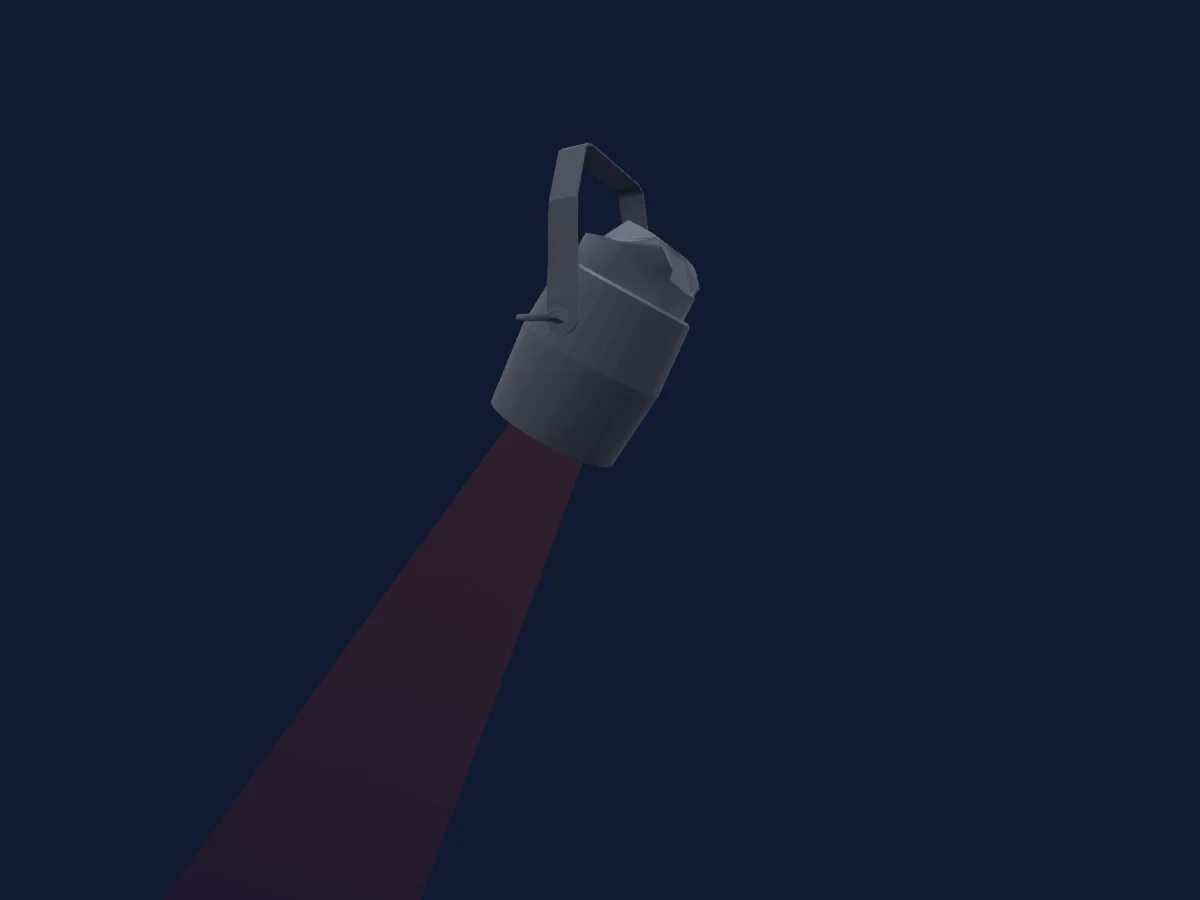
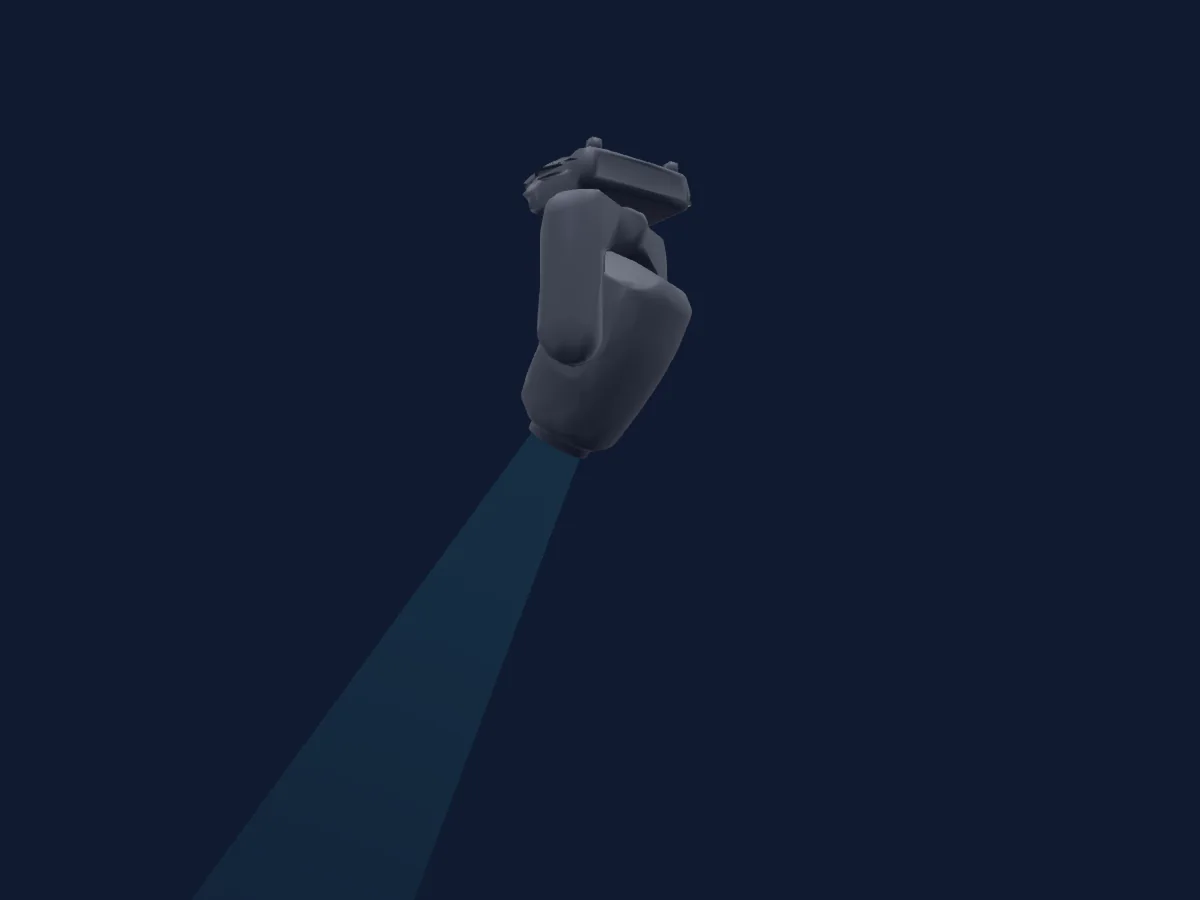
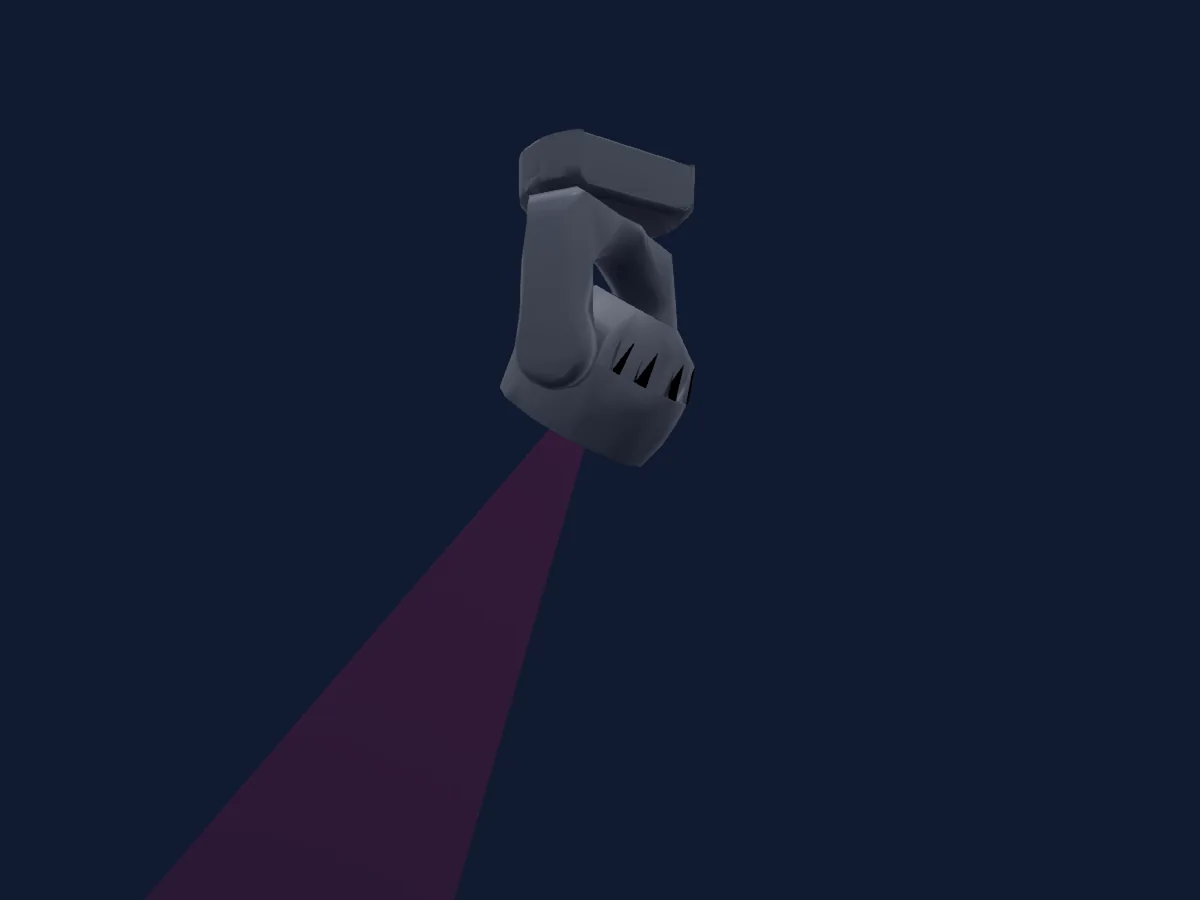
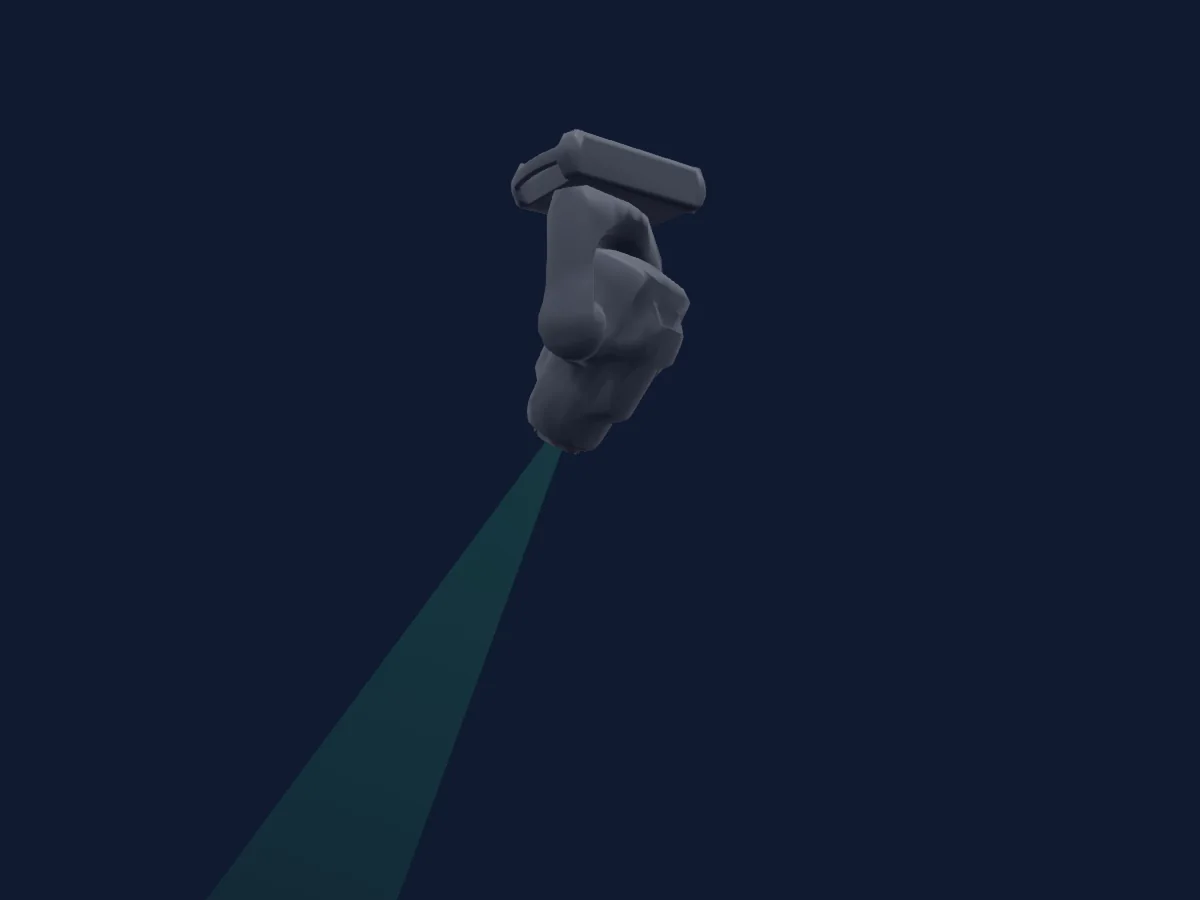
Martin Professional ELP PAR IP renderizado no HitLight

O que ele faz

  • Zoom
  • Mistura de cores RGB
  • Temperatura de cor
  • Roda de cores
  • Strobo
  • Dimmer

Funções relevantes para a segurança: Reset do refletor · Funções de manutenção. Confira como elas se comportam no seu refletor antes de um show.

Modos DMX e tabelas de canais

Modos DMX de Martin Professional ELP PAR IP
ModoCanaisNo HitLight
Compact9Pronto no HitLight
Basic14Pronto no HitLight

Compact

Pronto no HitLight

9 canais DMX · Baixar esta tabela em CSV

Tabela de canais DMX de Compact
CanalFunçãoPadrãoValores DMX
1Shutter / Strobe30
9 faixas de valores
  • 0–19 Closed
  • 20–49 Open
  • 50–124 Strobe · Slow 1–10.4 Hz
  • 125–199 Strobe · Medium 10.5–19.9 Hz
  • 200–200 Strobe · Fast 20 Hz
  • 201–210 Open
  • 211–232 Strobe Random · Slow 1–10.1 Hz
  • 233–254 Strobe Random · Medium 10.5–19.6 Hz
  • 255–255 Strobe Random · Fast 20 Hz
2Dimmer0
5 faixas de valores
  • 0–63 Closed
  • 64–127 25%
  • 128–191 50%
  • 192–254 75%
  • 255–255 Open
3Dimmer Fine0Byte fino de Dimmer
4Red255
5 faixas de valores
  • 0–63 Min
  • 64–127 25%
  • 128–191 50%
  • 192–254 75%
  • 255–255 Max
5Green255
5 faixas de valores
  • 0–63 Min
  • 64–127 25%
  • 128–191 50%
  • 192–254 75%
  • 255–255 Max
6Blue255
5 faixas de valores
  • 0–63 Min
  • 64–127 25%
  • 128–191 50%
  • 192–254 75%
  • 255–255 Max
7C TC1280–255
8Zoom128
3 faixas de valores
  • 0–127 Narrow
  • 128–254 Medium
  • 255–255 Wide
9Zoom Fine0Byte fino de Zoom

Basic

Pronto no HitLight

14 canais DMX · Baixar esta tabela em CSV

Tabela de canais DMX de Basic
CanalFunçãoPadrãoValores DMX
1Shutter / Strobe30
9 faixas de valores
  • 0–19 Closed
  • 20–49 Open
  • 50–124 Strobe · Slow 1–10.4 Hz
  • 125–199 Strobe · Medium 10.5–19.9 Hz
  • 200–200 Strobe · Fast 20 Hz
  • 201–210 Open
  • 211–232 Strobe Random · Slow 1–10.1 Hz
  • 233–254 Strobe Random · Medium 10.5–19.6 Hz
  • 255–255 Strobe Random · Fast 20 Hz
2Dimmer0
5 faixas de valores
  • 0–63 Closed
  • 64–127 25%
  • 128–191 50%
  • 192–254 75%
  • 255–255 Open
3Dimmer Fine0Byte fino de Dimmer
4Red255
5 faixas de valores
  • 0–63 Min
  • 64–127 25%
  • 128–191 50%
  • 192–254 75%
  • 255–255 Max
5Red Fine255Byte fino de Red
6Green255
5 faixas de valores
  • 0–63 Min
  • 64–127 25%
  • 128–191 50%
  • 192–254 75%
  • 255–255 Max
7Green Fine255Byte fino de Green
8Blue255
5 faixas de valores
  • 0–63 Min
  • 64–127 25%
  • 128–191 50%
  • 192–254 75%
  • 255–255 Max
9Blue Fine255Byte fino de Blue
10C TC1280–255
11Color Wheel0
60 faixas de valores
  • 0–10 Open (wheel slot 1)
  • 11–12 Moroccan Pink (wheel slot 2)
  • 13–14 Pink (wheel slot 3)
  • 15–16 Special Rose Pink (wheel slot 4)
  • 17–18 Follies Pink (wheel slot 5)
  • 19–20 Fuchsia Pink (wheel slot 6)
  • 21–22 Surprise Pink (wheel slot 7)
  • 23–24 Congo Blue (wheel slot 8)
  • 25–26 Tokyo Blue (wheel slot 9)
  • 27–28 Deep Blue (wheel slot 10)
  • 29–30 Just Blue (wheel slot 11)
  • 31–32 Medium Blue (wheel slot 12)
  • 33–34 Double CT Blue (wheel slot 13)
  • 35–36 Slate Blue (wheel slot 14)
  • 37–38 Full CT Blue (wheel slot 15)
  • 39–40 Half CT Blue (wheel slot 16)
  • 41–42 Steel Blue (wheel slot 17)
  • 43–44 Lighter Blue (wheel slot 18)
  • 45–46 Light Blue (wheel slot 19)
  • 47–48 Medium Blue Green (wheel slot 20)
  • 49–50 Dark Green (wheel slot 21)
  • 51–52 Primary Green (wheel slot 22)
  • 53–54 Moss Green (wheel slot 23)
  • 55–56 Fern Green (wheel slot 24)
  • 57–58 Jas Green (wheel slot 25)
  • 59–60 Lime Green (wheel slot 26)
  • 61–62 Spring Yellow (wheel slot 27)
  • 63–64 Deep Amber (wheel slot 28)
  • 65–66 Chrome Orange (wheel slot 29)
  • 67–68 Orange (wheel slot 30)
  • 69–70 Gold Amber (wheel slot 31)
  • 71–72 Millennium Gold (wheel slot 32)
  • 73–74 Deep Golden Amber (wheel slot 33)
  • 75–76 Flame Red (wheel slot 34)
  • 77–78 Red Magenta (wheel slot 35)
  • 79–80 Medium Lavender (wheel slot 36)
  • 81–82 Pure White (wheel slot 37)
  • 83–84 Pure Red (wheel slot 38)
  • 85–86 Pure Yellow (wheel slot 39)
  • 87–88 Pure Green (wheel slot 40)
  • 89–90 Pure Cyan (wheel slot 41)
  • 91–92 Pure Blue (wheel slot 42)
  • 93–94 Pure Magenta (wheel slot 43)
  • 95–96 Peacock Blue (wheel slot 44)
  • 97–98 Dark Lavender (wheel slot 45)
  • 99–100 Double CT Orange (wheel slot 46)
  • 101–102 Full CT Orange (wheel slot 47)
  • 103–104 Half CT Orange (wheel slot 48)
  • 105–106 Deep Straw (wheel slot 49)
  • 107–190 NoFeature
  • 191–202 CW Max
  • 203–213 CW Med
  • 214–214 CW Min
  • 215–219 Stop
  • 220–230 CCW Min
  • 231–242 CCW Med
  • 243–243 CCW Max
  • 244–248 Fast
  • 249–254 Medium
  • 255–255 Slow
12Zoom128
3 faixas de valores
  • 0–127 Narrow
  • 128–254 Medium
  • 255–255 Wide
13Zoom Fine0Byte fino de Zoom
14Control10
37 faixas de valores
  • 0–9 Idle
  • 10–14 Reset Entire Fixture (5s)
  • 15–16 No Function 1
  • 17–17 Reset Beam Only (5s)
  • 18–22 No Function 2
  • 23–23 Linear (1s)
  • 24–24 Square (1s)
  • 25–25 Inverse Square (1s)
  • 26–26 S-Curve (1s)
  • 27–30 No Function 3
  • 31–31 Fast (1s)
  • 32–32 Smooth (1s)
  • 33–37 No Function 4
  • 38–38 Extended Color Mode (1s)
  • 39–39 Calibrated Color Mode (1s)
  • 40–40 Raw Color Mode (1s)
  • 41–51 No Function 5
  • 52–52 Control Panel Display ON (1s)
  • 53–53 Control Panel Display OFF (1s)
  • 54–54 Regulated Fan Speed (1s)
  • 55–55 Full Fan Speed (1s)
  • 56–56 Theater Mode (1s)
  • 57–60 No Function 6
  • 61–61 Hibernation ON (5s)
  • 62–62 Hibernation OFF (5s)
  • 63–71 No Function 7
  • 72–72 Tungsten Emulation ON (1s)
  • 73–73 Tungsten Emulation OFF (1s)
  • 74–74 Scenecatch Record (5s)
  • 75–75 Scenecatch ON (5s)
  • 76–76 Scenecatch OFF (5s)
  • 77–99 No Function 8
  • 100–101 Enable Calibration (5s)
  • 102–113 Store Dimmer Calibration (5s)
  • 114–198 Store Zoom Calibration (5s)
  • 199–199 Reset All Calibration To Factory Default (5s)
  • 200–255 No Function 9

Usar Martin Professional ELP PAR IP no HitLight

  1. Abra Adicionar refletor e procure Martin Professional ELP PAR IP.
  2. Escolha o modo DMX configurado no menu do próprio refletor. O HitLight atribui a ele o menor endereço inicial livre do universo que comporta a quantidade de canais do modo.
  3. Confira o modo e os controles no seu refletor real antes de usar ao vivo.

As tabelas vêm da descrição GDTF do refletor, convertida para a biblioteca do HitLight. O HitLight não tem vínculo com a Martin Professional.

Faça o patch e deixe a música comandar as luzes.

O HitLight encontra esses refletores na biblioteca, faz o patch no próximo endereço livre e mostra seu rig em 3D antes de você ligar uma única luz.

Abrir HitLight ↗Baixar o HitLight