Pular para o conteúdo
HitLight
Prolights · Moving head

Prolights Stark400

Tabela DMX, 1 modo DMX e prévia em 3D. 26 canais DMX.
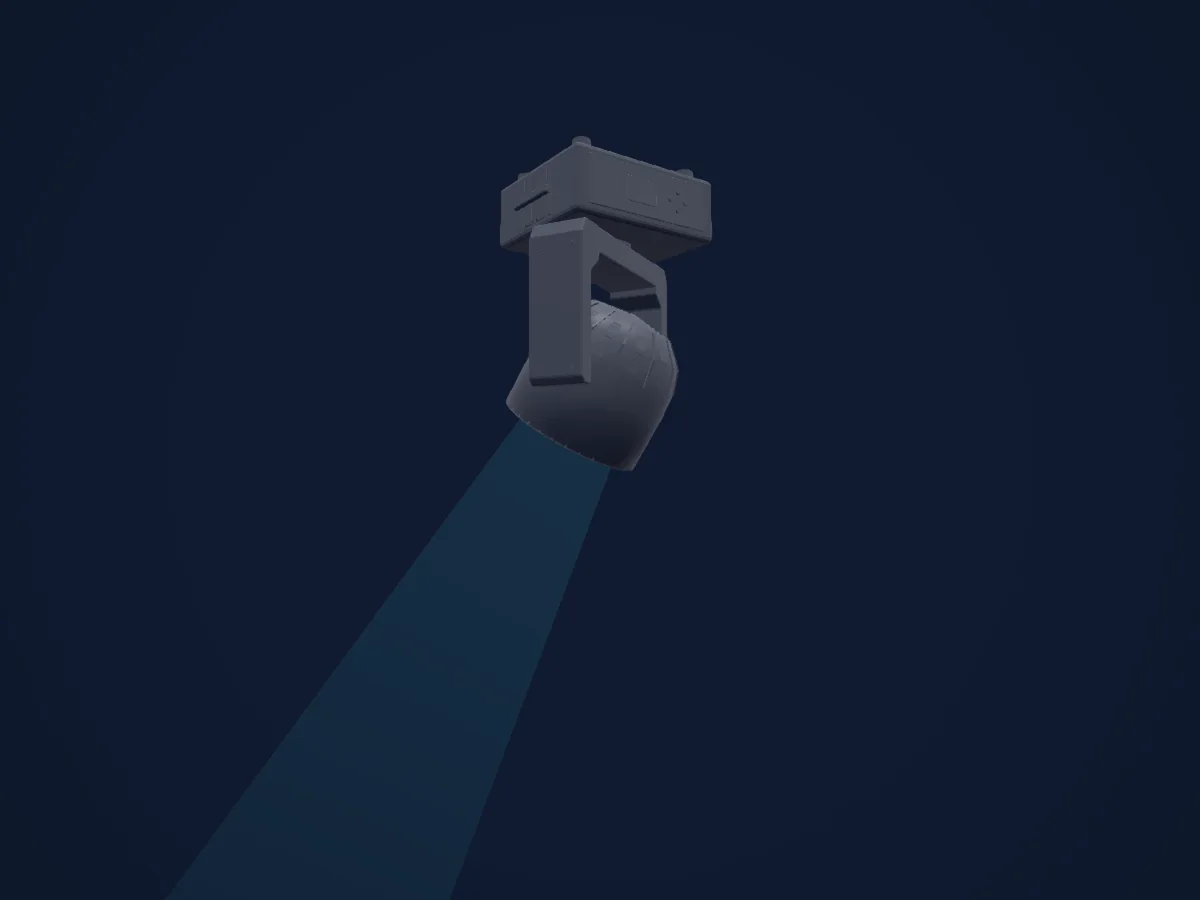
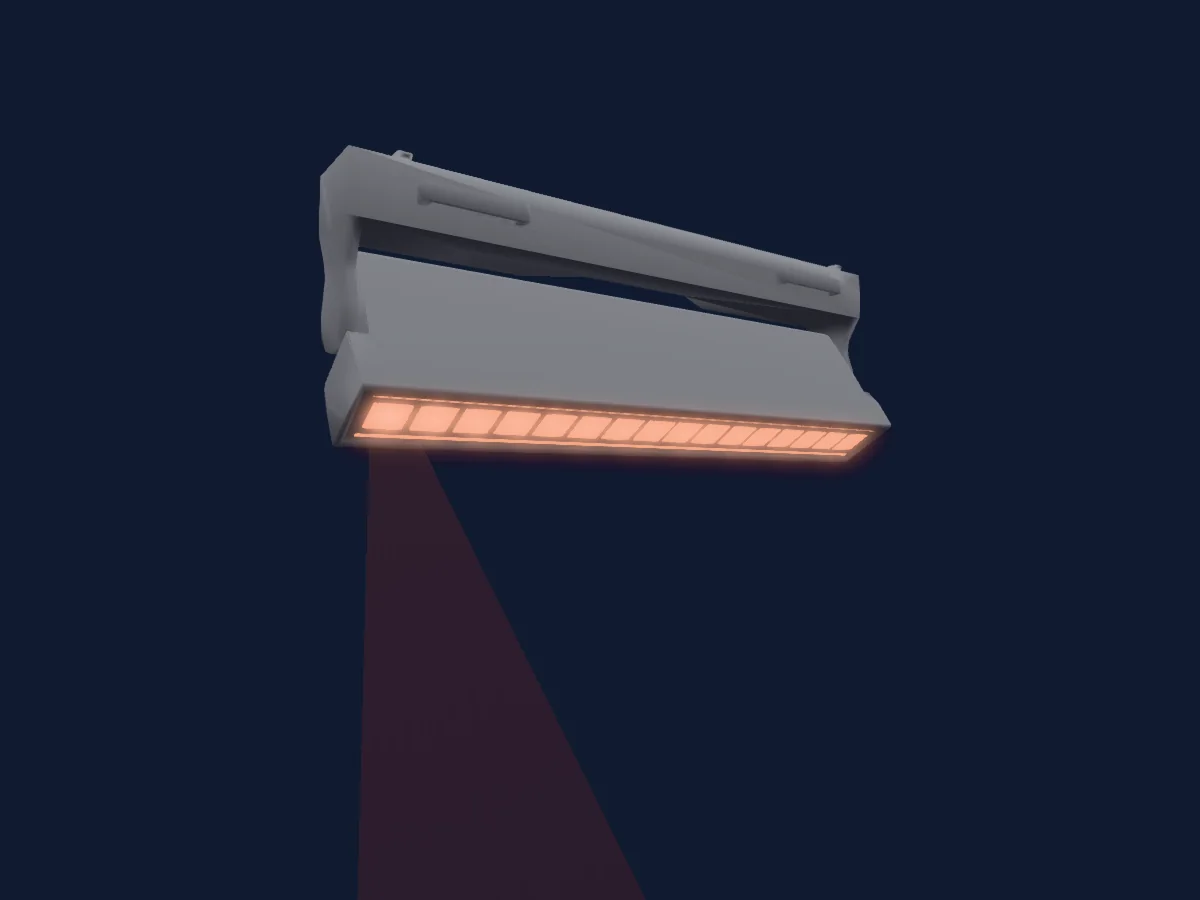
Prolights Stark400 renderizado no HitLight

O que ele faz

  • Zoom
  • Cores de LED adicionais
  • Mistura de cores RGB
  • Roda de cores
  • Strobo
  • Dimmer
  • Pan e tilt

Funções relevantes para a segurança: Reset do refletor · Funções de manutenção · Programas de efeitos integrados. Confira como elas se comportam no seu refletor antes de um show.

Modos DMX e tabelas de canais

Modos DMX de Prolights Stark400
ModoCanaisNo HitLight
PixFx26Pronto no HitLight

PixFx

Pronto no HitLight

26 canais DMX · Baixar esta tabela em CSV

Tabela de canais DMX de PixFx
CanalFunçãoPadrãoValores DMX
1Pan1280–255
2Pan Fine0Byte fino de Pan
3Tilt1280–255
4Tilt Fine0Byte fino de Tilt
5Position Modes0
4 faixas de valores
  • 0–0 Fast Movement
  • 1–249 Fast -> Slow
  • 250–250 Slow
  • 251–255 Mov In Black
6Shutter / Strobe255
11 faixas de valores
  • 0–10 Closed
  • 11–11 Strobe Slow
  • 12–81 Strobe Slow2Fast
  • 82–82 Strobe Fast
  • 83–93 Main Open
  • 94–163 Pulse Effects
  • 164–174 Open
  • 175–175 Random Strobe Slow
  • 176–243 Random Strobe Slow2Fast
  • 244–244 Random Strobe Fast
  • 245–255 Open
7Dimmer0
2 faixas de valores
  • 0–254 Closed
  • 255–255 Open
8Dimmer Mode0
2 faixas de valores
  • 0–254 Dimmer Fade min
  • 255–255 Dimmer Fade max
9Color Macro10
6 faixas de valores
  • 0–15 Normal Function
  • 16–31 CTC
  • 32–47 CW Spin
  • 48–63 CCW Spin
  • 64–79 Continuous
  • 80–255 NoFeature
10Color Macro20
23 faixas de valores
  • 0–0 2000K -> 2700K
  • 1–13 CW Rainbow Slow2Fast
  • 14–27 Green
  • 28–41 Blue
  • 42–55 White
  • 56–69 2700K -> 3200K
  • 70–83 Pastel Green
  • 84–95 Pastel Blue
  • 96–97 3200K -> 4200K
  • 98–111 Cyan
  • 112–125 Magenta
  • 126–135 Yellow
  • 136–139 4200K -> 5600K
  • 140–153 Light Yellow
  • 154–167 Light Blue
  • 168–175 Light Magenta
  • 176–181 5600K -> 8000K
  • 182–195 Full White
  • 196–215 Full White -> 3200K
  • 216–225 8000K -> 10000K
  • 226–235 3200K -> 4200K
  • 236–254 4200K -> 5600K
  • 255–255 CW Rainbow Fast
11Color Macro30
18 faixas de valores
  • 0–0 NoFeature
  • 1–13 Red
  • 14–27 Green
  • 28–41 Blue
  • 42–55 White
  • 56–69 Pastel Red
  • 70–83 Pastel Green
  • 84–97 Pastel Blue
  • 98–111 Cyan
  • 112–125 Magenta
  • 126–139 Yellow
  • 140–153 Light Yellow
  • 154–167 Light Blue
  • 168–181 Light Magenta
  • 182–195 Full White
  • 196–225 Full White -> 3200K
  • 226–235 3200K -> 4200K
  • 236–255 4200K -> 5600K
12Zoom1280–255
13Effect0
24 faixas de valores
  • 0–15 NoFeature
  • 16–31 Static Mode
  • 32–49 Pattern_1
  • 50–58 Pattern_2
  • 59–67 Pattern_3
  • 68–76 Pattern_4
  • 77–85 Pattern_5
  • 86–94 Pattern_6
  • 95–103 Pattern_7
  • 104–112 Pattern_8
  • 113–121 Pattern_9
  • 122–130 Pattern_10
  • 131–139 Pattern_11
  • 140–148 Pattern_12
  • 149–157 Pattern_13
  • 158–166 Pattern_14
  • 167–175 Pattern_15
  • 176–184 Pattern_16
  • 185–193 Pattern_17
  • 194–202 Pattern_18
  • 203–211 Pattern_19
  • 212–220 Pattern_20
  • 221–229 Pattern_21
  • 230–255 Random Pattern
14Effects1Adjust10
8 faixas de valores
  • 0–37 Effects
  • 38–38 CW Effect Slow
  • 39–143 CW Effect Slow2Fast
  • 144–144 CW Effect Fast
  • 145–148 Stop
  • 149–149 CCW Effect Slow
  • 150–254 CCW Effect Slow2Fast
  • 255–255 CCW Effect Fast
15Effects1Adjust20
2 faixas de valores
  • 0–254 Transition min
  • 255–255 Transition max
16Color Macro10
18 faixas de valores
  • 0–3 NoFeature
  • 4–13 Red
  • 14–27 Green
  • 28–41 Blue
  • 42–55 White
  • 56–69 Pastel Red
  • 70–83 Pastel Green
  • 84–97 Pastel Blue
  • 98–111 Cyan
  • 112–125 Magenta
  • 126–139 Yellow
  • 140–153 Light Yellow
  • 154–167 Light Blue
  • 168–181 Light Magenta
  • 182–195 Full White
  • 196–225 Full White -> 3200K
  • 226–235 3200K -> 4200K
  • 236–255 4200K -> 5600K
17Dimmer0
2 faixas de valores
  • 0–254 Closed
  • 255–255 Open
18Shutter / Strobe255
9 faixas de valores
  • 0–10 Closed
  • 11–11 Strobe Slow
  • 12–162 Strobe Slow2Fast
  • 163–163 Strobe Fast
  • 164–174 Open
  • 175–175 Random Strobe Slow
  • 176–243 Random Strobe Slow2Fast
  • 244–244 Random Strobe Fast
  • 245–255 Open
19Reserved 1900–255
20Reserved 2000–255
21Reserved 2100–255
22Control10
10 faixas de valores
  • 0–7 NoFeature
  • 8–15 Reset All
  • 16–23 TiltReset
  • 24–47 NoFeature 1
  • 48–55 Other Reset
  • 56–63 Display OFF
  • 64–71 Display ON
  • 72–87 NoFeature 2
  • 88–95 Hibernation
  • 96–255 NoFeature 3
23Red255
2 faixas de valores
  • 0–254 Closed
  • 255–255 Open
24Green2550–255
25Blue2550–255
26White2550–255

Usar Prolights Stark400 no HitLight

  1. Abra Adicionar refletor e procure Prolights Stark400.
  2. Escolha o modo DMX configurado no menu do próprio refletor. O HitLight atribui a ele o menor endereço inicial livre do universo que comporta a quantidade de canais do modo.
  3. Confira o modo e os controles no seu refletor real antes de usar ao vivo.

Espaços com Prolights Stark400

As suas montagens guardadas incluem este modelo de aparelho. Confirme o equipamento atual com o espaço.

As tabelas vêm da descrição GDTF do refletor, convertida para a biblioteca do HitLight. O HitLight não tem vínculo com a Prolights.

Fixture model: gdtf-prolights-stark400-93692
Original approximate HitLight artwork from local primitives. Manufacturer references private; no OEM mesh/photos/textures/logos embedded. Source GDTF and reference documents gain no redistribution permission.
Creator: HitLight

Faça o patch e deixe a música comandar as luzes.

O HitLight encontra esses refletores na biblioteca, faz o patch no próximo endereço livre e mostra seu rig em 3D antes de você ligar uma única luz.

Abrir HitLight ↗Baixar o HitLight