Zum Inhalt springen
HitLight
Clay Paky · Profilscheinwerfer

Clay Paky Axcor Spot 300

DMX-Tabelle, 1 DMX-Modus und eine 3D-Vorschau. 23 DMX-Kanäle.
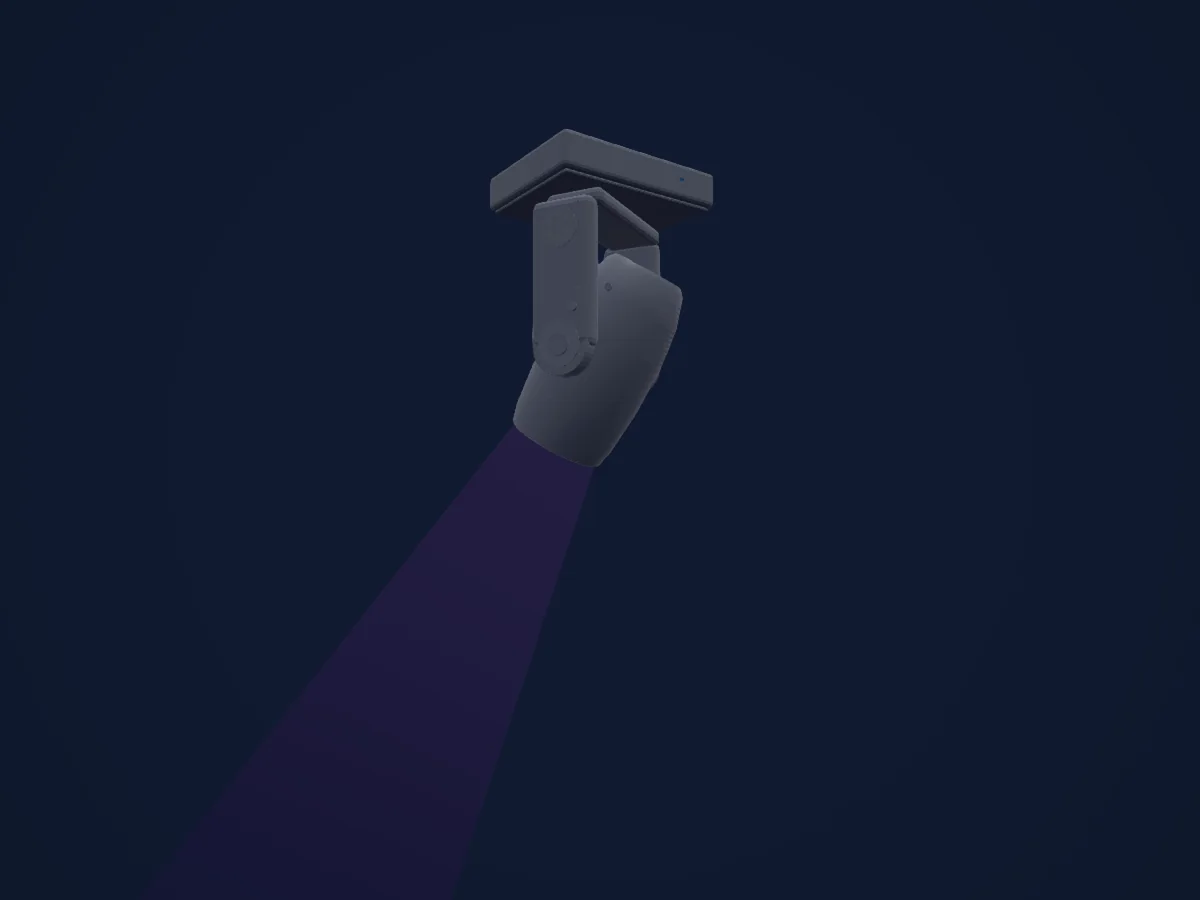
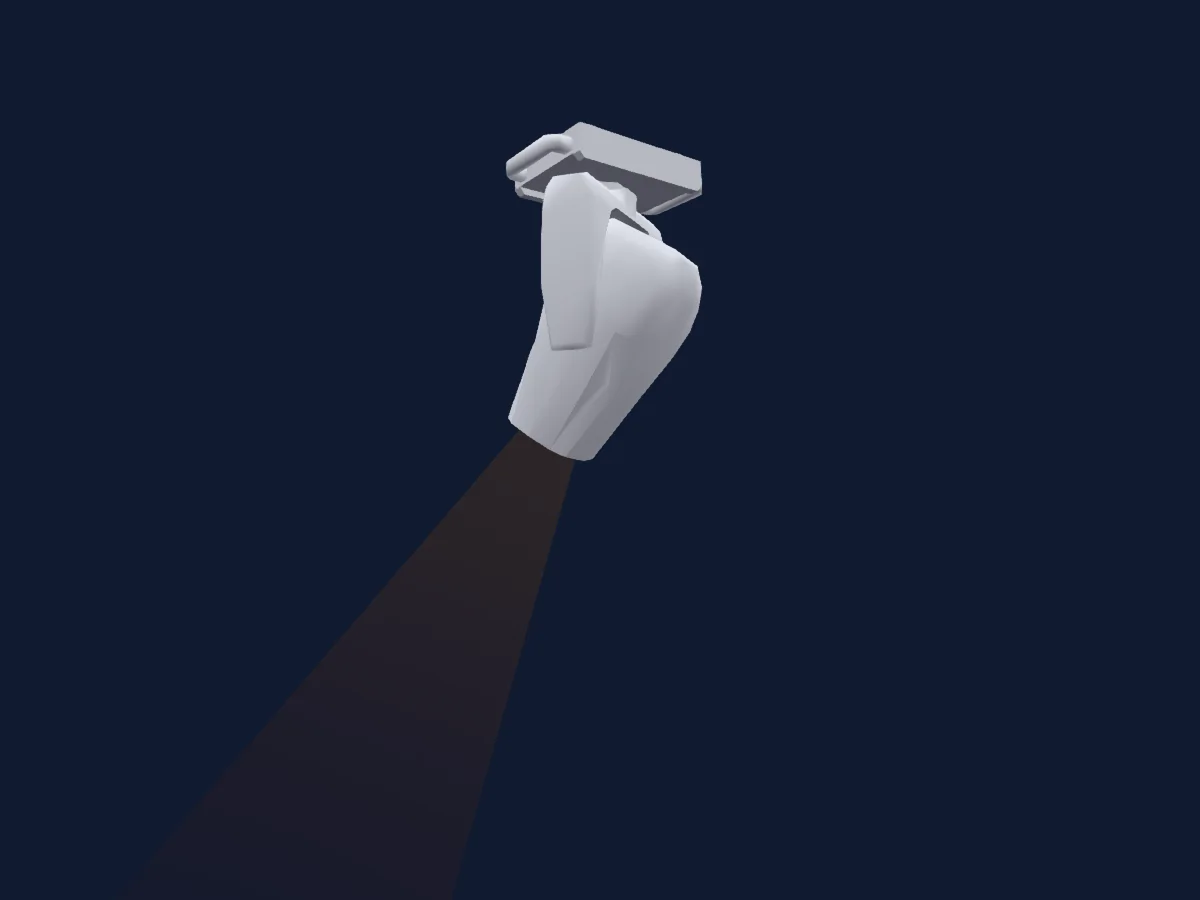
Clay Paky Axcor Spot 300, gerendert in HitLight

Was er kann

  • Fokus
  • Frost
  • Iris
  • Prisma
  • Prismenrotation
  • Zoom
  • CMY-Farbmischung
  • Farbrad
  • Strobe
  • Dimmer
  • Pan und Tilt
  • Gobos
  • Gobo-Rotation

Sicherheitsrelevante Funktionen: Scheinwerfer-Reset · Servicefunktionen. Prüfe vor einer Show, wie sie sich an deinem eigenen Scheinwerfer verhalten.

DMX-Modi und Kanaltabellen

DMX-Modi von Clay Paky Axcor Spot 300
ModusKanäleIn HitLight
Standard23Bereit in HitLight

Standard

Bereit in HitLight

23 DMX-Kanäle · Diese Tabelle als CSV herunterladen

DMX-Kanaltabelle für Standard
KanalFunktionStandardDMX-Werte
1Cyan00–255
2Magenta00–255
3Yellow00–255
4Color Wheel0
19 Wertebereiche
  • 0–9 Open (wheel slot 1)
  • 10–18 White-Red (wheel slot 1)
  • 19–27 Dark Red (wheel slot 2)
  • 28–36 Red-Blue (wheel slot 2)
  • 37–45 Brilliant Blue (wheel slot 3)
  • 46–54 Blue-Green (wheel slot 3)
  • 55–63 Green (wheel slot 4)
  • 64–72 Green-HMG (wheel slot 4)
  • 73–81 HM Green (wheel slot 5)
  • 82–90 HMG-Orange (wheel slot 5)
  • 91–99 Light Orange (wheel slot 6)
  • 100–108 Orange-Blue (wheel slot 6)
  • 109–117 Navy Blue (wheel slot 7)
  • 118–127 Blue-White (wheel slot 7)
  • 128–153 x1 Spin C1>>
  • 154–178 x2 Spin C1>>
  • 179–204 x3 Spin C1>>
  • 205–229 x4 Spin C1>>
  • 230–255 x5 Spin C1>>
5Shutter / Strobe255
19 Wertebereiche
  • 0–3 Closed
  • 4–23 Strobe · x1 Strb>> 1–5.61 Hz
  • 24–43 Strobe · x2 Strb>> 5.85–10.5 Hz
  • 44–63 Strobe · x3 Strb>> 10.7–15.3 Hz
  • 64–83 Strobe · x4 Strb>> 15.5–20.2 Hz
  • 84–103 Strobe · x5 Strb>> 20.4–25 Hz
  • 104–107 Open
  • 108–127 x1 PulseC>> 1–5.61 Hz
  • 128–147 x2 PulseC>> 5.85–10.5 Hz
  • 148–167 x3 PulseC>> 10.7–15.3 Hz
  • 168–187 x4 PulseC>> 15.5–20.2 Hz
  • 188–207 x5 PulseC>> 20.4–25 Hz
  • 208–212 Open
  • 213–220 Random · x1 RndStrb>> 1–5.42 Hz
  • 221–228 Random · x2 RndStrb>> 6.05–10.5 Hz
  • 229–235 Random · x3 RndStrb>> 11.1–14.9 Hz
  • 236–243 Random · x4 RndStrb>> 15.5–19.9 Hz
  • 244–251 Random · x5 RndStrb>> 20.6–25 Hz
  • 252–255 Open
6Dimmer0
2 Wertebereiche
  • 0–254 Closed
  • 255–255 Open
7Dimmer Fine0Feinbyte von Dimmer
8Iris131
21 Wertebereiche
  • 0–32 Iris C
  • 33–64 Iris 25%
  • 65–97 Iris 50%
  • 98–130 Iris 75%
  • 131–131 Iris O
  • 132–139 x1 PlsIris>>
  • 140–147 x2 PlsIris>>
  • 148–155 x3 PlsIris>>
  • 156–163 x4 PlsIris>>
  • 164–171 x5 PlsIris>>
  • 172–179 x1 PlsIrisC>>
  • 180–187 x2 PlsIrisC>>
  • 188–195 x3 PlsIrisC>>
  • 196–203 x4 PlsIrisC>>
  • 204–211 x5 PlsIrisC>>
  • 212–219 x1 PlsIrisO>>
  • 220–227 x2 PlsIrisO>>
  • 228–235 x3 PlsIrisO>>
  • 236–243 x4 PlsIrisO>>
  • 244–251 x5 PlsIrisO>>
  • 252–255 Iris O
9Gobo0
24 Wertebereiche
  • 0–6 Open (wheel slot 1)
  • 7–12 aS300 1-1 (wheel slot 2)
  • 13–19 aS300 1-2 (wheel slot 3)
  • 20–25 aS300 1-3 (wheel slot 4)
  • 26–32 aS300 1-4 (wheel slot 5)
  • 33–38 aS300 1-5 (wheel slot 6)
  • 39–45 aS300 1-6 (wheel slot 7)
  • 46–51 aS300 1-7 (wheel slot 8)
  • 52–58 aS300 1-8 (wheel slot 9)
  • 59–64 aS300 1-9 (wheel slot 10)
  • 65–71 aS300 1-10 (wheel slot 11)
  • 72–113 Spin G2<<
  • 114–117 Spin G2><
  • 118–159 Spin G2>>
  • 160–169 Shake 1-1>> (wheel slot 2)
  • 170–179 Shake 1-2>> (wheel slot 3)
  • 180–188 Shake 1-3>> (wheel slot 4)
  • 189–198 Shake 1-4>> (wheel slot 5)
  • 199–207 Shake 1-5>> (wheel slot 6)
  • 208–217 Shake 1-6>> (wheel slot 7)
  • 218–226 Shake 1-7>> (wheel slot 8)
  • 227–236 Shake 1-8>> (wheel slot 9)
  • 237–245 Shake 1-9>> (wheel slot 10)
  • 246–255 Shake 1-10>> (wheel slot 11)
10Gobo 20
18 Wertebereiche
  • 0–8 Open (wheel slot 1)
  • 9–17 Gobo 1 (wheel slot 2)
  • 18–26 Gobo 2 (wheel slot 3)
  • 27–35 Gobo 3 (wheel slot 4)
  • 36–44 Gobo 4 (wheel slot 5)
  • 45–53 Gobo 5 (wheel slot 6)
  • 54–62 Gobo 6 (wheel slot 7)
  • 63–71 Gobo 7 (wheel slot 8)
  • 72–113 Spin G2<<
  • 114–117 Spin G2><
  • 118–159 Spin G2>>
  • 160–173 Shake 2-1>> (wheel slot 2)
  • 174–187 Shake 2-2>> (wheel slot 3)
  • 188–200 Shake 2-3>> (wheel slot 4)
  • 201–214 Shake 2-4>> (wheel slot 5)
  • 215–227 Shake 2-5>> (wheel slot 6)
  • 228–241 Shake 2-6>> (wheel slot 7)
  • 242–255 Shake 2-7>> (wheel slot 8)
11Gobo Rotation 20
18 Wertebereiche
  • 0–20 0 deg
  • 21–41 90 deg
  • 42–62 180 deg
  • 63–84 270 deg
  • 85–105 360 deg
  • 106–126 450 deg
  • 127–127 540 deg
  • 128–139 x5 Rot G2<<
  • 140–152 x4 Rot G2<<
  • 153–164 x3 Rot G2<<
  • 165–177 x2 Rot G2<<
  • 178–190 x1 Rot G2<<
  • 191–192 Rot G2><
  • 193–204 x1 Rot G2>>
  • 205–217 x2 Rot G2>>
  • 218–229 x3 Rot G2>>
  • 230–242 x4 Rot G2>>
  • 243–255 x5 Rot G2>>
12Gobo Rotation 2 Fine0Feinbyte von Gobo Rotation 2
13Prism0
2 Wertebereiche
  • 0–127 No Prism (wheel slot 1)
  • 128–255 4 Facet Prism (wheel slot 2)
14Prism Rotation192
18 Wertebereiche
  • 0–20 0 deg
  • 21–41 90 deg
  • 42–63 180 deg
  • 64–84 270 deg
  • 85–105 360 deg
  • 106–126 450 deg
  • 127–127 540 deg
  • 128–140 x5 Rot P1<<
  • 141–152 x4 Rot P1<<
  • 153–165 x3 Rot P1<<
  • 166–177 x2 Rot P1<<
  • 178–190 x1 Rot P1<<
  • 191–192 Rot P1><
  • 193–205 x1 Rot P1>>
  • 206–217 x2 Rot P1>>
  • 218–230 x3 Rot P1>>
  • 231–242 x4 Rot P1>>
  • 243–255 x5 Rot P1>>
15Frost10
2 Wertebereiche
  • 0–127 No Frost
  • 128–255 Frost
16Focus1280–255
17Zoom128
2 Wertebereiche
  • 0–254 Narrow
  • 255–255 Wide
18Pan1280–255
19Pan Fine0Feinbyte von Pan
20Tilt1280–255
21Tilt Fine0Feinbyte von Tilt
22Fixture Global Reset0
4 Wertebereiche
  • 0–25 No Function
  • 26–76 Effect Reset
  • 77–127 Position Reset
  • 128–255 Reset
23Function0
24 Wertebereiche
  • 0–10 No Function
  • 11–20 600Hz
  • 21–30 1200Hz
  • 31–40 2000Hz
  • 41–50 4000Hz
  • 51–60 8000Hz
  • 61–70 16000Hz
  • 71–80 24000Hz
  • 81–90 Fan Auto
  • 91–95 Fan SLN
  • 96–100 Fan Theatre
  • 101–110 Fan Contest
  • 111–120 Slow Pan/Tilt
  • 121–130 Medium Pan/Tilt
  • 131–140 Fast Pan/Tilt
  • 141–150 CMY Normal
  • 151–160 CMY Fast
  • 161–170 Display OFF
  • 171–180 Display ON
  • 181–190 Curve 1
  • 191–200 Curve 2
  • 201–210 Curve 3
  • 211–220 Curve 4
  • 221–255 No Function

Clay Paky Axcor Spot 300 in HitLight verwenden

  1. Öffne Scheinwerfer hinzufügen und suche nach Clay Paky Axcor Spot 300.
  2. Wähle den DMX-Modus, der im Menü des Scheinwerfers eingestellt ist. HitLight gibt ihm die niedrigste freie Startadresse in seinem Universum, die zur Kanalzahl des Modus passt.
  3. Prüfe Modus und Steuerung an deinem echten Scheinwerfer, bevor du ihn live einsetzt.

Spielstätten mit Clay Paky Axcor Spot 300

Ihre gespeicherten Lichtaufbauten enthalten dieses Scheinwerfermodell. Klären Sie die aktuelle Ausstattung mit der Spielstätte.

Die Tabellen stammen aus der GDTF-Beschreibung des Scheinwerfers, umgewandelt für die HitLight-Bibliothek. HitLight ist nicht mit Clay Paky verbunden.

Fixture model: gdtf-clay-paky-axcor-spot-300-119423
Creator: HitLight
Modifications: Original HitLight 3D housing: scripted parametric geometry modelled by HitLight from public product photos and the manufacturer's published dimensions. No manufacturer imagery, CAD, meshes or GDTF models are redistributed.

Patche ihn und lass die Musik das Licht steuern.

HitLight findet diese Scheinwerfer in seiner Bibliothek, patcht sie auf die nächste freie Adresse und zeigt deine Lichtanlage in 3D, bevor ein einziges Licht eingesteckt ist.

HitLight öffnen ↗HitLight herunterladen