Zum Inhalt springen
HitLight
Robe Lighting · PAR

Robe Lighting Robin iParFect 150 FW RGBA

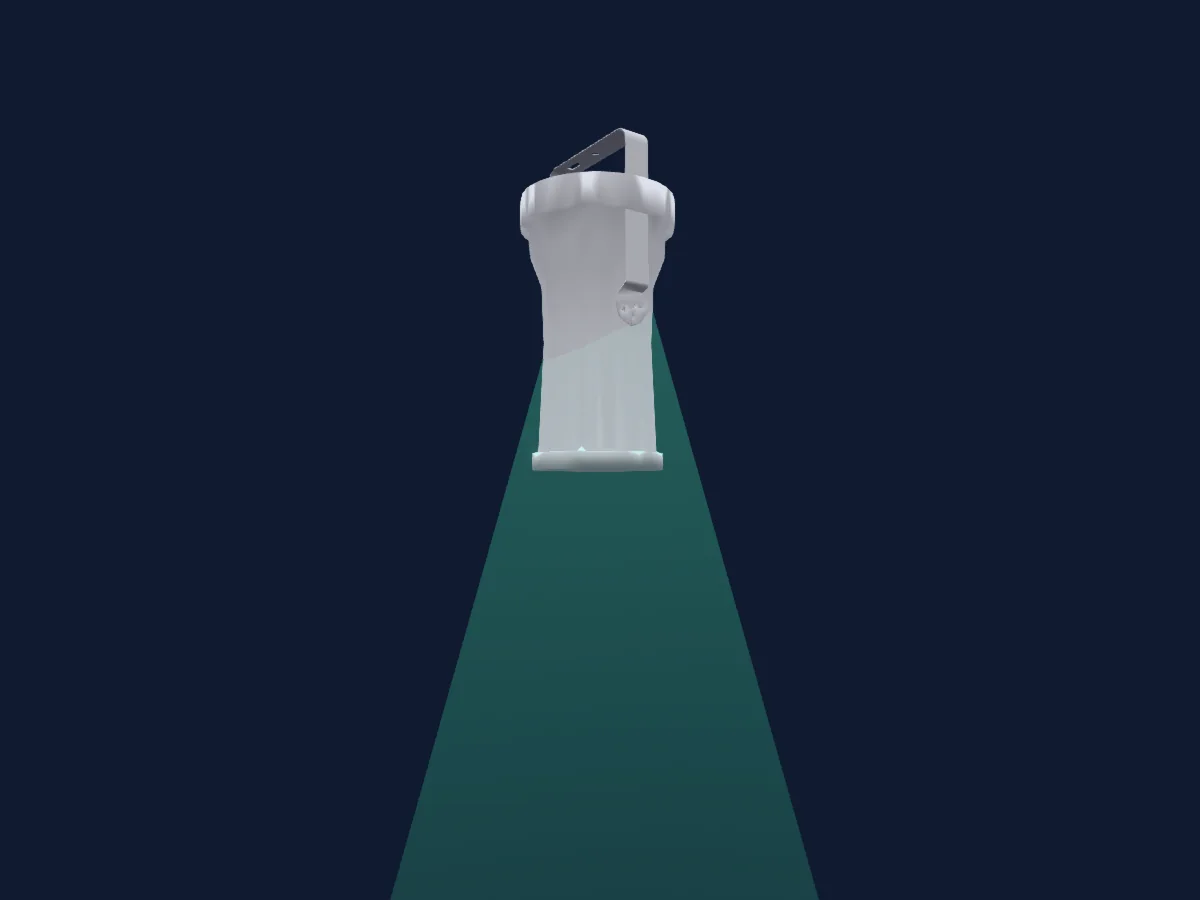
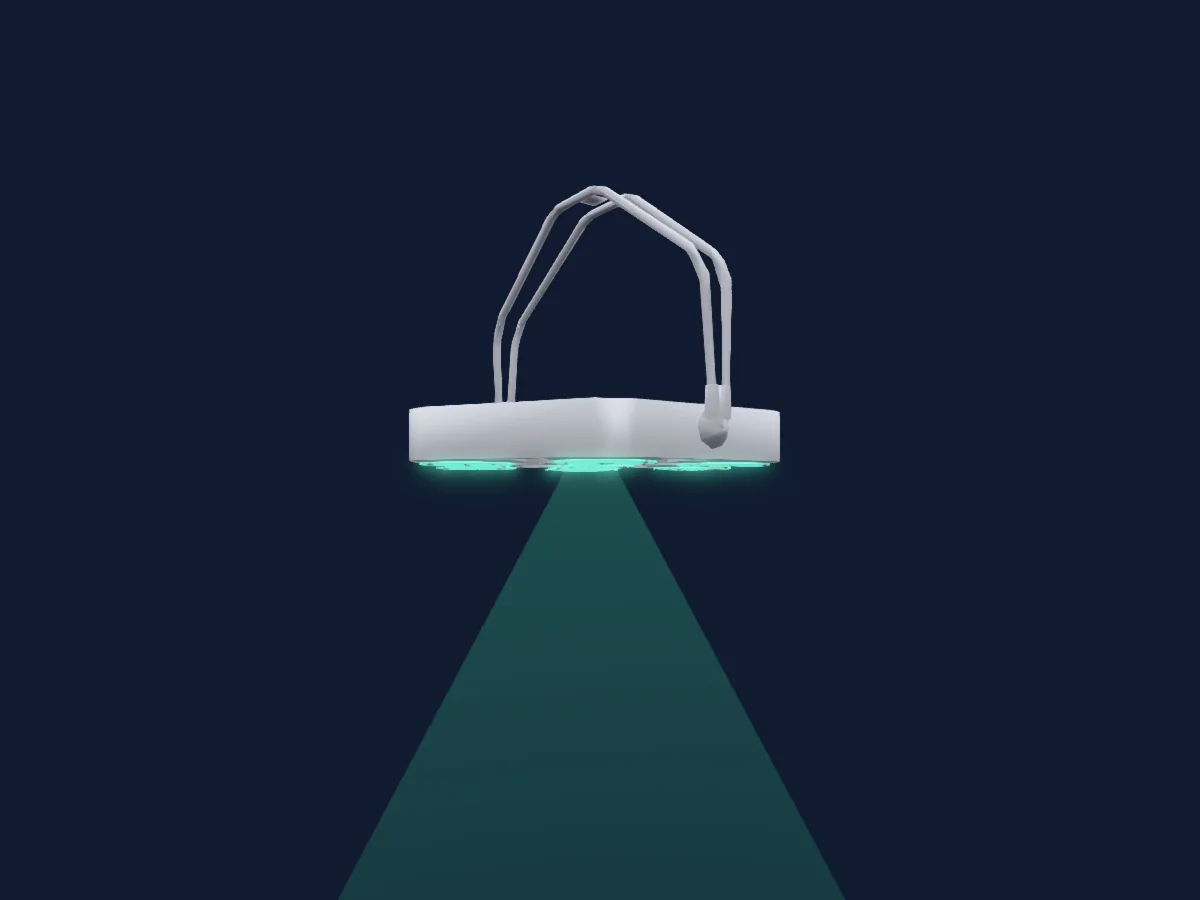
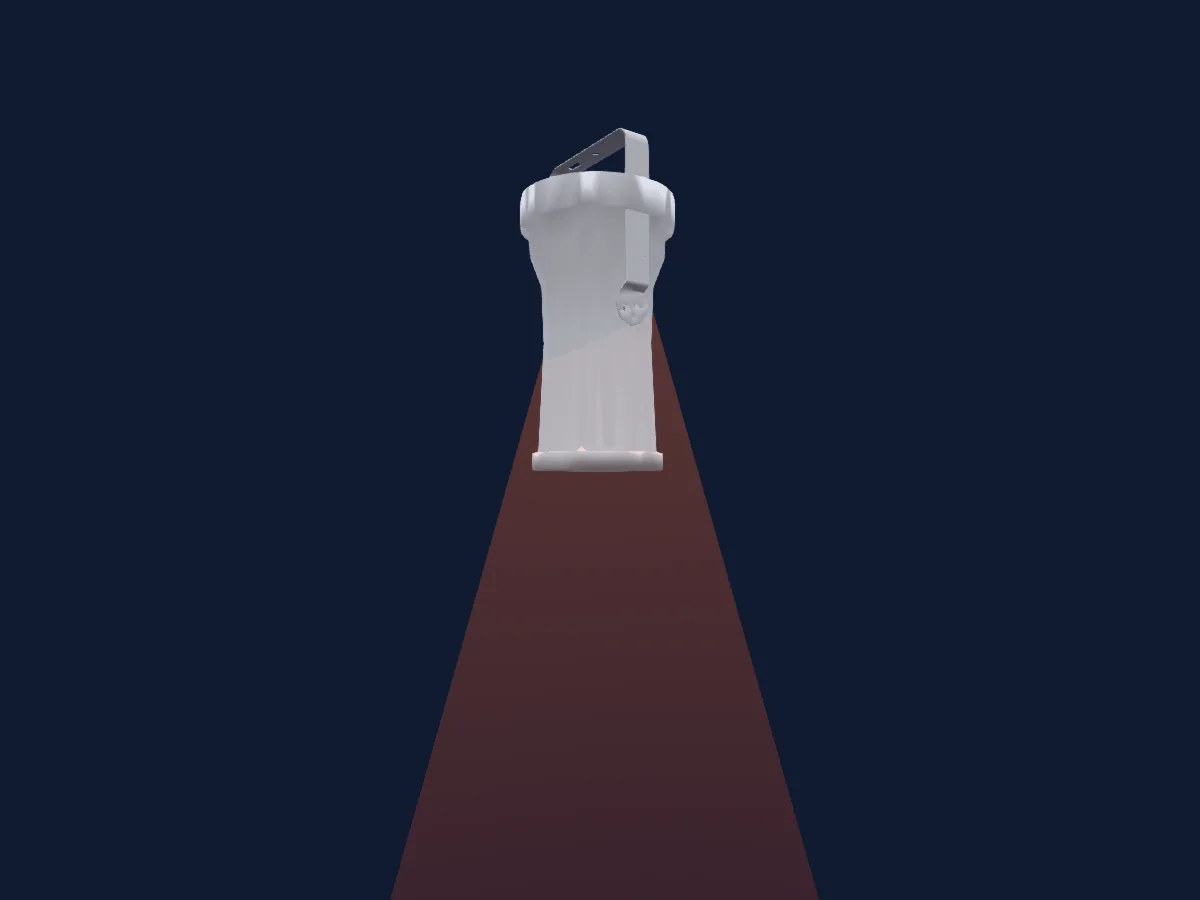
DMX-Tabelle, 3 DMX-Modi und eine 3D-Vorschau. 8 / 11 / 17 DMX-Kanäle.
Was er kann

  • Zoom
  • Zusätzliche LED-Farben
  • RGB-Farbmischung
  • Farbtemperatur
  • Farbrad
  • Strobe
  • Dimmer

Sicherheitsrelevante Funktionen: Scheinwerfer-Reset · Servicefunktionen. Prüfe vor einer Show, wie sie sich an deinem eigenen Scheinwerfer verhalten.

DMX-Modi und Kanaltabellen

DMX-Modi von Robe Lighting Robin iParFect 150 FW RGBA
ModusKanäleIn HitLight
Mode 3 - Simple8Bereit in HitLight
Mode 2 - Reduced 8 - bit11Bereit in HitLight
Mode 1 - Standard 16 - bit17Bereit in HitLight

Mode 3 - Simple

Bereit in HitLight

8 DMX-Kanäle · Diese Tabelle als CSV herunterladen

DMX-Kanaltabelle für Mode 3 - Simple
KanalFunktionStandardDMX-Werte
1Red2550–255
2Red Fine255Feinbyte von Red
3Green2550–255
4Green Fine255Feinbyte von Green
5Blue2550–255
6Blue Fine255Feinbyte von Blue
7Color Add RY2550–255
8Color Add RY Fine255Feinbyte von Color Add RY

Mode 2 - Reduced 8 - bit

Bereit in HitLight

11 DMX-Kanäle · Diese Tabelle als CSV herunterladen

DMX-Kanaltabelle für Mode 2 - Reduced 8 - bit
KanalFunktionStandardDMX-Werte
1Control10
41 Wertebereiche
  • 0–9 No feature
  • 10–14 Wired DMX
  • 15–19 Wireless DMX
  • 20–24 Display ON
  • 25–29 Display OFF
  • 30–34 RGBW colour mixing mode
  • 35–39 CMY colour mixing mode
  • 40–59 NoFeature 5
  • 60–64 Dimmer curve - square law
  • 65–69 Dimmer curve - linear
  • 70–79 NoFeature 7
  • 80–84 White point 8000K ON
  • 85–89 White point 8000K OFF
  • 90–129 NoFeature 9
  • 130–139 Save present DMX values to the fixture as initial DMX values
  • 140–149 NoFeature 11
  • 150–159 Zoom reset
  • 160–169 NoFeature 13
  • 170–171 Tungsten effect simulation (750W) On
  • 172–173 Tungsten effect simulation (1000W) On
  • 174–175 Tungsten effect simulation (1200W) On
  • 176–177 Tungsten effect simulation (2000W) On
  • 178–179 Tungsten effect simulation (2500W) On
  • 180–181 Tungsten effect simulation Off
  • 182–184 NoFeature 15
  • 185–185 PWM output frequency of LEDs: Standard (300Hz)
  • 186–186 PWM output frequency of LEDs: High
  • 187–187 LED Frequency (step -6)
  • 188–188 LED Frequency (step -5)
  • 189–189 LED Frequency (step -4)
  • 190–190 LED Frequency (step -3)
  • 191–191 LED Frequency (step -2)
  • 192–192 LED Frequency (step -1)
  • 193–193 LED Frequency (Standard or High)
  • 194–194 LED Frequency (step 1)
  • 195–195 LED Frequency (step 2)
  • 196–196 LED Frequency (step 3)
  • 197–197 LED Frequency (step 4)
  • 198–198 LED Frequency (step 5)
  • 199–199 LED Frequency (step 6)
  • 200–255 NoFeature 18
2Color Macro100–255
3Red2550–255
4Green2550–255
5Blue2550–255
6Color Add RY2550–255
7C TO0
2 Wertebereiche
  • 0–254 8000K
  • 255–255 2700K
8Color Mix Mode45
11 Wertebereiche
  • 0–9 Virtual colors (Virtual has priority)
  • 10–19 Maximum mode (highest values have priority)
  • 20–29 Minimum mode (lowest values have priority)
  • 30–39 Multiply mode (multiply Virtual and Colour Mix)
  • 40–49 Addition mode (Virtual + Colour mix)
  • 50–59 Subtraction mode (Virtual - Colour mix)
  • 60–69 Inverted Subtraction mode (Virtual - Colour mix)
  • 70–128 Reserved
  • 129–129 Virtual colors (virtual has priority)
  • 130–254 Crossfade (crossfade between Virtual and Colour mix)
  • 255–255 Colour channels (Colour mix has priority)
9Zoom128
2 Wertebereiche
  • 0–254 Wide
  • 255–255 Narrow
10Shutter / Strobe32
16 Wertebereiche
  • 0–31 Shutter closed
  • 32–63 Shutter open
  • 64–74 Shutter1Strobe · Slow to fast 1/10 0.1–3.29 Hz
  • 75–91 Shutter1Strobe · Slow to fast 5/10 3.61–8.72 Hz
  • 92–95 Shutter1Strobe · Slow to fast 10/10 9.04–10 Hz
  • 96–127 Shutter open
  • 128–134 Shutter1StrobePulseOpen · Slow to fast 1/7 0.1–4.06 Hz
  • 135–140 Shutter1StrobePulseOpen · Slow to fast 4/7 4.72–8.02 Hz
  • 141–143 Shutter1StrobePulseOpen · Slow to fast 7/7 8.68–10 Hz
  • 144–149 Shutter1StrobePulseClose · Fast to slow 1/7
  • 150–155 Shutter1StrobePulseClose · Fast to slow 4/7
  • 156–159 Shutter1StrobePulseClose · Fast to slow 7/7
  • 160–191 Shutter open
  • 192–222 Strobe random slow
  • 223–223 Strobe random fast
  • 224–255 Shutter open
11Dimmer0
2 Wertebereiche
  • 0–254 Closed
  • 255–255 Open

Mode 1 - Standard 16 - bit

Bereit in HitLight

17 DMX-Kanäle · Diese Tabelle als CSV herunterladen

DMX-Kanaltabelle für Mode 1 - Standard 16 - bit
KanalFunktionStandardDMX-Werte
1Control10
41 Wertebereiche
  • 0–9 No feature
  • 10–14 Wired DMX
  • 15–19 Wireless DMX
  • 20–24 Display ON
  • 25–29 Display OFF
  • 30–34 RGBW colour mixing mode
  • 35–39 CMY colour mixing mode
  • 40–59 NoFeature 5
  • 60–64 Dimmer curve - square law
  • 65–69 Dimmer curve - linear
  • 70–79 NoFeature 7
  • 80–84 White point 8000K ON
  • 85–89 White point 8000K OFF
  • 90–129 NoFeature 9
  • 130–139 Save present DMX values to the fixture as initial DMX values
  • 140–149 NoFeature 11
  • 150–159 Zoom reset
  • 160–169 NoFeature 13
  • 170–171 Tungsten effect simulation (750W) On
  • 172–173 Tungsten effect simulation (1000W) On
  • 174–175 Tungsten effect simulation (1200W) On
  • 176–177 Tungsten effect simulation (2000W) On
  • 178–179 Tungsten effect simulation (2500W) On
  • 180–181 Tungsten effect simulation Off
  • 182–184 NoFeature 15
  • 185–185 PWM output frequency of LEDs: Standard (300Hz)
  • 186–186 PWM output frequency of LEDs: High
  • 187–187 LED Frequency (step -6)
  • 188–188 LED Frequency (step -5)
  • 189–189 LED Frequency (step -4)
  • 190–190 LED Frequency (step -3)
  • 191–191 LED Frequency (step -2)
  • 192–192 LED Frequency (step -1)
  • 193–193 LED Frequency (Standard or High)
  • 194–194 LED Frequency (step 1)
  • 195–195 LED Frequency (step 2)
  • 196–196 LED Frequency (step 3)
  • 197–197 LED Frequency (step 4)
  • 198–198 LED Frequency (step 5)
  • 199–199 LED Frequency (step 6)
  • 200–255 NoFeature 18
2Color Macro100–255
3Red2550–255
4Red Fine255Feinbyte von Red
5Green2550–255
6Green Fine255Feinbyte von Green
7Blue2550–255
8Blue Fine255Feinbyte von Blue
9Color Add RY2550–255
10Color Add RY Fine255Feinbyte von Color Add RY
11C TO0
2 Wertebereiche
  • 0–254 8000K
  • 255–255 2700K
12Color Mix Mode45
11 Wertebereiche
  • 0–9 Virtual colors (Virtual has priority)
  • 10–19 Maximum mode (highest values have priority)
  • 20–29 Minimum mode (lowest values have priority)
  • 30–39 Multiply mode (multiply Virtual and Colour Mix)
  • 40–49 Addition mode (Virtual + Colour mix)
  • 50–59 Subtraction mode (Virtual - Colour mix)
  • 60–69 Inverted Subtraction mode (Virtual - Colour mix)
  • 70–128 Reserved
  • 129–129 Virtual colors (virtual has priority)
  • 130–254 Crossfade (crossfade between Virtual and Colour mix)
  • 255–255 Colour channels (Colour mix has priority)
13Zoom128
2 Wertebereiche
  • 0–254 Wide
  • 255–255 Narrow
14Zoom Fine0Feinbyte von Zoom
15Shutter / Strobe32
16 Wertebereiche
  • 0–31 Shutter closed
  • 32–63 Shutter open
  • 64–74 Shutter1Strobe · Slow to fast 1/10 0.1–3.29 Hz
  • 75–91 Shutter1Strobe · Slow to fast 5/10 3.61–8.72 Hz
  • 92–95 Shutter1Strobe · Slow to fast 10/10 9.04–10 Hz
  • 96–127 Shutter open
  • 128–134 Shutter1StrobePulseOpen · Slow to fast 1/7 0.1–4.06 Hz
  • 135–140 Shutter1StrobePulseOpen · Slow to fast 4/7 4.72–8.02 Hz
  • 141–143 Shutter1StrobePulseOpen · Slow to fast 7/7 8.68–10 Hz
  • 144–149 Shutter1StrobePulseClose · Fast to slow 1/7
  • 150–155 Shutter1StrobePulseClose · Fast to slow 4/7
  • 156–159 Shutter1StrobePulseClose · Fast to slow 7/7
  • 160–191 Shutter open
  • 192–222 Strobe random slow
  • 223–223 Strobe random fast
  • 224–255 Shutter open
16Dimmer0
2 Wertebereiche
  • 0–254 Closed
  • 255–255 Open
17Dimmer Fine0Feinbyte von Dimmer

Robe Lighting Robin iParFect 150 FW RGBA in HitLight verwenden

  1. Öffne Scheinwerfer hinzufügen und suche nach Robe Lighting Robin iParFect 150 FW RGBA.
  2. Wähle den DMX-Modus, der im Menü des Scheinwerfers eingestellt ist. HitLight gibt ihm die niedrigste freie Startadresse in seinem Universum, die zur Kanalzahl des Modus passt.
  3. Prüfe Modus und Steuerung an deinem echten Scheinwerfer, bevor du ihn live einsetzt.

Die Tabellen stammen aus der GDTF-Beschreibung des Scheinwerfers, umgewandelt für die HitLight-Bibliothek. HitLight ist nicht mit Robe Lighting verbunden.

Patche ihn und lass die Musik das Licht steuern.

HitLight findet diese Scheinwerfer in seiner Bibliothek, patcht sie auf die nächste freie Adresse und zeigt deine Lichtanlage in 3D, bevor ein einziges Licht eingesteckt ist.

HitLight öffnen ↗HitLight herunterladen