 HitLight
Triton Blue Comet 84 Neon
DMX chart, 2 DMX modes and a 3D preview. 12 / 17 DMX channels.
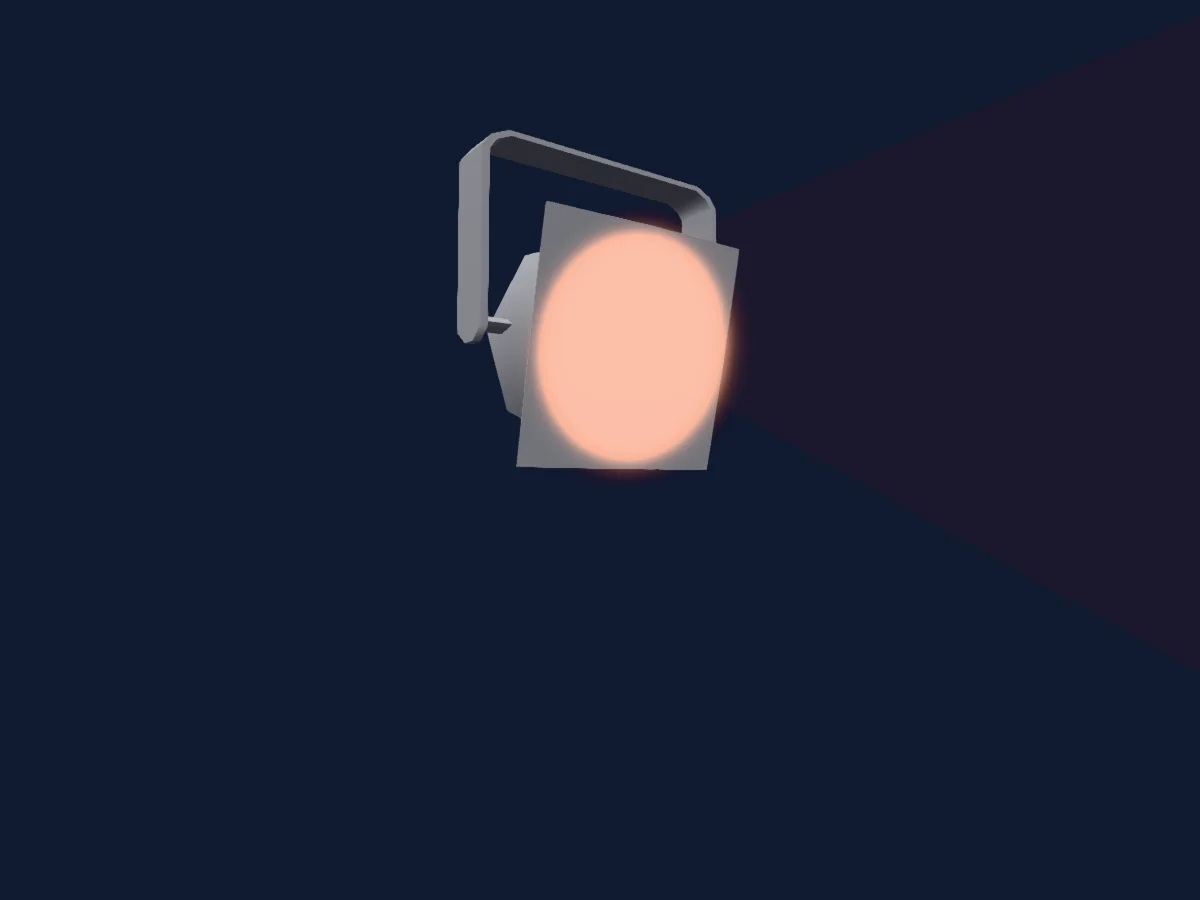
What it can do
- Extra LED colours
- RGB colour mixing
- Colour temperature
- Colour wheel
- Dimmer
- Pixel control
DMX modes and channel charts
| Mode | Channels | In HitLight |
|---|---|---|
| 12ch | 12 | Ready in HitLight |
| 17ch | 17 | Ready in HitLight |
12ch
Ready in HitLight12 DMX channels · Download this chart as CSV
| Channel | Function | Default | DMX values |
|---|---|---|---|
| 1 | Dimmer | 0 | 0–255 |
| 2 | Strobe Mode Shutter | 255 | 8 value ranges
|
| 3 | Red | 0 | 0–255 |
| 4 | Green | 0 | 0–255 |
| 5 | Blue | 0 | 0–255 |
| 6 | White | 0 | 0–255 |
| 7 | Shaper Macros | 0 | 3 value ranges
|
| 8 | Shaper Macros Speed | 0 | 0–255 |
| 9 | Dimmer | 0 | 0–255 |
| 10 | Color Macro1 | 0 | 17 value ranges
|
| 11 | Shaper Macros | 0 | 2 value ranges
|
| 12 | Shaper Macros Speed | 0 | 0–255 |
17ch
Ready in HitLight17 DMX channels · Download this chart as CSV
| Channel | Function | Default | DMX values |
|---|---|---|---|
| 1 | Dimmer | 0 | 0–255 |
| 2 | Strobe Mode Shutter | 255 | 8 value ranges
|
| 3 | Red | 0 | 0–255 |
| 4 | Green | 0 | 0–255 |
| 5 | Blue | 0 | 0–255 |
| 6 | White | 0 | 0–255 |
| 7 | Color Macro1 | 0 | 22 value ranges
|
| 8 | C TO | 0 | 9 value ranges
|
| 9 | Shaper Macros | 0 | 3 value ranges
|
| 10 | Shaper Macros Speed | 0 | 0–255 |
| 11 | Dimmer | 0 | 0–255 |
| 12 | Red | 0 | 0–255 |
| 13 | Green | 0 | 0–255 |
| 14 | Blue | 0 | 0–255 |
| 15 | Color Macro1 | 0 | 17 value ranges
|
| 16 | Shaper Macros | 0 | 2 value ranges
|
| 17 | Shaper Macros Speed | 0 | 0–255 |
Use the Triton Blue Comet 84 Neon in HitLight
- Open Add fixture and search for Triton Blue Comet 84 Neon.
- Choose the DMX mode set in the fixture’s own menu. HitLight gives it the lowest free start address on its universe that fits the mode’s channel count.
- Check the mode and controls against your real fixture before live use.
Related fixtures
Profile spot
Triton Blue Aqua Meteor 336Z
13 / 29 DMX channels
Profile spot
Triton Blue Orion W84
23 / 28 DMX channels
Profile spot
Triton Blue Aqua Meteor 84
12 / 17 DMX channels
Profile spot
Triton Blue Comet 336
13 / 29 DMX channels
Profile spot
Triton Blue Hydro B60
9 / 11 DMX channels
Profile spot
Triton Blue Aqua 120W RGBWAUV
6 / 10 DMX channels
Charts come from the fixture’s GDTF description as converted for the HitLight library. HitLight is not affiliated with Triton Blue.