Aller au contenu
HitLight
ACME · Lyre

ACME ARES IP (XP 500 BEAM IP)

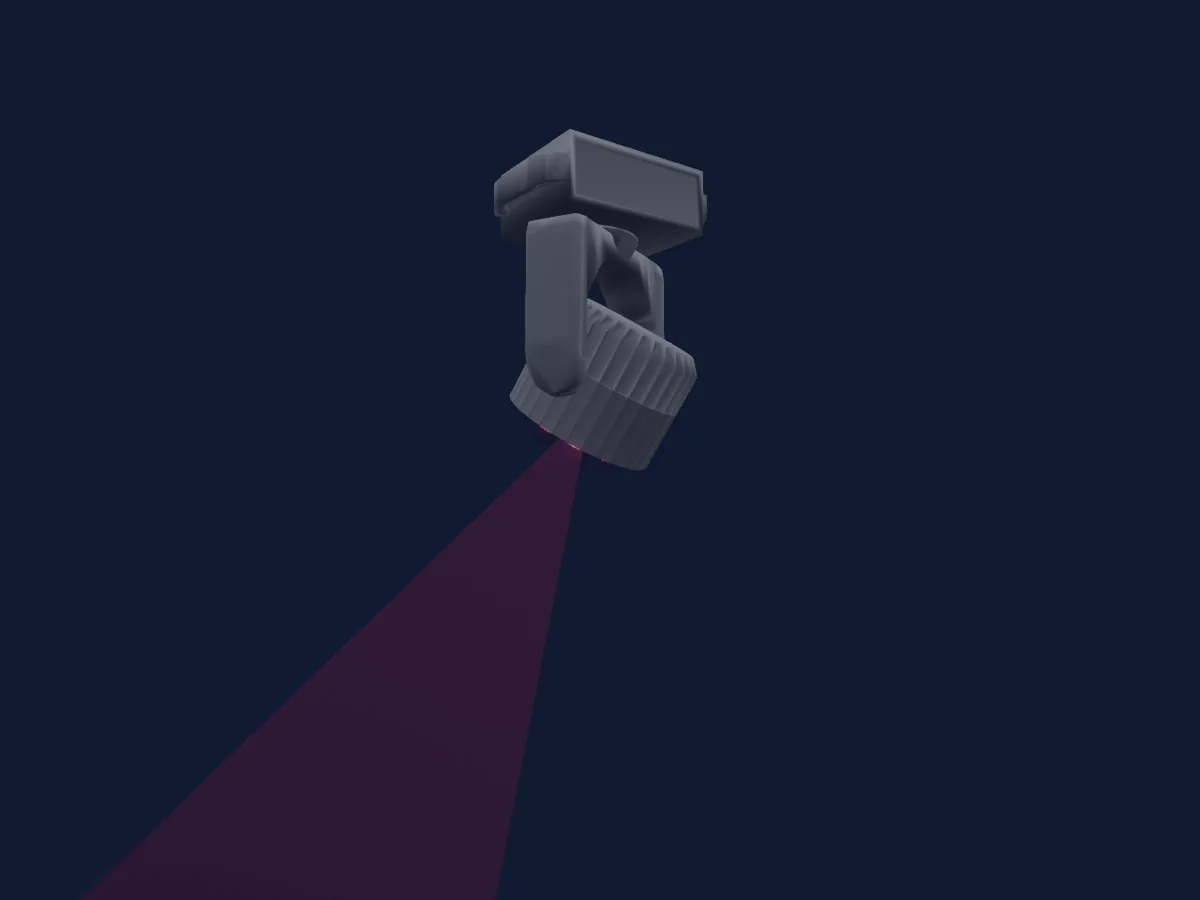
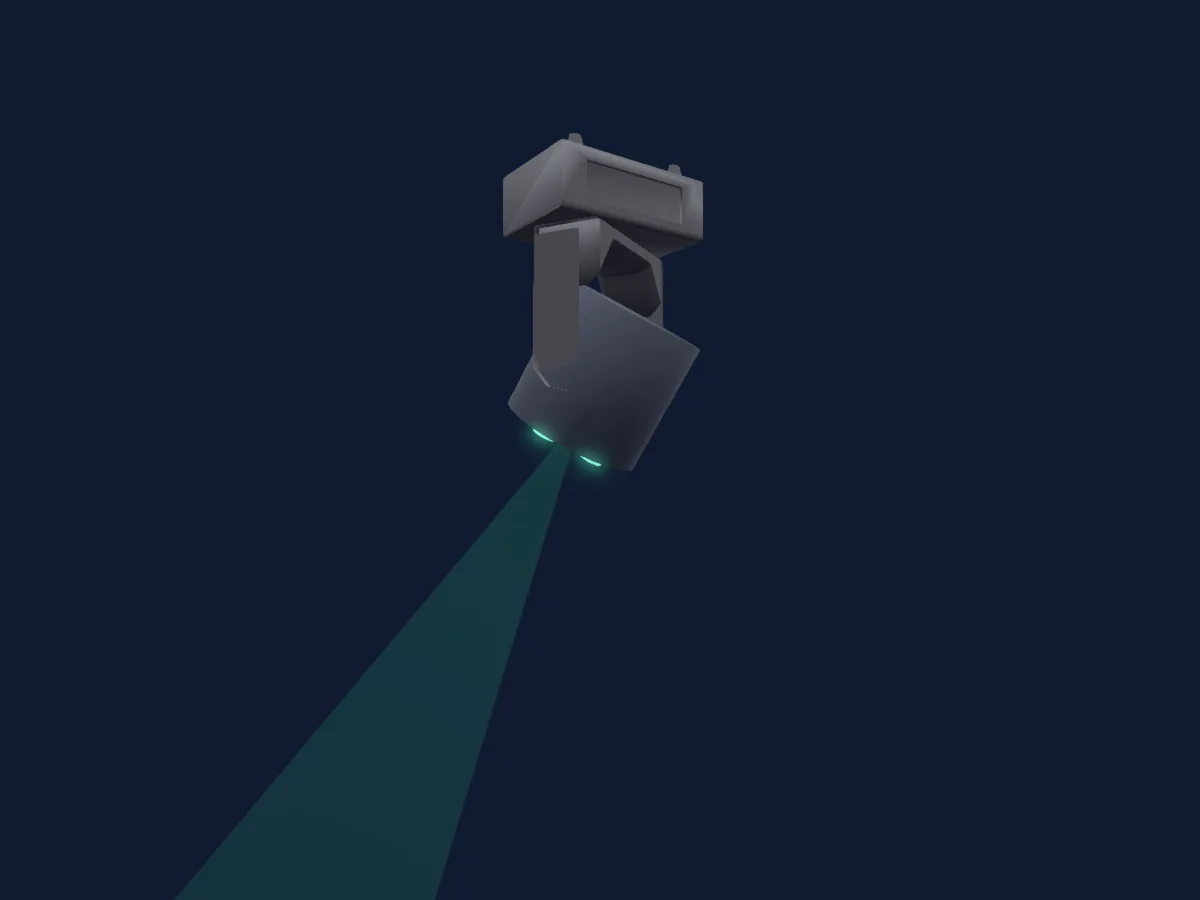
Tableau DMX, 1 mode DMX et aperçu 3D. 24 canaux DMX.
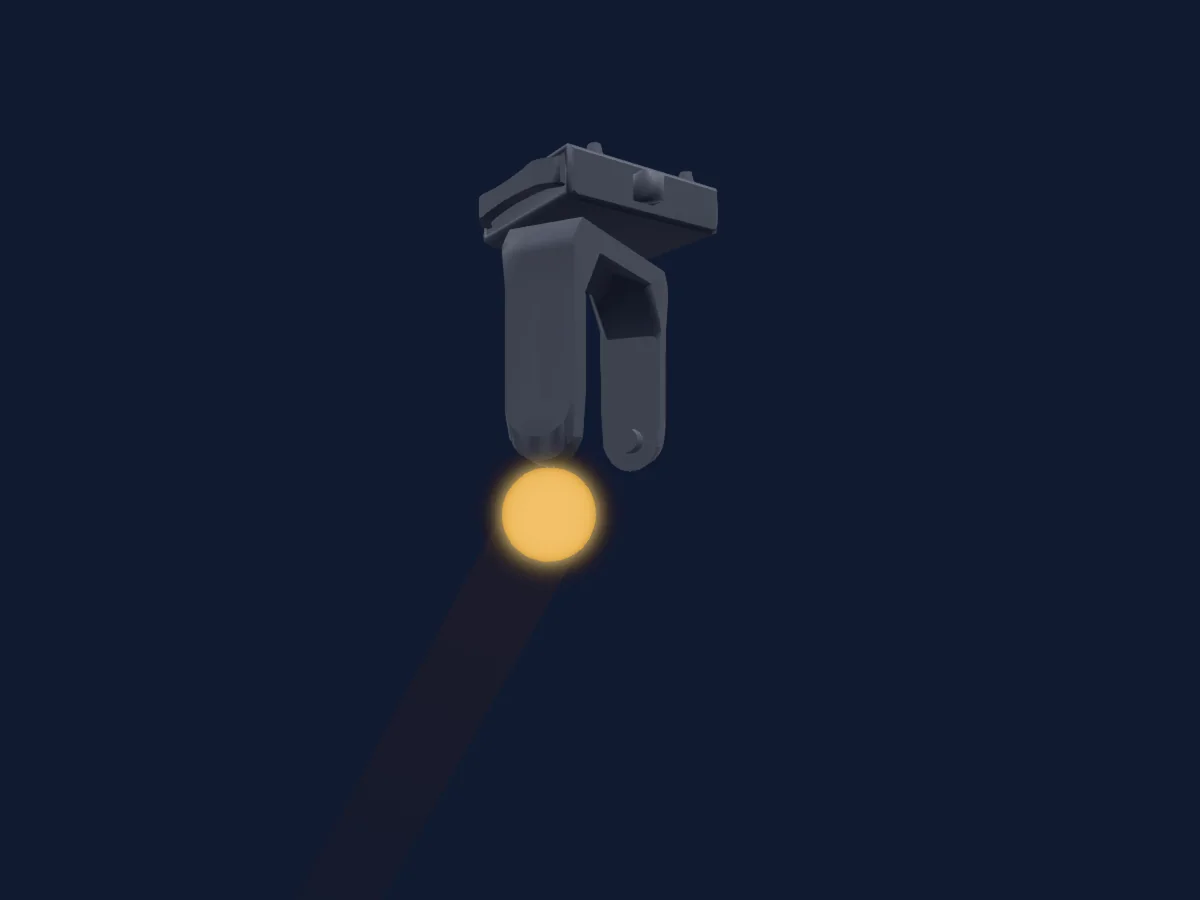
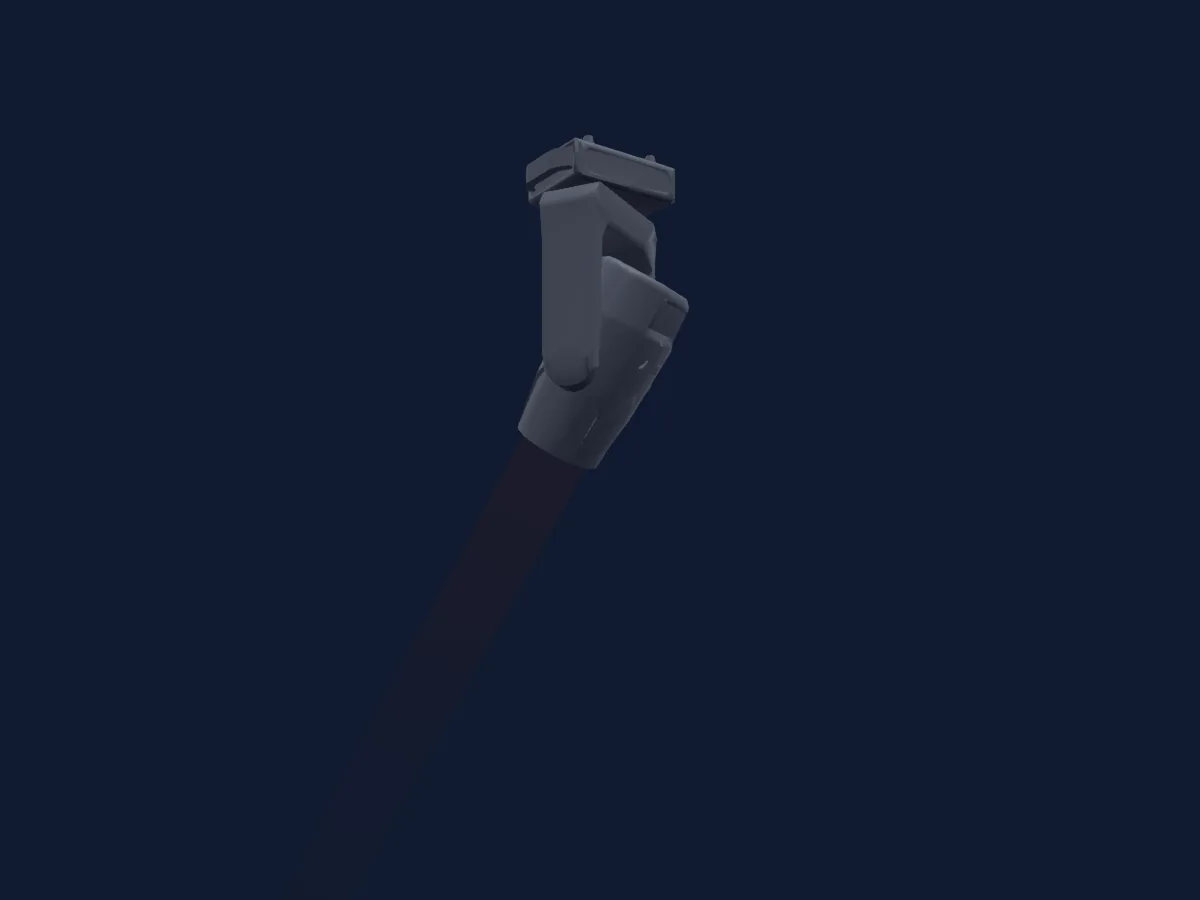
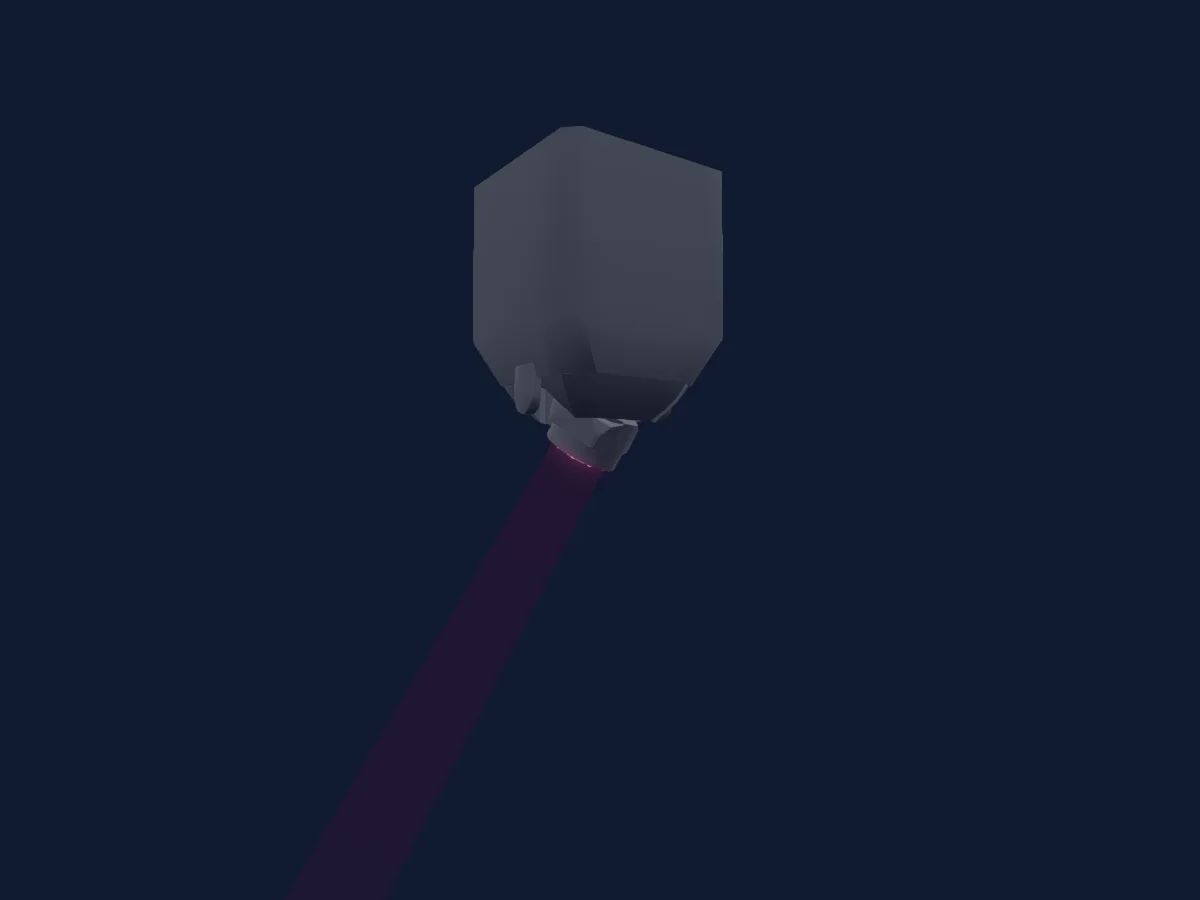
ACME ARES IP (XP 500 BEAM IP) rendu dans HitLight

Ce qu’il sait faire

  • Mise au point
  • Frost
  • Prisme
  • Rotation du prisme
  • Mélange de couleurs CMJ
  • Température de couleur
  • Roue de couleurs
  • Stroboscope
  • Intensité
  • Pan et tilt
  • Roue d’animation
  • Gobos

Fonctions liées à la sécurité: Allumage et extinction de la lampe · Réinitialisation du projecteur · Stroboscope · Programmes d’effets intégrés. Vérifiez leur comportement sur votre propre projecteur avant un spectacle.

Modes DMX et tableaux de canaux

Modes DMX de ACME ARES IP (XP 500 BEAM IP)
ModeCanauxDans HitLight
Mode 1 24 DMX24Prêt dans HitLight

Mode 1 24 DMX

Prêt dans HitLight

24 canaux DMX · Télécharger ce tableau en CSV

Tableau des canaux DMX de Mode 1 24 DMX
CanalFonctionPar défautValeurs DMX
1Pan1270–255
2Pan Fine255Octet fin de Pan
3Tilt1280–255
4Tilt Fine0Octet fin de Tilt
5P TSpeed00–255
6Cyan00–255
7Magenta00–255
8Yellow00–255
9C TO00–255
10Color Wheel0
21 plages de valeurs
  • 0–3 Open (wheel slot 1)
  • 4–7 Color 1 (wheel slot 2)
  • 8–11 Color 2 (wheel slot 3)
  • 12–15 Color 3 (wheel slot 4)
  • 16–19 Color 4 (wheel slot 5)
  • 20–23 Color 5 (wheel slot 6)
  • 24–27 Color 6 (wheel slot 7)
  • 28–31 Color 7 (wheel slot 8)
  • 32–35 Color 8 (wheel slot 9)
  • 36–39 Color 9 (wheel slot 10)
  • 40–43 Color 10 (wheel slot 11)
  • 44–47 Color 11 (wheel slot 12)
  • 48–51 Color 12 (wheel slot 13)
  • 52–55 Color 13 (wheel slot 14)
  • 56–59 Color 14 (wheel slot 15)
  • 60–127 Color1 Index
  • 128–188 max CCW
  • 189–189 min CCW
  • 190–193 Stop
  • 194–254 min CW
  • 255–255 max CW
11Gobo0
33 plages de valeurs
  • 0–7 Gobo 1 (wheel slot 1)
  • 8–10 Open 2 (wheel slot 2)
  • 11–13 Gobo 3 (wheel slot 3)
  • 14–16 Gobo 4 (wheel slot 4)
  • 17–19 Gobo 5 (wheel slot 5)
  • 20–22 Gobo 6 (wheel slot 6)
  • 23–25 Gobo 7 (wheel slot 7)
  • 26–28 Gobo 8 (wheel slot 8)
  • 29–31 Gobo 9 (wheel slot 9)
  • 32–34 Gobo 10 (wheel slot 10)
  • 35–37 Gobo 11 (wheel slot 11)
  • 38–43 Gobo 12 (wheel slot 12)
  • 44–49 Gobo 13 (wheel slot 13)
  • 50–55 Gobo 14 (wheel slot 14)
  • 56–59 Gobo 1 Shake (wheel slot 1)
  • 60–63 Gobo 2 Shake (wheel slot 2)
  • 64–67 Gobo 3 Shake (wheel slot 3)
  • 68–71 Gobo 4 Shake (wheel slot 4)
  • 72–75 Gobo 5 Shake (wheel slot 5)
  • 76–79 Gobo 6 Shake (wheel slot 6)
  • 80–83 Gobo 7 Shake (wheel slot 7)
  • 84–87 Gobo 8 Shake (wheel slot 8)
  • 88–91 Gobo 9 Shake (wheel slot 9)
  • 92–95 Gobo 10 Shake (wheel slot 10)
  • 96–103 Gobo 11 Shake (wheel slot 11)
  • 104–111 Gobo 12 Shake (wheel slot 12)
  • 112–119 Gobo 13 Shake (wheel slot 13)
  • 120–127 Gobo 14 Shake (wheel slot 14)
  • 128–188 max CW
  • 189–189 min CW
  • 190–193 Stop
  • 194–254 min CCW
  • 255–255 max CCW
12Animation Wheel10
9 plages de valeurs
  • 0–7 Opan (wheel slot 1)
  • 8–38 Soft Filter 1 (wheel slot 2)
  • 39–69 Soft Filter 2 (wheel slot 3)
  • 70–100 FX Gobo 1 (wheel slot 4)
  • 101–131 FX Gobo 1 Shake (wheel slot 4)
  • 132–162 FX Gobo 2 (wheel slot 5)
  • 163–193 FX Gobo 2 Shake (wheel slot 5)
  • 194–224 FX Gobo 3 (wheel slot 6)
  • 225–255 FX Gobo 3 Shake (wheel slot 6)
13Prism0
9 plages de valeurs
  • 0–7 Open (wheel slot 1)
  • 8–38 Prism 1 (wheel slot 2)
  • 39–69 Prism 2 (wheel slot 3)
  • 70–100 Prism 3 (wheel slot 4)
  • 101–131 Prism 4 (wheel slot 5)
  • 132–162 Prism 1+3 (wheel slot 6)
  • 163–193 Prism 1+4 (wheel slot 7)
  • 194–224 Prism 2+3 (wheel slot 8)
  • 225–255 Prism 2+4 (wheel slot 9)
14Prism Rotation0
6 plages de valeurs
  • 1–127 Index
  • 128–188 max CW
  • 189–189 min CW
  • 190–193 Stop
  • 194–254 min CCW
  • 255–255 max CCW
15Prism Rotation0
6 plages de valeurs
  • 1–127 Index
  • 128–188 max CW
  • 189–189 min CW
  • 190–193 Stop
  • 194–254 min CCW
  • 255–255 max CCW
16Effect Macro00–255
17Effect Macro Speed0
3 plages de valeurs
  • 1–7 Stop
  • 8–254 Min
  • 255–255 Max
18Shutter / Strobe8
11 plages de valeurs
  • 0–7 Closed
  • 8–15 Open
  • 16–130 min Strobe
  • 131–131 max Strobe
  • 132–166 Min Pulse Open
  • 167–167 Max Pulse Open
  • 168–202 Min Pulse Close
  • 203–203 Max Pulse Close
  • 204–239 Shutter1StrobePulse
  • 240–247 Strobe Ran
  • 248–255 Open 5
19Dimmer00–255
20Dimmer Fine0Octet fin de Dimmer
21Focus1220–255
22Focus Fine0Octet fin de Focus
23Frost10
2 plages de valeurs
  • 0–7 Close
  • 8–255 Open
24Function0
19 plages de valeurs
  • 0–69 Null
  • 70–79 Enable
  • 80–89 Disable
  • 90–99 Enable
  • 100–109 Disable
  • 110–119 Enable
  • 120–129 Disable
  • 130–139 Lamp On
  • 140–149 P/T Reset
  • 150–159 Eff Reset
  • 160–199 Null
  • 200–209 All Reset
  • 210–211 Enable
  • 212–213 Disable
  • 214–215 Enable
  • 216–217 Disable
  • 218–229 Null
  • 230–239 Lamp off
  • 240–255 Null

Utiliser ACME ARES IP (XP 500 BEAM IP) dans HitLight

  1. Ouvrez Ajouter un projecteur et recherchez ACME ARES IP (XP 500 BEAM IP).
  2. Choisissez le mode DMX réglé dans le menu du projecteur. HitLight lui attribue la plus basse adresse de départ libre de son univers qui peut accueillir le nombre de canaux du mode.
  3. Vérifiez le mode et les commandes sur votre vrai projecteur avant toute utilisation en direct.

Les tableaux proviennent de la description GDTF du projecteur, convertie pour la bibliothèque HitLight. HitLight n’a aucun lien avec ACME.

Patchez-le, puis laissez la musique piloter la lumière.

HitLight trouve ces projecteurs dans sa bibliothèque, les patche sur la prochaine adresse libre et affiche votre installation en 3D avant même de brancher une seule lumière.

Ouvrir HitLight ↗Télécharger HitLight