 HitLight
DTS Lighting Profilo LED 200 CT
Tableau DMX, 3 modes DMX et aperçu 3D. 2 / 6 / 7 canaux DMX.
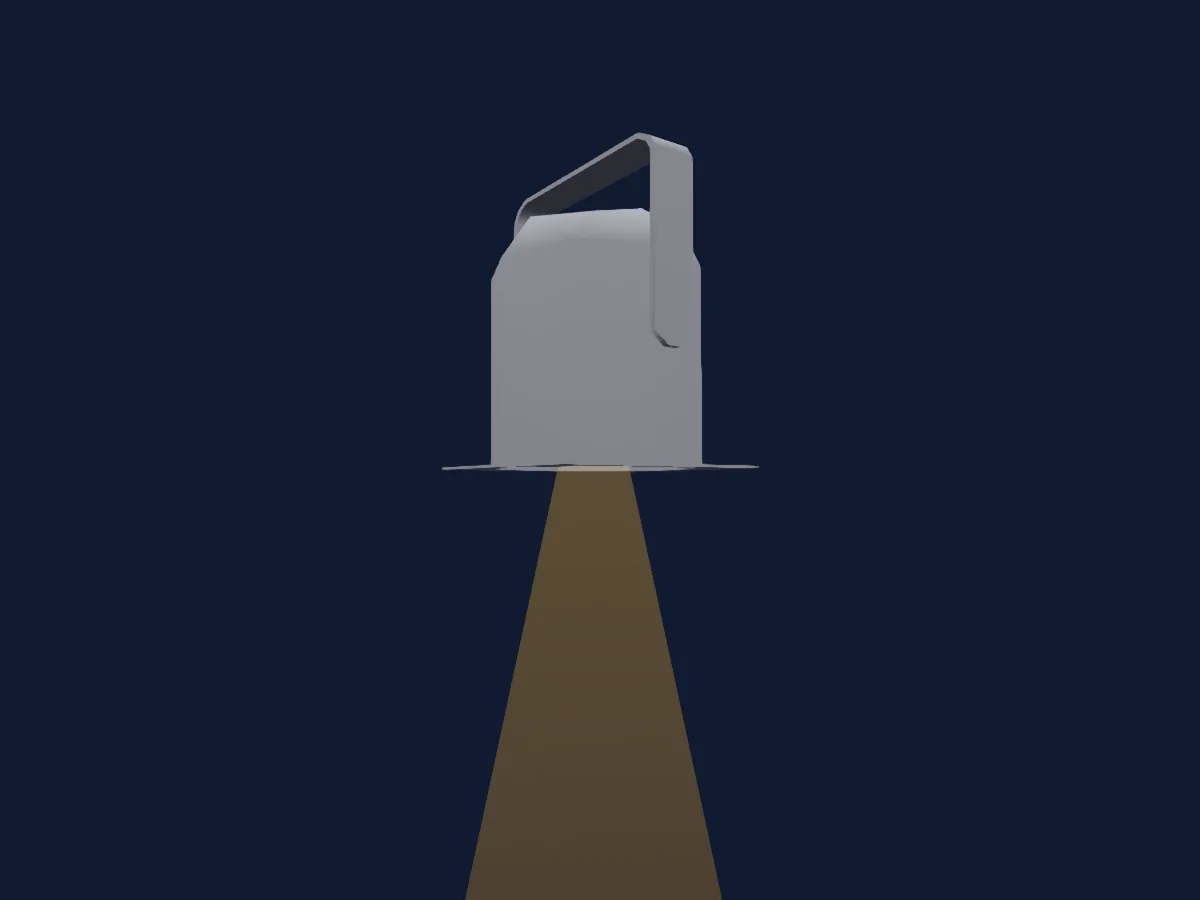
Ce qu’il sait faire
- Couleurs LED supplémentaires
- Température de couleur
- Stroboscope
- Intensité
Fonctions liées à la sécurité: Fonctions de maintenance · Stroboscope. Vérifiez leur comportement sur votre propre projecteur avant un spectacle.
Modes DMX et tableaux de canaux
| Mode | Canaux | Dans HitLight |
|---|---|---|
| 2 CH | 2 | Prêt dans HitLight |
| CTC | 6 | Prêt dans HitLight |
| 7 CH | 7 | Prêt dans HitLight |
2 CH
Prêt dans HitLight2 canaux DMX · Télécharger ce tableau en CSV
| Canal | Fonction | Par défaut | Valeurs DMX |
|---|---|---|---|
| 1 | White | 0 | 0–255 |
| 2 | White | 0 | 0–255 |
CTC
Prêt dans HitLight6 canaux DMX · Télécharger ce tableau en CSV
| Canal | Fonction | Par défaut | Valeurs DMX |
|---|---|---|---|
| 1 | Dimmer | 0 | 0–255 |
| 2 | Reserved 2 | 0 | 0–255 |
| 3 | Reserved 3 | 0 | 0–255 |
| 4 | Reserved 4 | 0 | 0–255 |
| 5 | Reserved 5 | 0 | 0–255 |
| 6 | C TC | 255 | 10 plages de valeurs
|
7 CH
Prêt dans HitLight7 canaux DMX · Télécharger ce tableau en CSV
| Canal | Fonction | Par défaut | Valeurs DMX |
|---|---|---|---|
| 1 | White | 0 | 0–255 |
| 2 | White Count | 0 | 0–255 |
| 3 | Shutter / Strobe | 19 | 12 plages de valeurs
|
| 4 | Dimmer | 0 | 0–255 |
| 5 | Dimmer Fine | 0 | Octet fin de Dimmer |
| 6 | C TC | 255 | 10 plages de valeurs
|
| 7 | Control1 | 135 | 45 plages de valeurs
|
Utiliser DTS Lighting Profilo LED 200 CT dans HitLight
- Ouvrez Ajouter un projecteur et recherchez DTS Lighting Profilo LED 200 CT.
- Choisissez le mode DMX réglé dans le menu du projecteur. HitLight lui attribue la plus basse adresse de départ libre de son univers qui peut accueillir le nombre de canaux du mode.
- Vérifiez le mode et les commandes sur votre vrai projecteur avant toute utilisation en direct.
Projecteurs associés
PAR
DTS Lighting SOPRANO 1 WH
1 / 2 / 4 canaux DMX
PAR
DTS Lighting SOPRANO 3 HQS
5 / 10 / 12 / 13 / 17 canaux DMX
PAR
DTS Lighting SOPRANO 1 HDW
2 / 6 canaux DMX
PAR
DTS Lighting Mini Brick FC
4 / 6 / 10 canaux DMX
PAR
DTS Lighting Scena LED MZ 200 CT
3 / 9 canaux DMX
PAR
DTS Lighting SOPRANO 3 HDW
2 / 6 canaux DMX
Les tableaux proviennent de la description GDTF du projecteur, convertie pour la bibliothèque HitLight. HitLight n’a aucun lien avec DTS Lighting.