Pular para o conteúdo
HitLight
Clay Paky · Elipsoidal

Clay Paky Axcor Spot 400 HC

Tabela DMX, 1 modo DMX e prévia em 3D. 28 canais DMX.
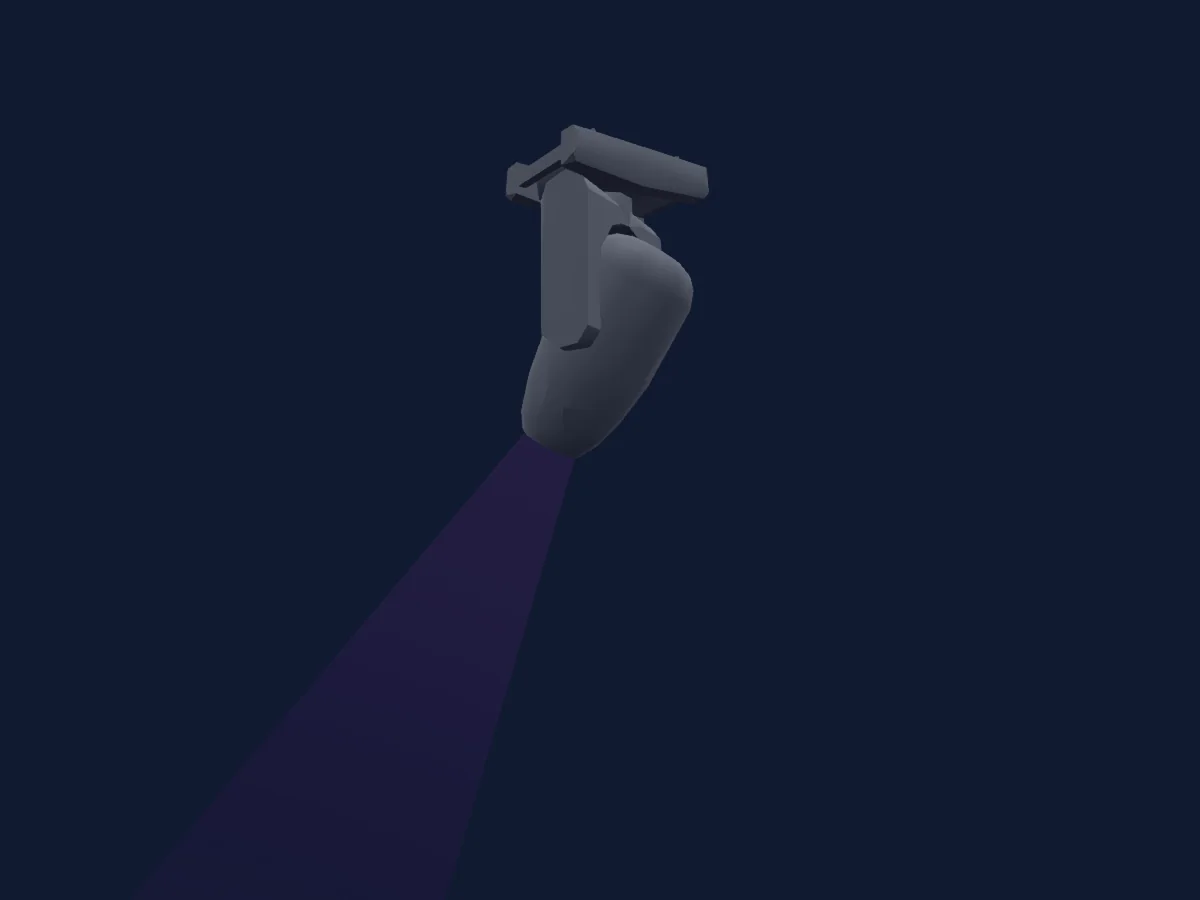
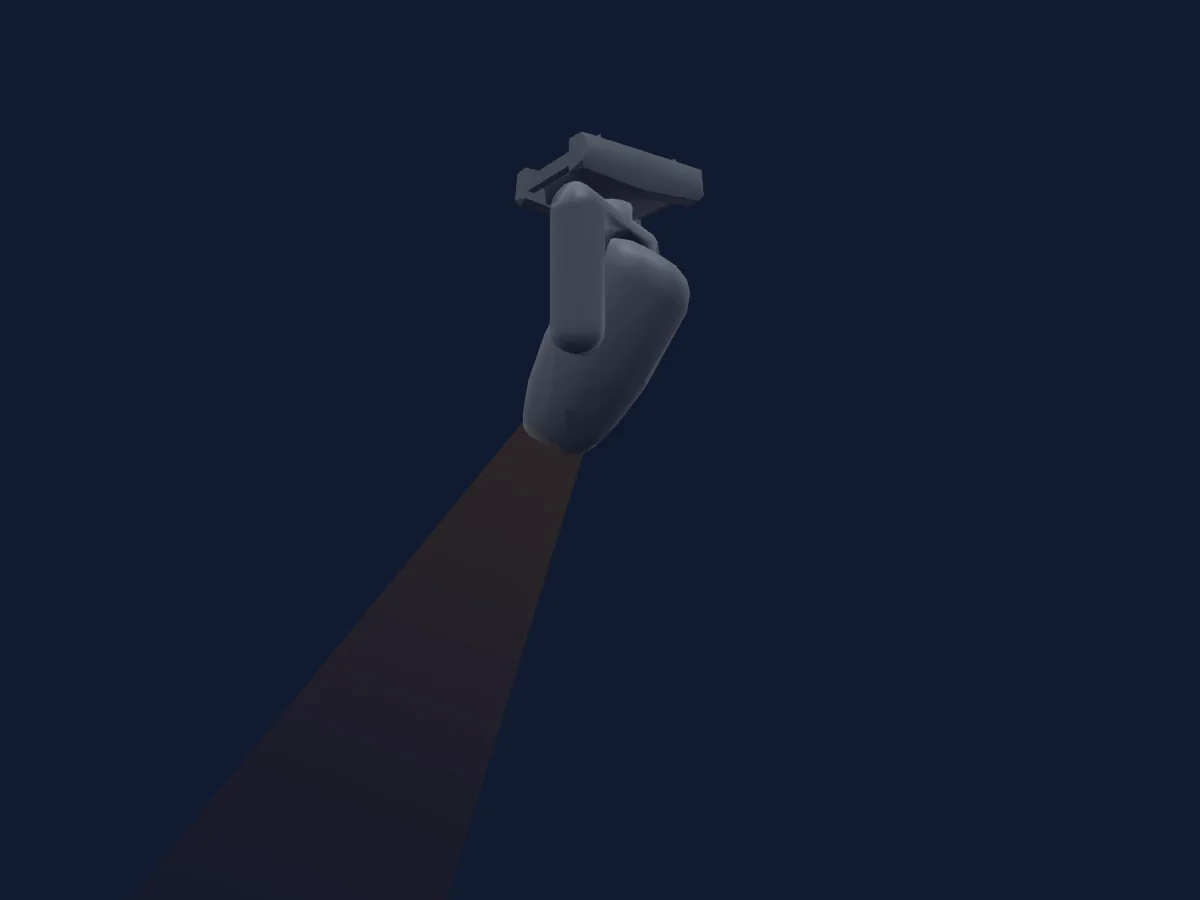
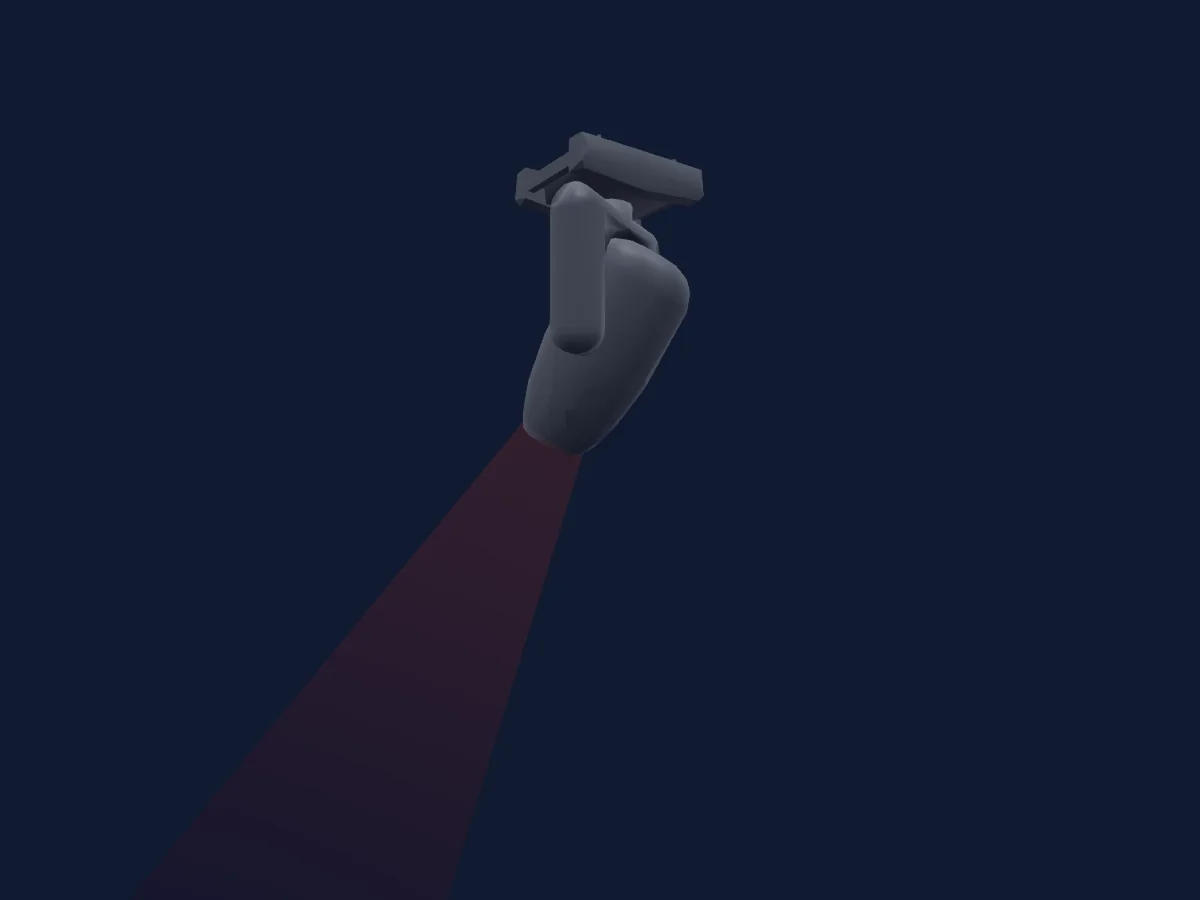
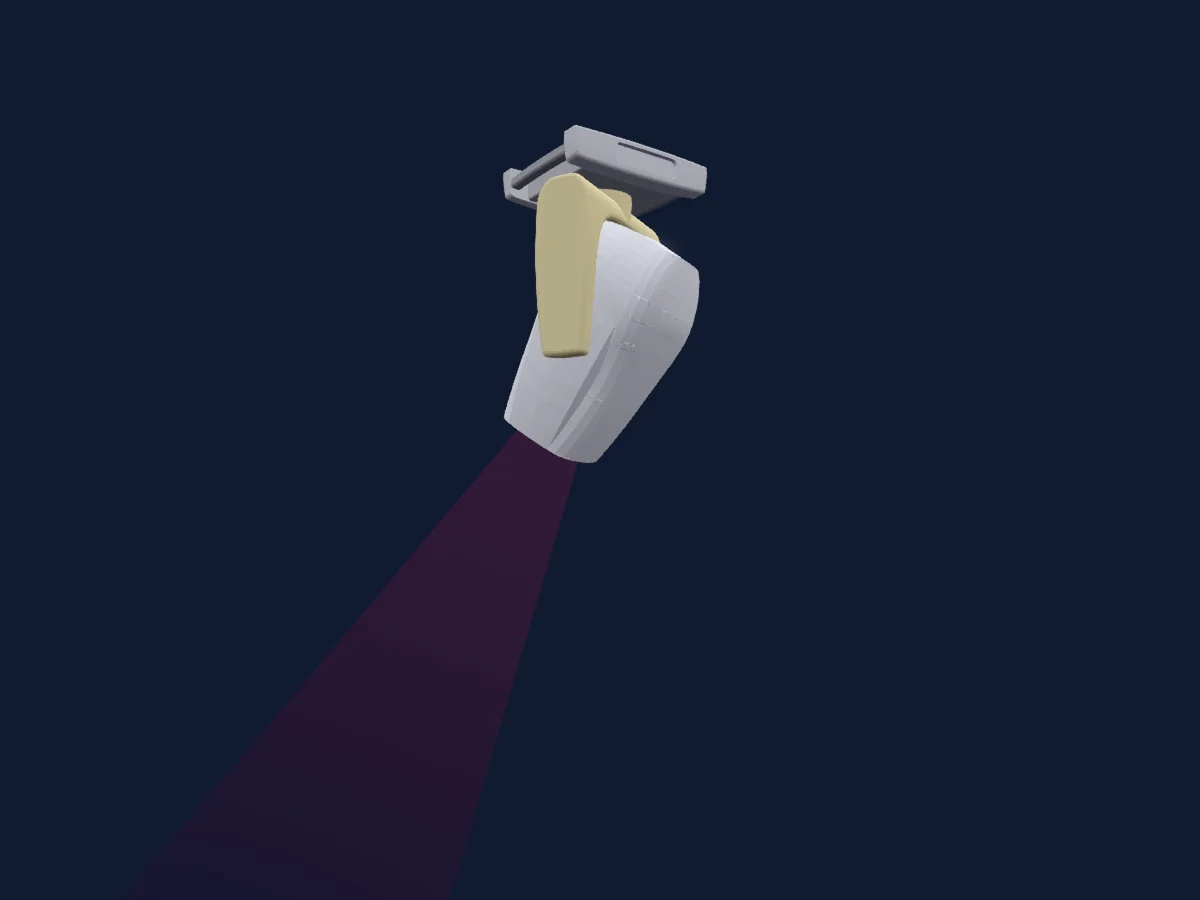
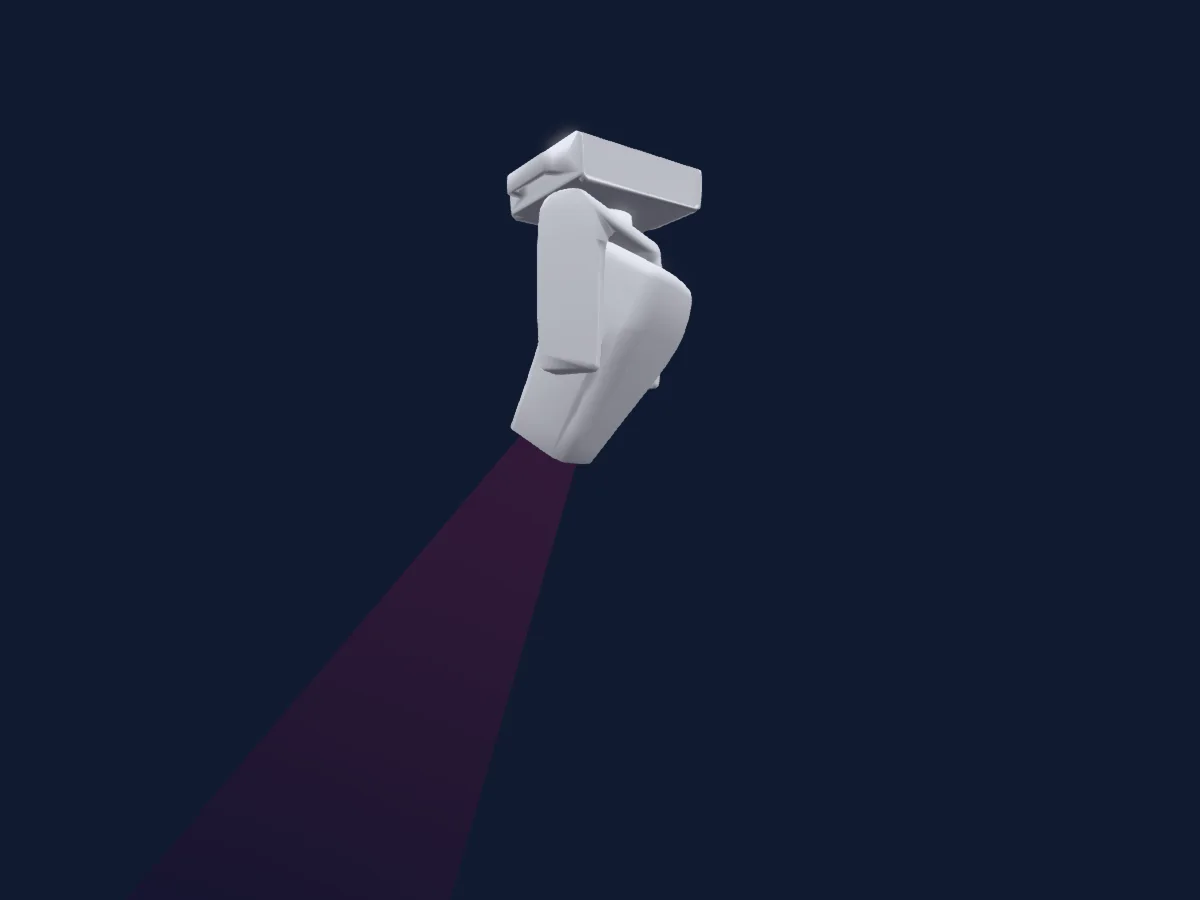
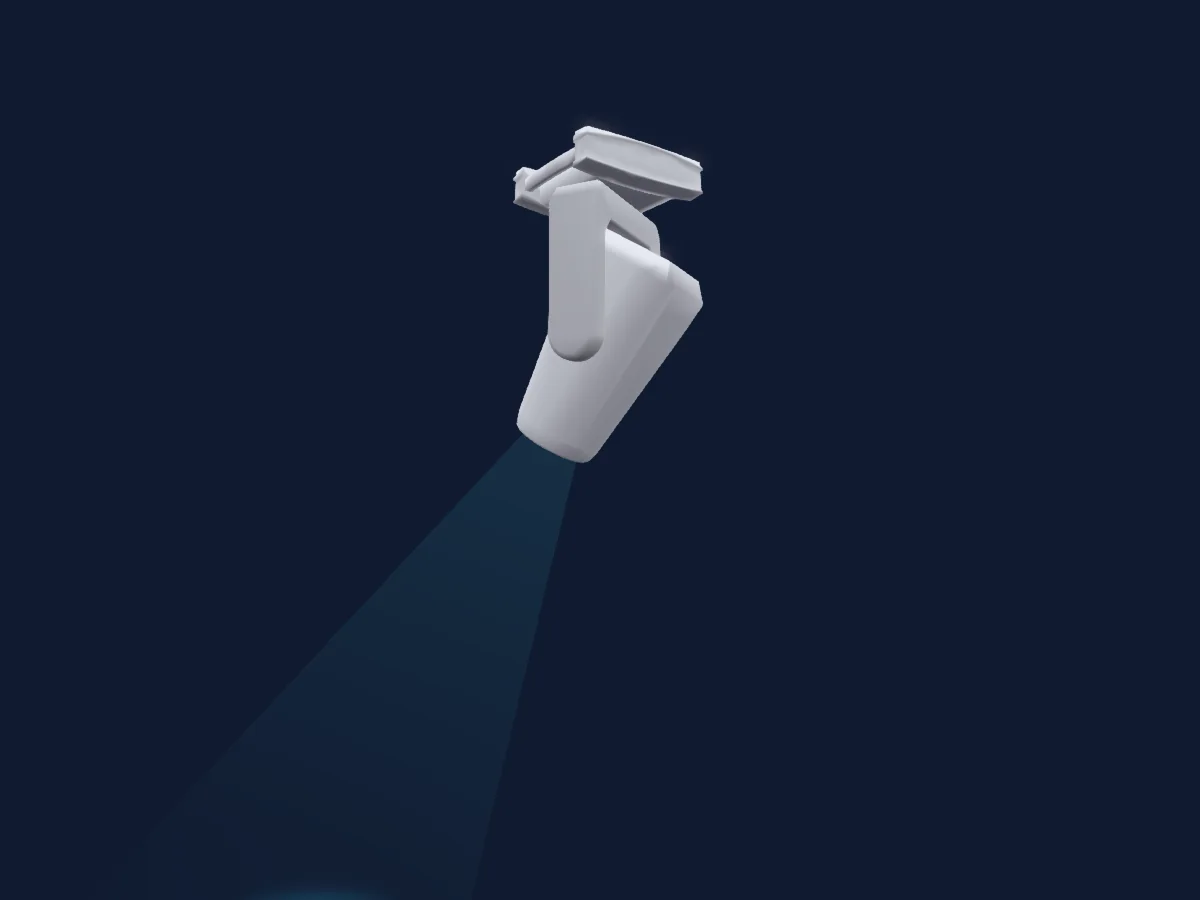
Clay Paky Axcor Spot 400 HC renderizado no HitLight

O que ele faz

  • Foco
  • Frost
  • Íris
  • Prisma
  • Rotação do prisma
  • Zoom
  • Mistura de cores CMY
  • Temperatura de cor
  • Roda de cores
  • Strobo
  • Dimmer
  • Roda de animação
  • Gobos
  • Rotação de gobos

Funções relevantes para a segurança: Reset do refletor · Funções de manutenção. Confira como elas se comportam no seu refletor antes de um show.

Modos DMX e tabelas de canais

Modos DMX de Clay Paky Axcor Spot 400 HC
ModoCanaisNo HitLight
Standard28Pronto no HitLight

Standard

Pronto no HitLight

28 canais DMX · Baixar esta tabela em CSV

Tabela de canais DMX de Standard
CanalFunçãoPadrãoValores DMX
1Cyan00–255
2Magenta00–255
3Yellow00–255
4C TO0
2 faixas de valores
  • 0–0 OFF
  • 1–255 CTO
5Color Wheel0
19 faixas de valores
  • 0–9 Open (wheel slot 1)
  • 10–18 White-Red (wheel slot 1)
  • 19–27 Dark Red (wheel slot 2)
  • 28–36 Red-Blue (wheel slot 2)
  • 37–45 Brilliant Blue (wheel slot 3)
  • 46–54 Blue-Green (wheel slot 3)
  • 55–63 Green (wheel slot 4)
  • 64–72 Green-HMG (wheel slot 4)
  • 73–81 HM Green (wheel slot 5)
  • 82–90 HMG-Orange (wheel slot 5)
  • 91–99 Light Orange (wheel slot 6)
  • 100–108 Orange-Blue (wheel slot 6)
  • 109–117 Navy Blue (wheel slot 7)
  • 118–127 Blue-White (wheel slot 7)
  • 128–153 x1 Spin C1>>
  • 154–178 x2 Spin C1>>
  • 179–204 x3 Spin C1>>
  • 205–229 x4 Spin C1>>
  • 230–255 x5 Spin C1>>
6Shutter / Strobe255
19 faixas de valores
  • 0–3 Closed
  • 4–23 Strobe · x1 Strb>> 1–5.61 Hz
  • 24–43 Strobe · x2 Strb>> 5.85–10.5 Hz
  • 44–63 Strobe · x3 Strb>> 10.7–15.3 Hz
  • 64–83 Strobe · x4 Strb>> 15.5–20.2 Hz
  • 84–103 Strobe · x5 Strb>> 20.4–25 Hz
  • 104–107 Open
  • 108–127 x1 PulseC>>
  • 128–147 x2 PulseC>>
  • 148–167 x3 PulseC>>
  • 168–187 x4 PulseC>>
  • 188–207 x5 PulseC>>
  • 208–212 Open
  • 213–220 Random · x1 RndStrb>> 1–5.42 Hz
  • 221–228 Random · x2 RndStrb>> 6.05–10.5 Hz
  • 229–235 Random · x3 RndStrb>> 11.1–14.9 Hz
  • 236–243 Random · x4 RndStrb>> 15.5–19.9 Hz
  • 244–251 Random · x5 RndStrb>> 20.6–25 Hz
  • 252–255 Open
7Dimmer0
2 faixas de valores
  • 0–254 Closed
  • 255–255 Open
8Dimmer Fine0Byte fino de Dimmer
9Iris131
21 faixas de valores
  • 0–32 Iris C
  • 33–64 Iris 25%
  • 65–97 Iris 50%
  • 98–130 Iris 75%
  • 131–131 Iris O
  • 132–139 x1 PlsIris>>
  • 140–147 x2 PlsIris>>
  • 148–155 x3 PlsIris>>
  • 156–163 x4 PlsIris>>
  • 164–171 x5 PlsIris>>
  • 172–179 x1 PlsIrisC>>
  • 180–187 x2 PlsIrisC>>
  • 188–195 x3 PlsIrisC>>
  • 196–203 x4 PlsIrisC>>
  • 204–211 x5 PlsIrisC>>
  • 212–219 x1 PlsIrisO>>
  • 220–227 x2 PlsIrisO>>
  • 228–235 x3 PlsIrisO>>
  • 236–243 x4 PlsIrisO>>
  • 244–251 x5 PlsIrisO>>
  • 252–255 Iris O
10Gobo0
18 faixas de valores
  • 0–8 Open 1 (wheel slot 1)
  • 9–17 Small Dots (wheel slot 2)
  • 18–26 Plumens (wheel slot 3)
  • 27–35 Clouds V2 (wheel slot 4)
  • 36–44 Half Circle (wheel slot 5)
  • 45–53 Oak Tree (wheel slot 6)
  • 54–62 Water Lines (wheel slot 7)
  • 63–71 Broken Circle (wheel slot 8)
  • 72–113 Spin G1<<
  • 114–117 Spin G1><
  • 118–159 Spin G1>>
  • 160–173 Shake 1-1>> (wheel slot 2)
  • 174–187 Shake 1-2>> (wheel slot 3)
  • 188–200 Shake 1-3>> (wheel slot 4)
  • 201–214 Shake 1-4>> (wheel slot 5)
  • 215–227 Shake 1-5>> (wheel slot 6)
  • 228–241 Shake 1-6>> (wheel slot 7)
  • 242–255 Shake 1-7>> (wheel slot 8)
11Gobo Rotation192
18 faixas de valores
  • 0–20 0 deg
  • 21–41 90 deg
  • 42–62 180 deg
  • 63–84 270 deg
  • 85–105 360 deg
  • 106–126 450 deg
  • 127–127 540 deg
  • 128–139 x5 Rot G1<<
  • 140–152 x4 Rot G1<<
  • 153–164 x3 Rot G1<<
  • 165–177 x2 Rot G1<<
  • 178–190 x1 Rot G1<<
  • 191–192 Rot G1><
  • 193–204 x1 Rot G1>>
  • 205–217 x2 Rot G1>>
  • 218–229 x3 Rot G1>>
  • 230–242 x4 Rot G1>>
  • 243–255 x5 Rot G1>>
12Gobo Rotation Fine0Byte fino de Gobo Rotation
13Gobo 20
18 faixas de valores
  • 0–8 Open (wheel slot 1)
  • 9–17 Gobo 1 (wheel slot 2)
  • 18–26 Gobo 2 (wheel slot 3)
  • 27–35 Gobo 3 (wheel slot 4)
  • 36–44 Gobo 4 (wheel slot 5)
  • 45–53 Gobo 5 (wheel slot 6)
  • 54–62 Gobo 6 (wheel slot 7)
  • 63–71 Gobo 7 (wheel slot 8)
  • 72–113 Spin G1<<
  • 114–117 Spin G1><
  • 118–159 Spin G1>>
  • 160–173 Shake 1-1>> (wheel slot 2)
  • 174–187 Shake 1-2>> (wheel slot 3)
  • 188–200 Shake 1-3>> (wheel slot 4)
  • 201–214 Shake 1-4>> (wheel slot 5)
  • 215–227 Shake 1-5>> (wheel slot 6)
  • 228–241 Shake 1-6>> (wheel slot 7)
  • 242–255 Shake 1-7>> (wheel slot 8)
14Gobo Rotation 2192
18 faixas de valores
  • 0–20 0 deg
  • 21–41 90 deg
  • 42–62 180 deg
  • 63–84 270 deg
  • 85–105 360 deg
  • 106–126 450 deg
  • 127–127 540 deg
  • 128–139 x5 Rot G1<<
  • 140–152 x4 Rot G1<<
  • 153–164 x3 Rot G1<<
  • 165–177 x2 Rot G1<<
  • 178–190 x1 Rot G1<<
  • 191–192 Rot G1><
  • 193–204 x1 Rot G1>>
  • 205–217 x2 Rot G1>>
  • 218–229 x3 Rot G1>>
  • 230–242 x4 Rot G1>>
  • 243–255 x5 Rot G1>>
15Gobo Rotation 2 Fine0Byte fino de Gobo Rotation 2
16Prism0
2 faixas de valores
  • 0–127 No Prism (wheel slot 1)
  • 128–255 4 Facet Prism (wheel slot 2)
17Prism Rotation192
18 faixas de valores
  • 0–20 0 deg
  • 21–41 90 deg
  • 42–63 180 deg
  • 64–84 270 deg
  • 85–105 360 deg
  • 106–126 450 deg
  • 127–127 540 deg
  • 128–140 x5 Rot P1<<
  • 141–152 x4 Rot P1<<
  • 153–165 x3 Rot P1<<
  • 166–177 x2 Rot P1<<
  • 178–190 x1 Rot P1<<
  • 191–192 Rot P1><
  • 193–205 x1 Rot P1>>
  • 206–217 x2 Rot P1>>
  • 218–230 x3 Rot P1>>
  • 231–242 x4 Rot P1>>
  • 243–255 x5 Rot P1>>
18Animation Wheel10
2 faixas de valores
  • 0–0 No Animation (wheel slot 1)
  • 1–255 Animation>> (wheel slot 2)
19Animation Wheel1Pos128
10 faixas de valores
  • 0–25 x1 Rot A1<<
  • 26–51 x2 Rot A1<<
  • 52–76 x3 Rot A1<<
  • 77–102 x4 Rot A1<<
  • 103–127 x5 Rot A1<<
  • 128–153 x1 Rot A1>>
  • 154–178 x2 Rot A1>>
  • 179–204 x3 Rot A1>>
  • 205–229 x4 Rot A1>>
  • 230–255 x5 Rot A1>>
20Frost10
2 faixas de valores
  • 0–254 No Frost
  • 255–255 Frost
21Focus1280–255
22Zoom128
2 faixas de valores
  • 0–254 Narrow
  • 255–255 Wide
23Pan1280–255
24Pan Fine0Byte fino de Pan
25Tilt1280–255
26Tilt Fine0Byte fino de Tilt
27Fixture Global Reset0
4 faixas de valores
  • 0–25 No Function
  • 26–76 Effect Reset
  • 77–127 Position Reset
  • 128–255 Reset
28Function0
24 faixas de valores
  • 0–10 No Function
  • 11–20 600Hz
  • 21–30 1200Hz
  • 31–40 2000Hz
  • 41–50 4000Hz
  • 51–60 8000Hz
  • 61–70 16000Hz
  • 71–80 24000Hz
  • 81–90 Fan Auto
  • 91–95 Fan SLN
  • 96–100 Fan Theatre
  • 101–110 Fan Contest
  • 111–120 Slow Pan/Tilt
  • 121–130 Medium Pan/Tilt
  • 131–140 Fast Pan/Tilt
  • 141–150 CMY Normal
  • 151–160 CMY Fast
  • 161–170 Display OFF
  • 171–180 Display ON
  • 181–190 Curve 1
  • 191–200 Curve 2
  • 201–210 Curve 3
  • 211–220 Curve 4
  • 221–255 No Function

Usar Clay Paky Axcor Spot 400 HC no HitLight

  1. Abra Adicionar refletor e procure Clay Paky Axcor Spot 400 HC.
  2. Escolha o modo DMX configurado no menu do próprio refletor. O HitLight atribui a ele o menor endereço inicial livre do universo que comporta a quantidade de canais do modo.
  3. Confira o modo e os controles no seu refletor real antes de usar ao vivo.

As tabelas vêm da descrição GDTF do refletor, convertida para a biblioteca do HitLight. O HitLight não tem vínculo com a Clay Paky.

Faça o patch e deixe a música comandar as luzes.

O HitLight encontra esses refletores na biblioteca, faz o patch no próximo endereço livre e mostra seu rig em 3D antes de você ligar uma única luz.

Abrir HitLight ↗Baixar o HitLight