Aller au contenu
HitLight
Clay Paky · Découpe

Clay Paky Axcor Spot 400 HC

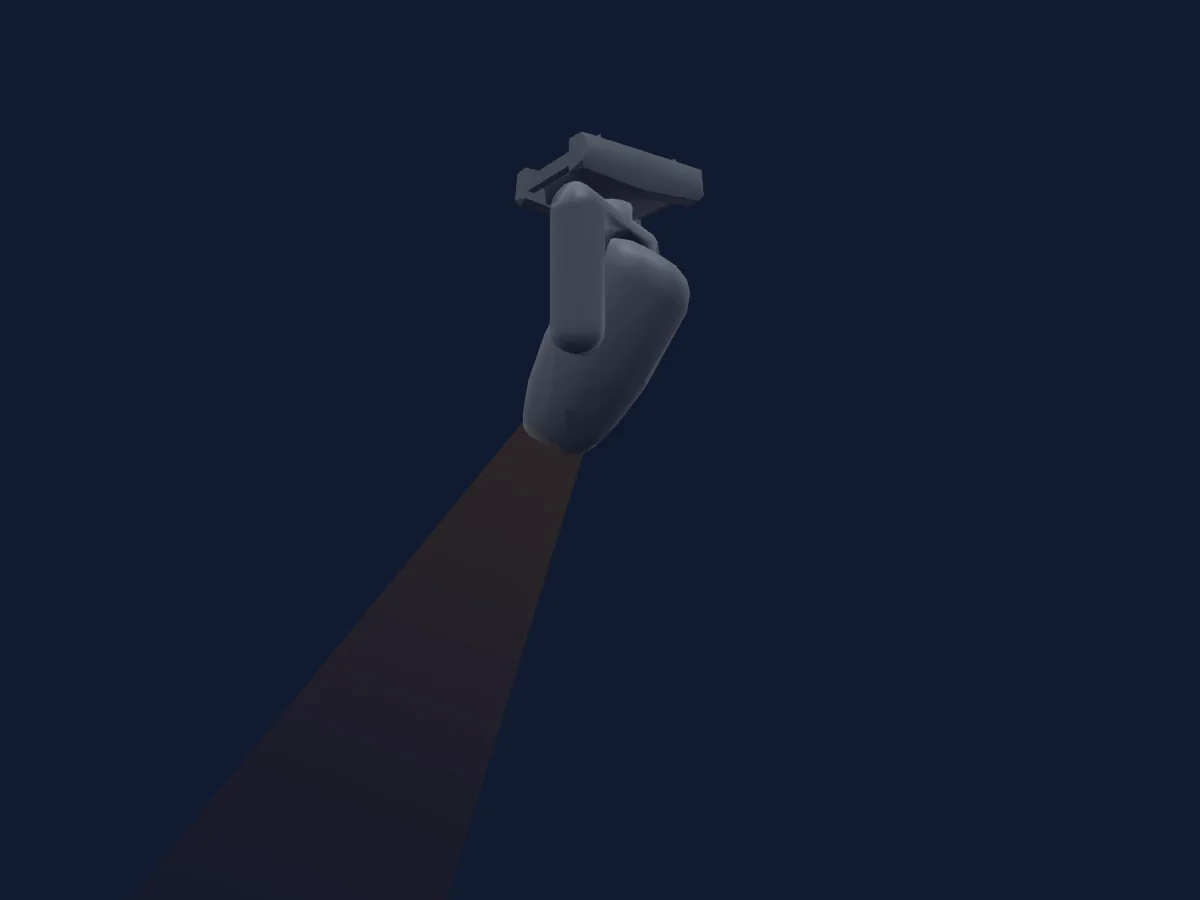
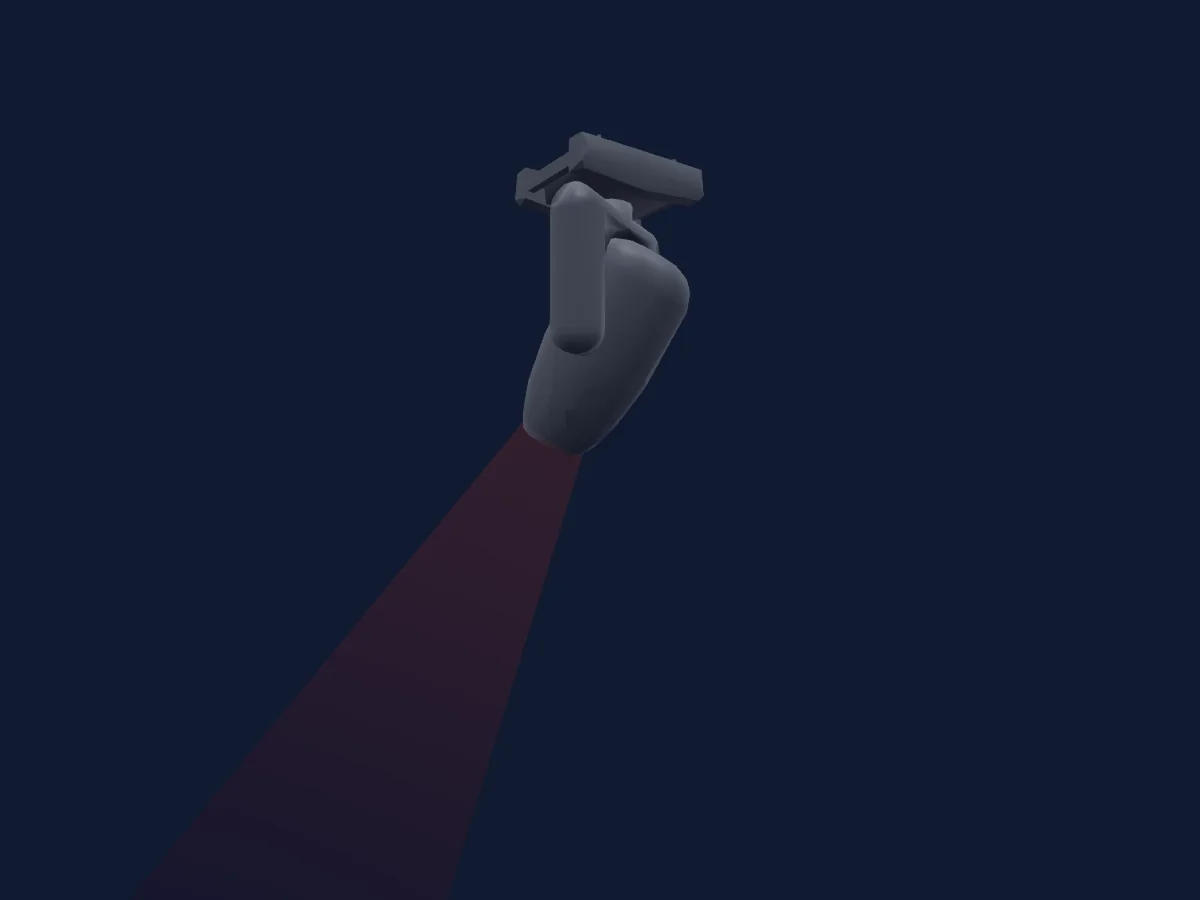
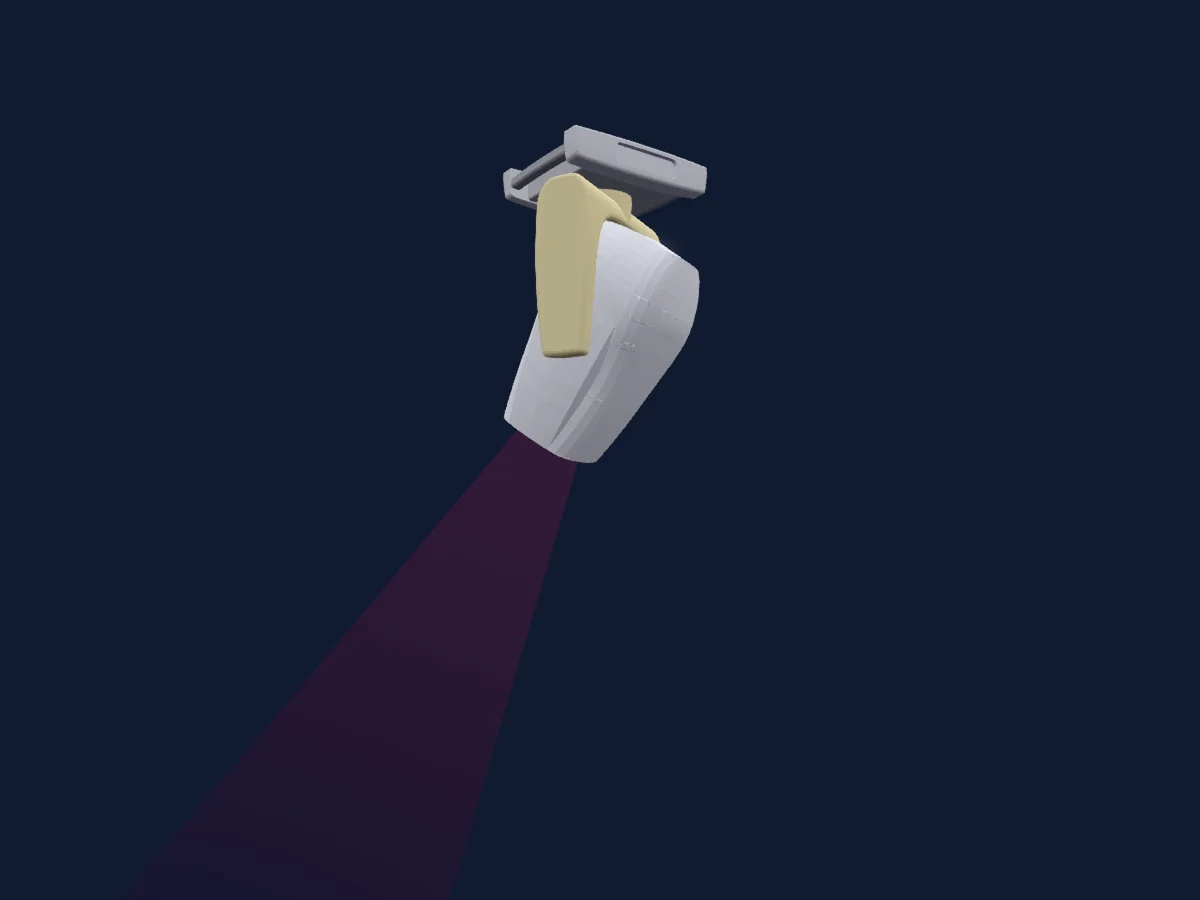
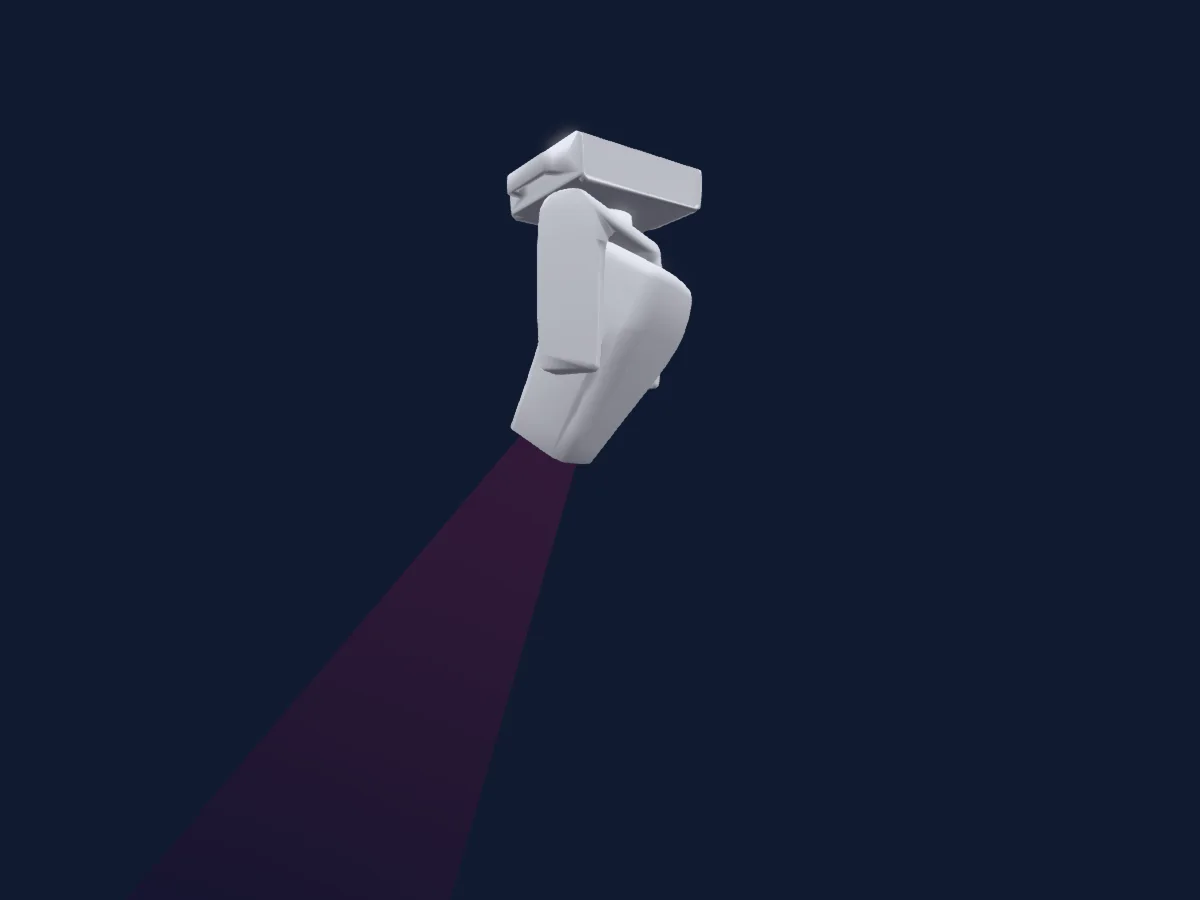
Tableau DMX, 1 mode DMX et aperçu 3D. 28 canaux DMX.
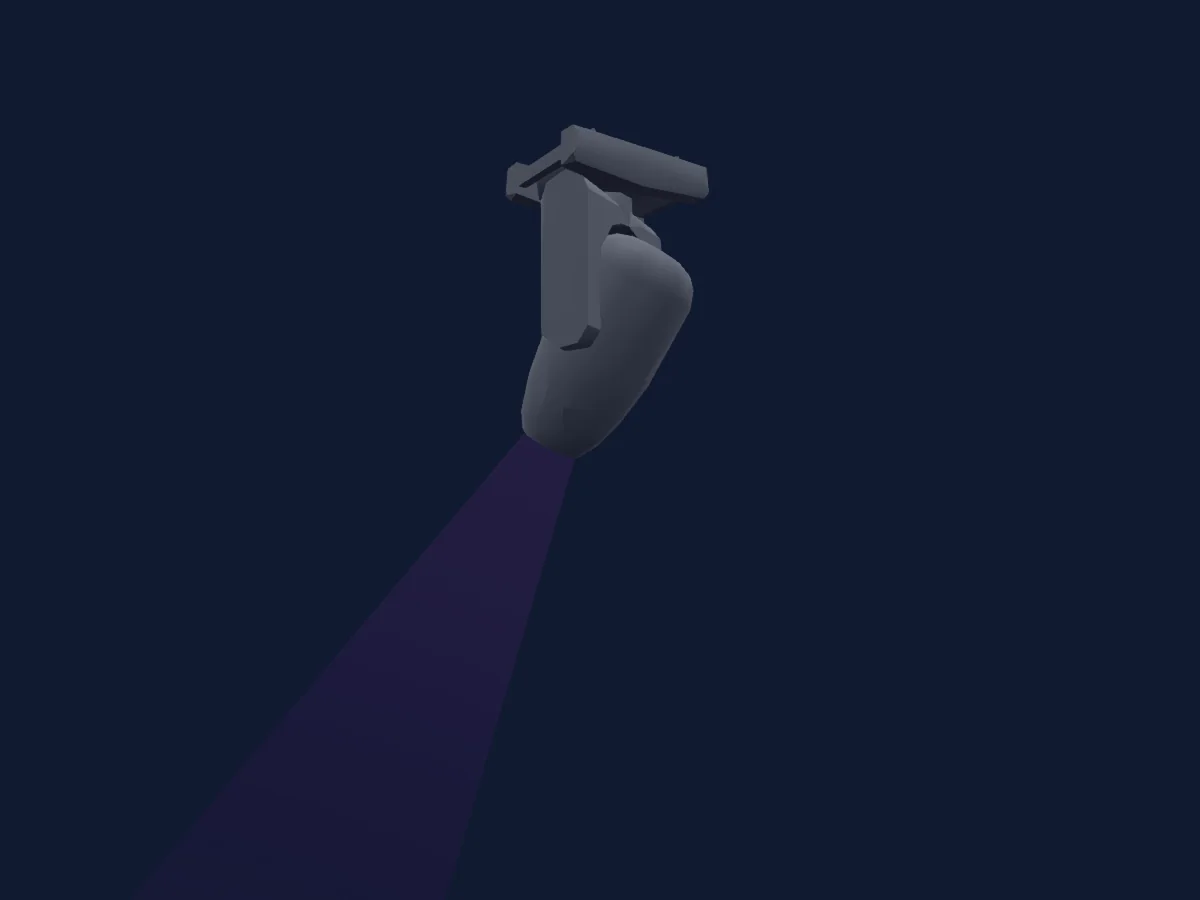
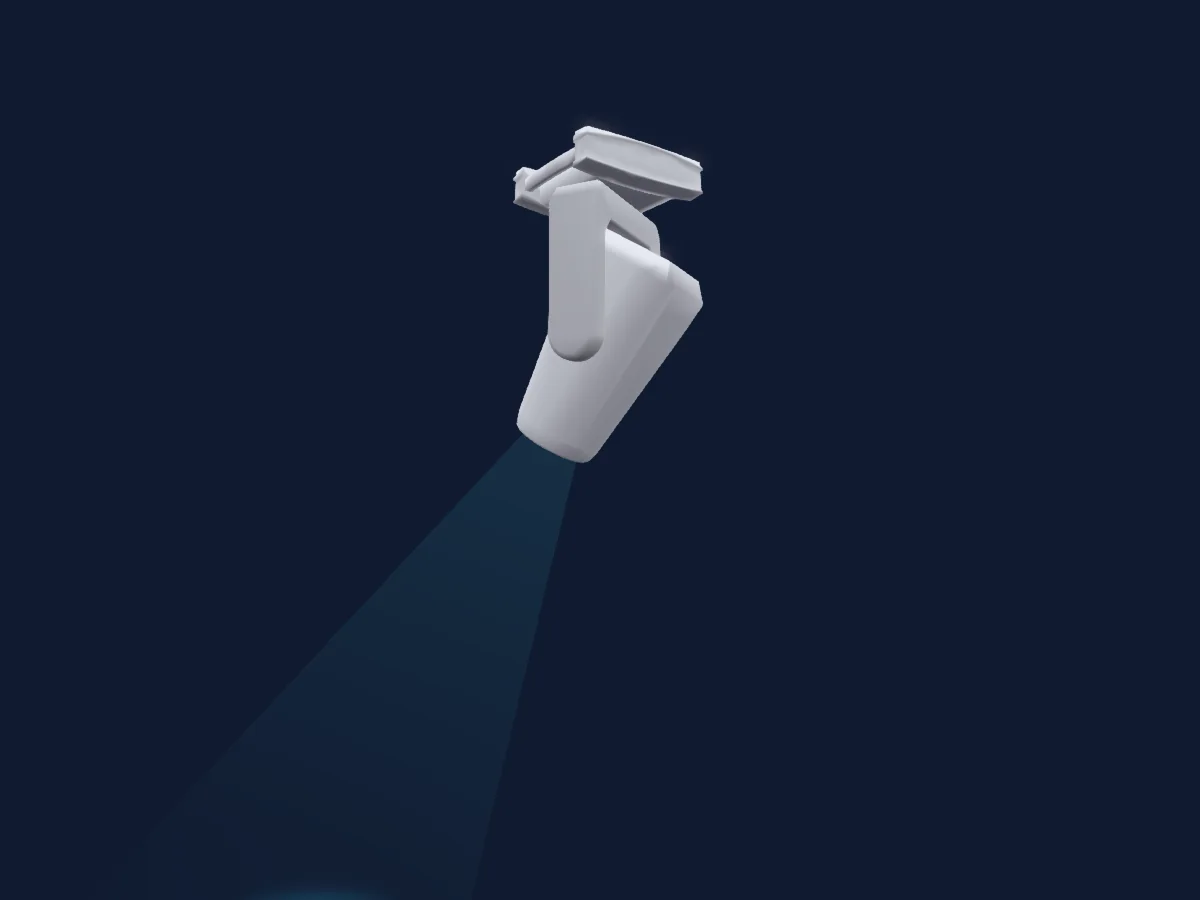
Clay Paky Axcor Spot 400 HC rendu dans HitLight

Ce qu’il sait faire

  • Mise au point
  • Frost
  • Iris
  • Prisme
  • Rotation du prisme
  • Zoom
  • Mélange de couleurs CMJ
  • Température de couleur
  • Roue de couleurs
  • Stroboscope
  • Intensité
  • Roue d’animation
  • Gobos
  • Rotation des gobos

Fonctions liées à la sécurité: Réinitialisation du projecteur · Fonctions de maintenance. Vérifiez leur comportement sur votre propre projecteur avant un spectacle.

Modes DMX et tableaux de canaux

Modes DMX de Clay Paky Axcor Spot 400 HC
ModeCanauxDans HitLight
Standard28Prêt dans HitLight

Standard

Prêt dans HitLight

28 canaux DMX · Télécharger ce tableau en CSV

Tableau des canaux DMX de Standard
CanalFonctionPar défautValeurs DMX
1Cyan00–255
2Magenta00–255
3Yellow00–255
4C TO0
2 plages de valeurs
  • 0–0 OFF
  • 1–255 CTO
5Color Wheel0
19 plages de valeurs
  • 0–9 Open (wheel slot 1)
  • 10–18 White-Red (wheel slot 1)
  • 19–27 Dark Red (wheel slot 2)
  • 28–36 Red-Blue (wheel slot 2)
  • 37–45 Brilliant Blue (wheel slot 3)
  • 46–54 Blue-Green (wheel slot 3)
  • 55–63 Green (wheel slot 4)
  • 64–72 Green-HMG (wheel slot 4)
  • 73–81 HM Green (wheel slot 5)
  • 82–90 HMG-Orange (wheel slot 5)
  • 91–99 Light Orange (wheel slot 6)
  • 100–108 Orange-Blue (wheel slot 6)
  • 109–117 Navy Blue (wheel slot 7)
  • 118–127 Blue-White (wheel slot 7)
  • 128–153 x1 Spin C1>>
  • 154–178 x2 Spin C1>>
  • 179–204 x3 Spin C1>>
  • 205–229 x4 Spin C1>>
  • 230–255 x5 Spin C1>>
6Shutter / Strobe255
19 plages de valeurs
  • 0–3 Closed
  • 4–23 Strobe · x1 Strb>> 1–5.61 Hz
  • 24–43 Strobe · x2 Strb>> 5.85–10.5 Hz
  • 44–63 Strobe · x3 Strb>> 10.7–15.3 Hz
  • 64–83 Strobe · x4 Strb>> 15.5–20.2 Hz
  • 84–103 Strobe · x5 Strb>> 20.4–25 Hz
  • 104–107 Open
  • 108–127 x1 PulseC>>
  • 128–147 x2 PulseC>>
  • 148–167 x3 PulseC>>
  • 168–187 x4 PulseC>>
  • 188–207 x5 PulseC>>
  • 208–212 Open
  • 213–220 Random · x1 RndStrb>> 1–5.42 Hz
  • 221–228 Random · x2 RndStrb>> 6.05–10.5 Hz
  • 229–235 Random · x3 RndStrb>> 11.1–14.9 Hz
  • 236–243 Random · x4 RndStrb>> 15.5–19.9 Hz
  • 244–251 Random · x5 RndStrb>> 20.6–25 Hz
  • 252–255 Open
7Dimmer0
2 plages de valeurs
  • 0–254 Closed
  • 255–255 Open
8Dimmer Fine0Octet fin de Dimmer
9Iris131
21 plages de valeurs
  • 0–32 Iris C
  • 33–64 Iris 25%
  • 65–97 Iris 50%
  • 98–130 Iris 75%
  • 131–131 Iris O
  • 132–139 x1 PlsIris>>
  • 140–147 x2 PlsIris>>
  • 148–155 x3 PlsIris>>
  • 156–163 x4 PlsIris>>
  • 164–171 x5 PlsIris>>
  • 172–179 x1 PlsIrisC>>
  • 180–187 x2 PlsIrisC>>
  • 188–195 x3 PlsIrisC>>
  • 196–203 x4 PlsIrisC>>
  • 204–211 x5 PlsIrisC>>
  • 212–219 x1 PlsIrisO>>
  • 220–227 x2 PlsIrisO>>
  • 228–235 x3 PlsIrisO>>
  • 236–243 x4 PlsIrisO>>
  • 244–251 x5 PlsIrisO>>
  • 252–255 Iris O
10Gobo0
18 plages de valeurs
  • 0–8 Open 1 (wheel slot 1)
  • 9–17 Small Dots (wheel slot 2)
  • 18–26 Plumens (wheel slot 3)
  • 27–35 Clouds V2 (wheel slot 4)
  • 36–44 Half Circle (wheel slot 5)
  • 45–53 Oak Tree (wheel slot 6)
  • 54–62 Water Lines (wheel slot 7)
  • 63–71 Broken Circle (wheel slot 8)
  • 72–113 Spin G1<<
  • 114–117 Spin G1><
  • 118–159 Spin G1>>
  • 160–173 Shake 1-1>> (wheel slot 2)
  • 174–187 Shake 1-2>> (wheel slot 3)
  • 188–200 Shake 1-3>> (wheel slot 4)
  • 201–214 Shake 1-4>> (wheel slot 5)
  • 215–227 Shake 1-5>> (wheel slot 6)
  • 228–241 Shake 1-6>> (wheel slot 7)
  • 242–255 Shake 1-7>> (wheel slot 8)
11Gobo Rotation192
18 plages de valeurs
  • 0–20 0 deg
  • 21–41 90 deg
  • 42–62 180 deg
  • 63–84 270 deg
  • 85–105 360 deg
  • 106–126 450 deg
  • 127–127 540 deg
  • 128–139 x5 Rot G1<<
  • 140–152 x4 Rot G1<<
  • 153–164 x3 Rot G1<<
  • 165–177 x2 Rot G1<<
  • 178–190 x1 Rot G1<<
  • 191–192 Rot G1><
  • 193–204 x1 Rot G1>>
  • 205–217 x2 Rot G1>>
  • 218–229 x3 Rot G1>>
  • 230–242 x4 Rot G1>>
  • 243–255 x5 Rot G1>>
12Gobo Rotation Fine0Octet fin de Gobo Rotation
13Gobo 20
18 plages de valeurs
  • 0–8 Open (wheel slot 1)
  • 9–17 Gobo 1 (wheel slot 2)
  • 18–26 Gobo 2 (wheel slot 3)
  • 27–35 Gobo 3 (wheel slot 4)
  • 36–44 Gobo 4 (wheel slot 5)
  • 45–53 Gobo 5 (wheel slot 6)
  • 54–62 Gobo 6 (wheel slot 7)
  • 63–71 Gobo 7 (wheel slot 8)
  • 72–113 Spin G1<<
  • 114–117 Spin G1><
  • 118–159 Spin G1>>
  • 160–173 Shake 1-1>> (wheel slot 2)
  • 174–187 Shake 1-2>> (wheel slot 3)
  • 188–200 Shake 1-3>> (wheel slot 4)
  • 201–214 Shake 1-4>> (wheel slot 5)
  • 215–227 Shake 1-5>> (wheel slot 6)
  • 228–241 Shake 1-6>> (wheel slot 7)
  • 242–255 Shake 1-7>> (wheel slot 8)
14Gobo Rotation 2192
18 plages de valeurs
  • 0–20 0 deg
  • 21–41 90 deg
  • 42–62 180 deg
  • 63–84 270 deg
  • 85–105 360 deg
  • 106–126 450 deg
  • 127–127 540 deg
  • 128–139 x5 Rot G1<<
  • 140–152 x4 Rot G1<<
  • 153–164 x3 Rot G1<<
  • 165–177 x2 Rot G1<<
  • 178–190 x1 Rot G1<<
  • 191–192 Rot G1><
  • 193–204 x1 Rot G1>>
  • 205–217 x2 Rot G1>>
  • 218–229 x3 Rot G1>>
  • 230–242 x4 Rot G1>>
  • 243–255 x5 Rot G1>>
15Gobo Rotation 2 Fine0Octet fin de Gobo Rotation 2
16Prism0
2 plages de valeurs
  • 0–127 No Prism (wheel slot 1)
  • 128–255 4 Facet Prism (wheel slot 2)
17Prism Rotation192
18 plages de valeurs
  • 0–20 0 deg
  • 21–41 90 deg
  • 42–63 180 deg
  • 64–84 270 deg
  • 85–105 360 deg
  • 106–126 450 deg
  • 127–127 540 deg
  • 128–140 x5 Rot P1<<
  • 141–152 x4 Rot P1<<
  • 153–165 x3 Rot P1<<
  • 166–177 x2 Rot P1<<
  • 178–190 x1 Rot P1<<
  • 191–192 Rot P1><
  • 193–205 x1 Rot P1>>
  • 206–217 x2 Rot P1>>
  • 218–230 x3 Rot P1>>
  • 231–242 x4 Rot P1>>
  • 243–255 x5 Rot P1>>
18Animation Wheel10
2 plages de valeurs
  • 0–0 No Animation (wheel slot 1)
  • 1–255 Animation>> (wheel slot 2)
19Animation Wheel1Pos128
10 plages de valeurs
  • 0–25 x1 Rot A1<<
  • 26–51 x2 Rot A1<<
  • 52–76 x3 Rot A1<<
  • 77–102 x4 Rot A1<<
  • 103–127 x5 Rot A1<<
  • 128–153 x1 Rot A1>>
  • 154–178 x2 Rot A1>>
  • 179–204 x3 Rot A1>>
  • 205–229 x4 Rot A1>>
  • 230–255 x5 Rot A1>>
20Frost10
2 plages de valeurs
  • 0–254 No Frost
  • 255–255 Frost
21Focus1280–255
22Zoom128
2 plages de valeurs
  • 0–254 Narrow
  • 255–255 Wide
23Pan1280–255
24Pan Fine0Octet fin de Pan
25Tilt1280–255
26Tilt Fine0Octet fin de Tilt
27Fixture Global Reset0
4 plages de valeurs
  • 0–25 No Function
  • 26–76 Effect Reset
  • 77–127 Position Reset
  • 128–255 Reset
28Function0
24 plages de valeurs
  • 0–10 No Function
  • 11–20 600Hz
  • 21–30 1200Hz
  • 31–40 2000Hz
  • 41–50 4000Hz
  • 51–60 8000Hz
  • 61–70 16000Hz
  • 71–80 24000Hz
  • 81–90 Fan Auto
  • 91–95 Fan SLN
  • 96–100 Fan Theatre
  • 101–110 Fan Contest
  • 111–120 Slow Pan/Tilt
  • 121–130 Medium Pan/Tilt
  • 131–140 Fast Pan/Tilt
  • 141–150 CMY Normal
  • 151–160 CMY Fast
  • 161–170 Display OFF
  • 171–180 Display ON
  • 181–190 Curve 1
  • 191–200 Curve 2
  • 201–210 Curve 3
  • 211–220 Curve 4
  • 221–255 No Function

Utiliser Clay Paky Axcor Spot 400 HC dans HitLight

  1. Ouvrez Ajouter un projecteur et recherchez Clay Paky Axcor Spot 400 HC.
  2. Choisissez le mode DMX réglé dans le menu du projecteur. HitLight lui attribue la plus basse adresse de départ libre de son univers qui peut accueillir le nombre de canaux du mode.
  3. Vérifiez le mode et les commandes sur votre vrai projecteur avant toute utilisation en direct.

Les tableaux proviennent de la description GDTF du projecteur, convertie pour la bibliothèque HitLight. HitLight n’a aucun lien avec Clay Paky.

Patchez-le, puis laissez la musique piloter la lumière.

HitLight trouve ces projecteurs dans sa bibliothèque, les patche sur la prochaine adresse libre et affiche votre installation en 3D avant même de brancher une seule lumière.

Ouvrir HitLight ↗Télécharger HitLight