 HitLight
High End Systems SolaFrame 3000
DMX-Tabelle, 1 DMX-Modus und eine 3D-Vorschau. 49 DMX-Kanäle.
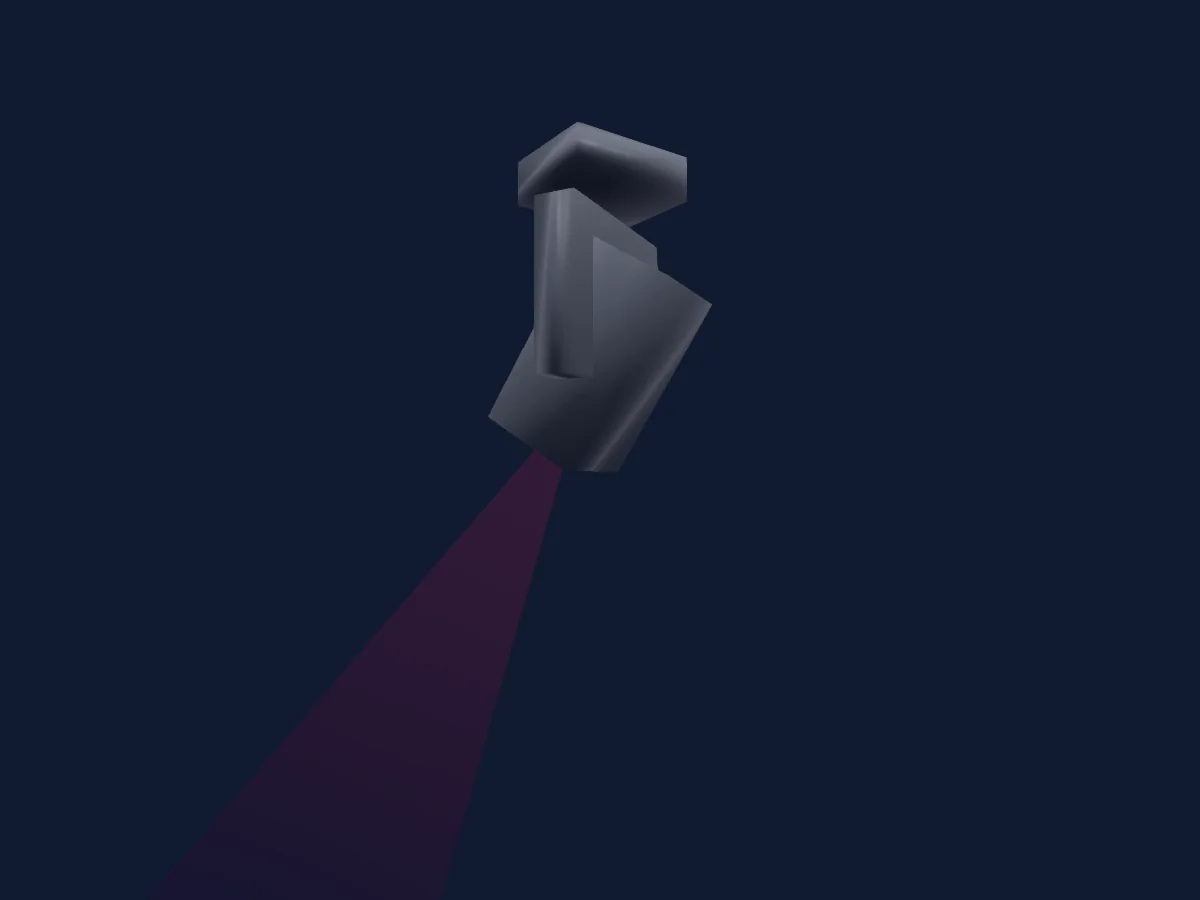
Was er kann
- Fokus
- Frost
- Iris
- Prisma
- Prismenrotation
- Zoom
- CMY-Farbmischung
- Farbtemperatur
- Farbrad
- Effektgeschwindigkeit
- Strobe
- Dimmer
- Pan und Tilt
- Animationsrad
- Gobos
- Gobo-Rotation
Sicherheitsrelevante Funktionen: Scheinwerfer-Reset · Servicefunktionen · Strobe · Eingebaute Effektprogramme. Prüfe vor einer Show, wie sie sich an deinem eigenen Scheinwerfer verhalten.
DMX-Modi und Kanaltabellen
| Modus | Kanäle | In HitLight |
|---|---|---|
| Standard | 49 | Bereit in HitLight |
Standard
Bereit in HitLight49 DMX-Kanäle · Diese Tabelle als CSV herunterladen
| Kanal | Funktion | Standard | DMX-Werte |
|---|---|---|---|
| 1 | Pan | 128 | 0–255 |
| 2 | Pan Fine | 0 | Feinbyte von Pan |
| 3 | Tilt | 128 | 0–255 |
| 4 | Tilt Fine | 0 | Feinbyte von Tilt |
| 5 | Color Mix Mode | 0 | 4 Wertebereiche
|
| 6 | Cyan | 255 | 0–255 |
| 7 | Magenta | 255 | 0–255 |
| 8 | Yellow | 255 | 0–255 |
| 9 | C TO | 255 | 0–255 |
| 10 | Color1Mode | 48 | 7 Wertebereiche
|
| 11 | Color Wheel | 0 | 18 Wertebereiche
|
| 12 | Gobo1Wheel Mode | 0 | 6 Wertebereiche
|
| 13 | Gobo | 0 | 9 Wertebereiche
|
| 14 | Gobo1Select Spin | 0 | 6 Wertebereiche
|
| 15 | Gobo Rotation | 127 | 0–255 |
| 16 | Gobo Rotation Fine | 255 | Feinbyte von Gobo Rotation |
| 17 | Gobo2Wheel Mode | 0 | 6 Wertebereiche
|
| 18 | Gobo 2 | 0 | 10 Wertebereiche
|
| 19 | Blade1A | 0 | 2 Wertebereiche
|
| 20 | Blade1B | 0 | 2 Wertebereiche
|
| 21 | Blade2A | 0 | 2 Wertebereiche
|
| 22 | Blade2B | 0 | 2 Wertebereiche
|
| 23 | Blade3A | 0 | 2 Wertebereiche
|
| 24 | Blade3B | 0 | 2 Wertebereiche
|
| 25 | Blade4A | 0 | 2 Wertebereiche
|
| 26 | Blade4B | 0 | 2 Wertebereiche
|
| 27 | Shaper Rot | 127 | 3 Wertebereiche
|
| 28 | Shaper Rot Fine | 255 | Feinbyte von Shaper Rot |
| 29 | Animation Wheel1 | 0 | 4 Wertebereiche
|
| 30 | Prism | 0 | 5 Wertebereiche
|
| 31 | Prism Rotation | 127 | 0–255 |
| 32 | Prism Rotation Fine | 255 | Feinbyte von Prism Rotation |
| 33 | Frost1 | 0 | 6 Wertebereiche
|
| 34 | Focus | 127 | 0–255 |
| 35 | Focus Fine | 255 | Feinbyte von Focus |
| 36 | Zoom | 127 | 2 Wertebereiche
|
| 37 | Zoom Fine | 255 | Feinbyte von Zoom |
| 38 | Focus1Adjust | 0 | 4 Wertebereiche
|
| 39 | Focus1Adjust Fine | 0 | Feinbyte von Focus1Adjust |
| 40 | Iris | 255 | 2 Wertebereiche
|
| 41 | Strobe Mode | 0 | 4 Wertebereiche
|
| 42 | Shutter / Strobe | 255 | 3 Wertebereiche
|
| 43 | Dimmer | 0 | 2 Wertebereiche
|
| 44 | Dimmer Fine | 0 | Feinbyte von Dimmer |
| 45 | Effect | 0 | 0–255 |
| 46 | Effect Speed | 0 | 0–255 |
| 47 | Effects1Fade | 0 | 0–255 |
| 48 | Global MSpeed | 0 | 2 Wertebereiche
|
| 49 | Control1 | 0 | 21 Wertebereiche
|
High End Systems SolaFrame 3000 in HitLight verwenden
- Öffne Scheinwerfer hinzufügen und suche nach High End Systems SolaFrame 3000.
- Wähle den DMX-Modus, der im Menü des Scheinwerfers eingestellt ist. HitLight gibt ihm die niedrigste freie Startadresse in seinem Universum, die zur Kanalzahl des Modus passt.
- Prüfe Modus und Steuerung an deinem echten Scheinwerfer, bevor du ihn live einsetzt.
Ähnliche Scheinwerfer
Profilscheinwerfer
High End Systems Solaframe Theater
47 DMX-Kanäle
Profilscheinwerfer
High End Systems SolaSpot 2000
43 DMX-Kanäle
Profilscheinwerfer
High End Systems SolaSpot 1000
28 / 39 DMX-Kanäle
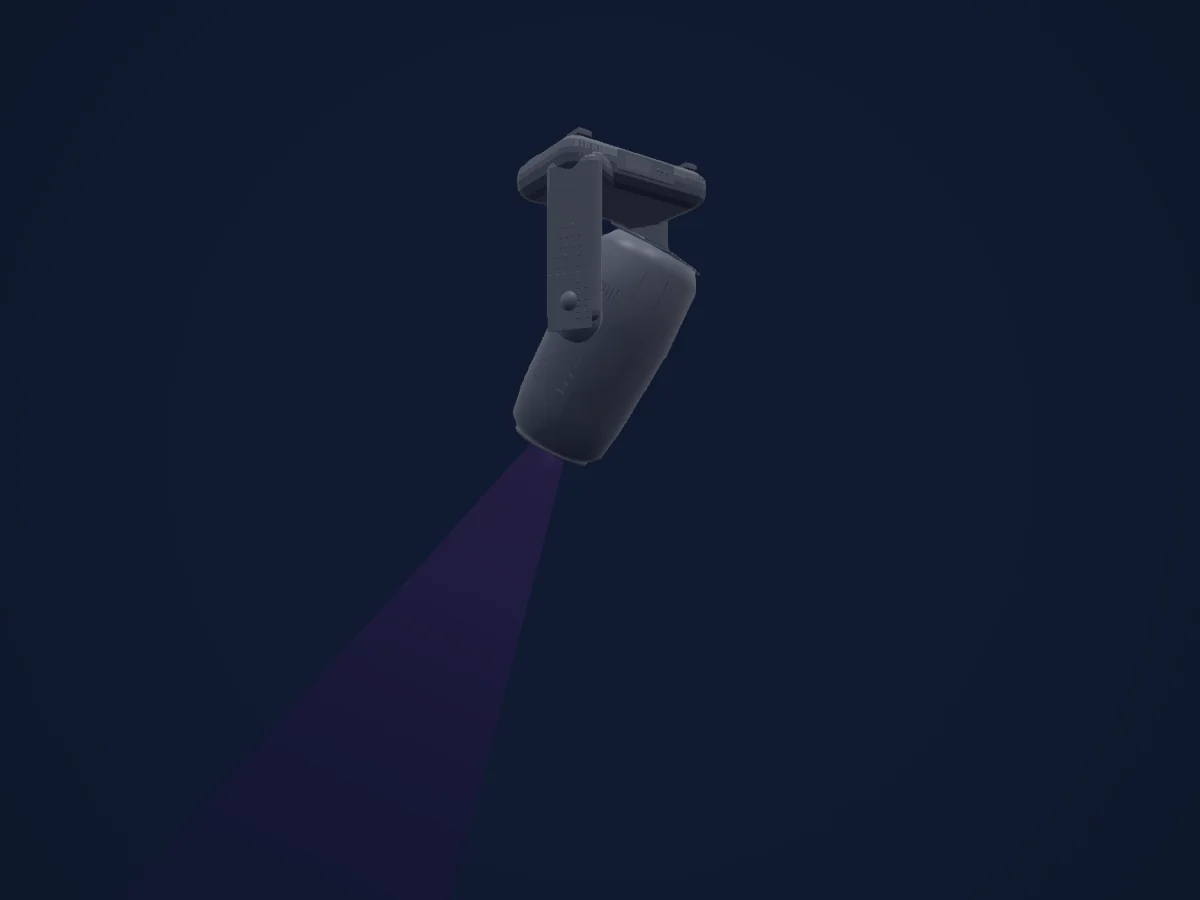
Profilscheinwerfer
High End Systems Halcyon Platinum Ultra-Bright
60 DMX-Kanäle
Profilscheinwerfer
High End Systems Lonestar
48 DMX-Kanäle
Profilscheinwerfer
High End Systems SolaHyBeam 2000
39 DMX-Kanäle
Die Tabellen stammen aus der GDTF-Beschreibung des Scheinwerfers, umgewandelt für die HitLight-Bibliothek. HitLight ist nicht mit High End Systems verbunden.