Zum Inhalt springen
HitLight
High End Systems · Profilscheinwerfer

High End Systems Halcyon Platinum Ultra-Bright

DMX-Tabelle, 1 DMX-Modus und eine 3D-Vorschau. 60 DMX-Kanäle.
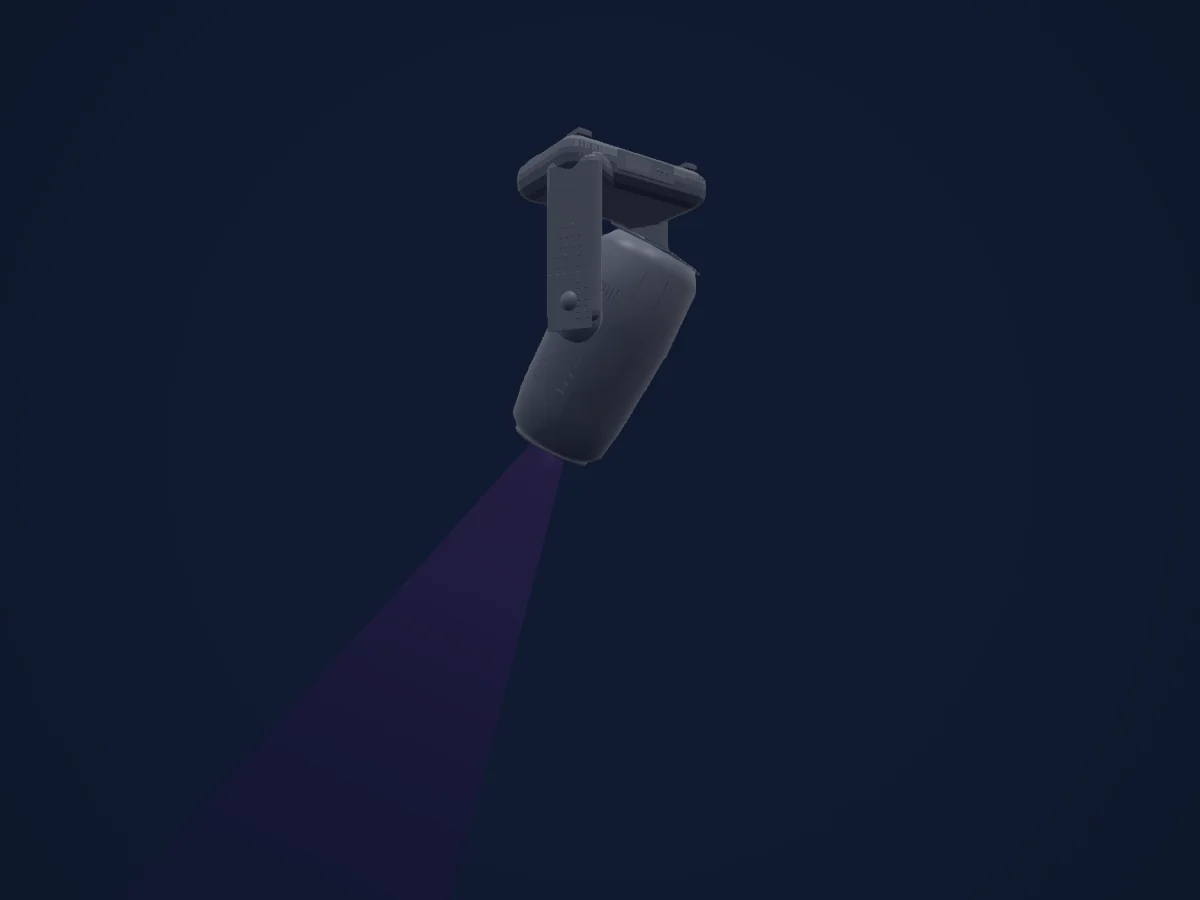
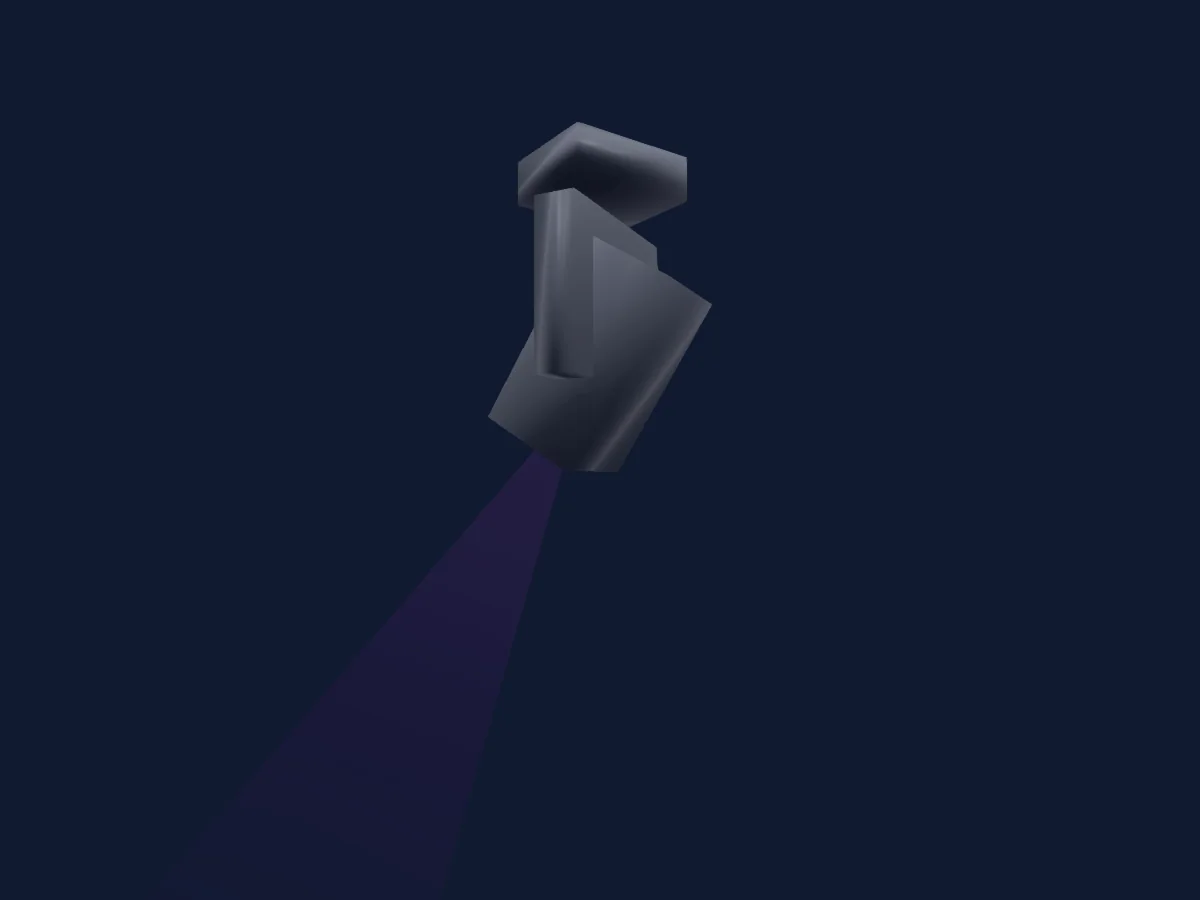
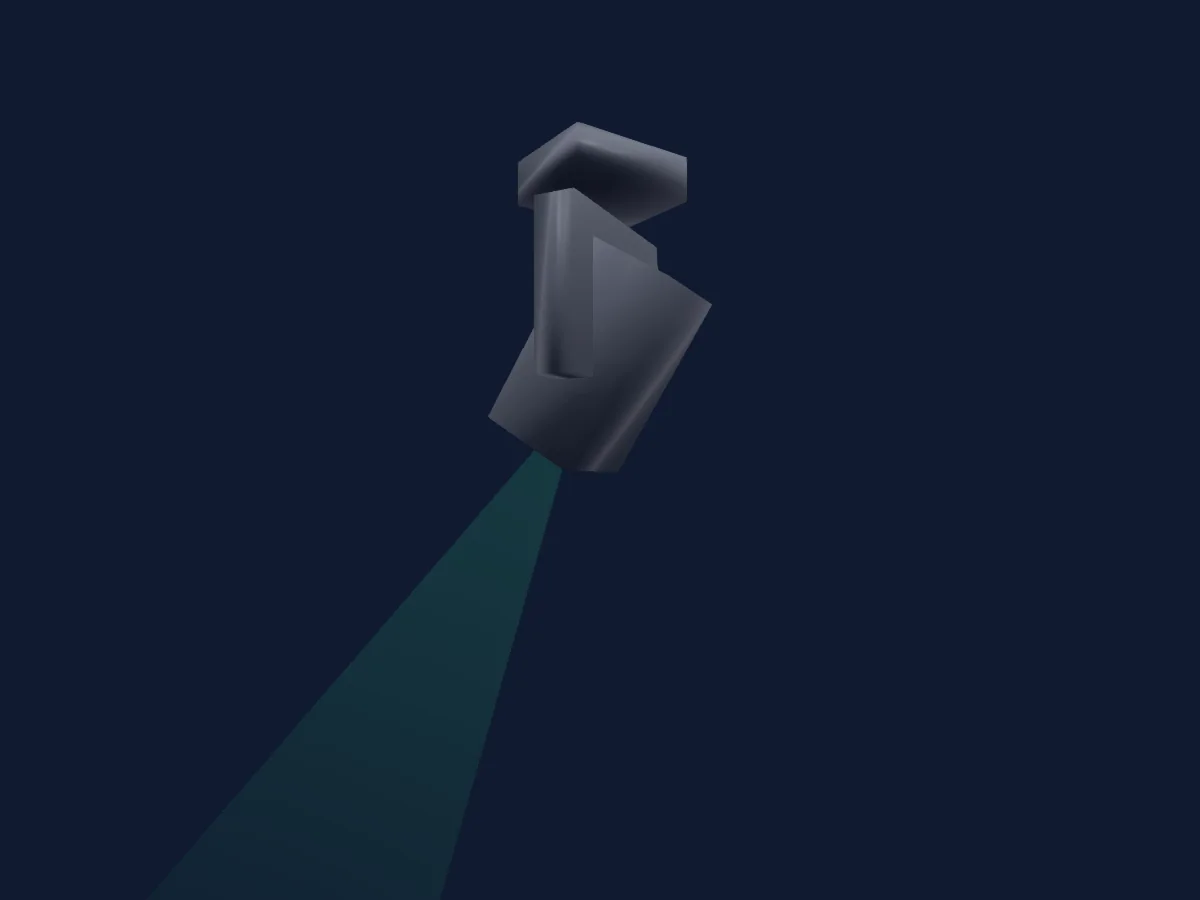
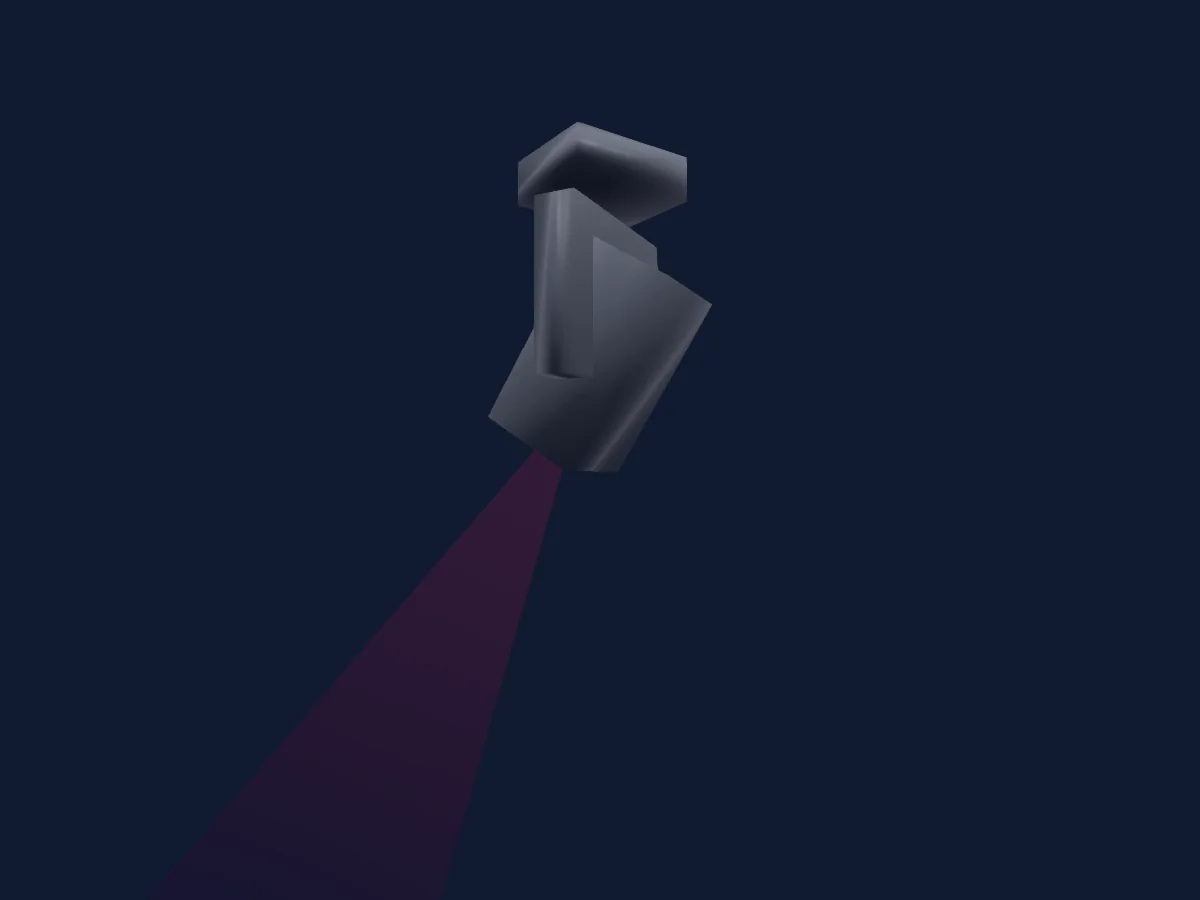
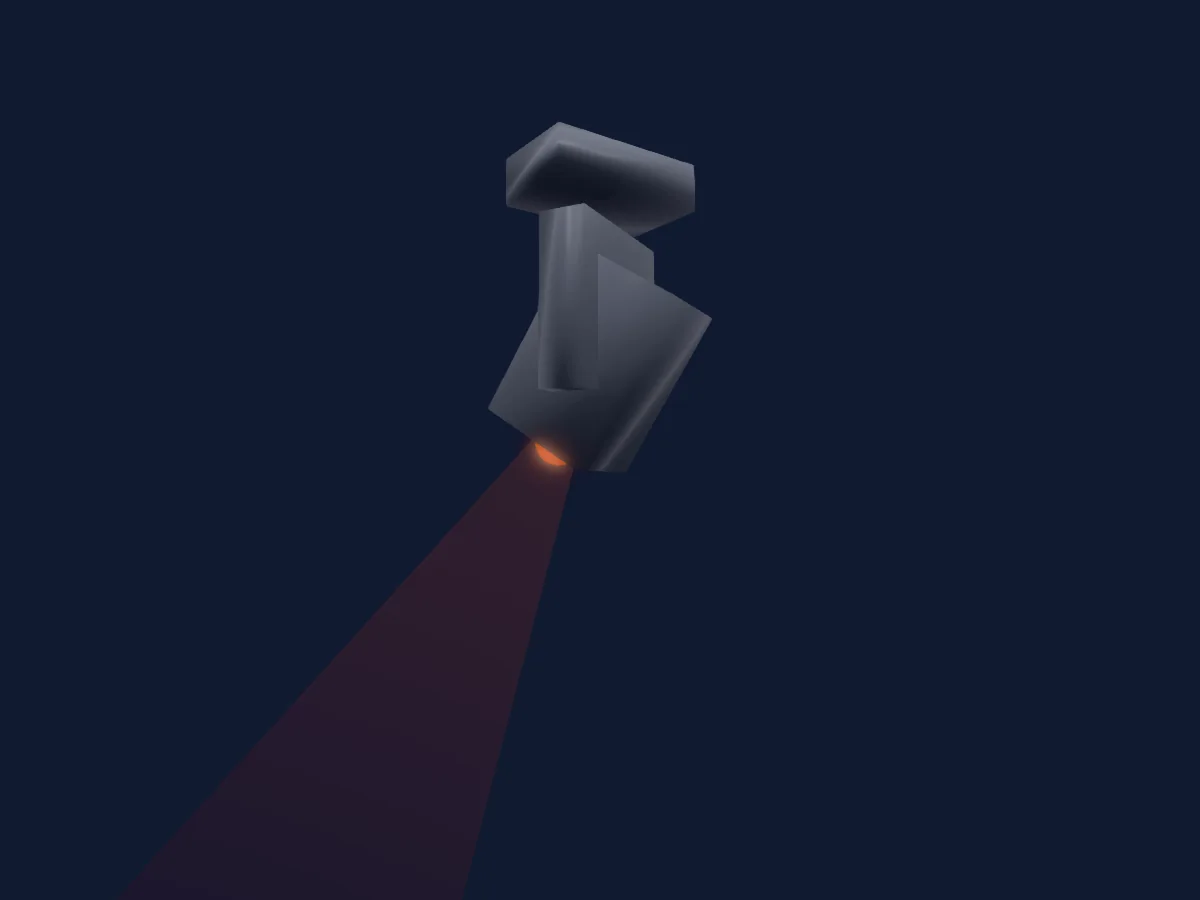
High End Systems Halcyon Platinum Ultra-Bright, gerendert in HitLight

Was er kann

  • Lüfter
  • Frost
  • Iris
  • Prisma
  • CMY-Farbmischung
  • Farbtemperatur
  • Farbrad
  • Strobe
  • Dimmer
  • Pan und Tilt
  • Animationsrad
  • Gobos
  • Gobo-Rotation

Sicherheitsrelevante Funktionen: Haze- oder Nebelausstoß · Scheinwerfer-Reset · Servicefunktionen · Strobe. Prüfe vor einer Show, wie sie sich an deinem eigenen Scheinwerfer verhalten.

DMX-Modi und Kanaltabellen

DMX-Modi von High End Systems Halcyon Platinum Ultra-Bright
ModusKanäleIn HitLight
Standard60Bereit in HitLight

Standard

Bereit in HitLight

60 DMX-Kanäle · Diese Tabelle als CSV herunterladen

DMX-Kanaltabelle für Standard
KanalFunktionStandardDMX-Werte
1Pan127
3 Wertebereiche
  • 0–126 Min
  • 127–254 Home
  • 255–255 Max
2Pan Fine255Feinbyte von Pan
3Tilt127
3 Wertebereiche
  • 0–126 Min
  • 127–254 Home
  • 255–255 Max
4Tilt Fine255Feinbyte von Tilt
5Color Mix Mode0
12 Wertebereiche
  • 0–31 Pure Mix
  • 32–47 Cycle
  • 48–63 Random
  • 64–79 Pure Mix Fast
  • 80–95 Cycle Fast
  • 96–127 Random Fast
  • 128–159 Pure Mix
  • 160–175 Cycle
  • 176–191 Random
  • 192–207 Pure Mix Fast
  • 208–223 Cycle Fast
  • 224–255 Random Fast
6Cyan255
2 Wertebereiche
  • 0–254 Full Saturation
  • 255–255 Open
7Magenta255
2 Wertebereiche
  • 0–254 Full Saturation
  • 255–255 Open
8Yellow255
2 Wertebereiche
  • 0–254 Full Saturation
  • 255–255 Open
9C TO255
2 Wertebereiche
  • 0–254 Full Saturation
  • 255–255 Open
10Color Wheel1Mode48
12 Wertebereiche
  • 0–15 Indexed
  • 16–31 Forward Spin
  • 32–47 Reverse Spin
  • 48–63 Continuous
  • 64–79 Scan
  • 80–127 Random
  • 128–143 Indexed
  • 144–159 Forward Spin
  • 160–175 Reverse Spin
  • 176–191 Continuous
  • 192–207 Scan
  • 208–255 Random
11Color Wheel0
23 Wertebereiche
  • 0–3 Open (wheel slot 1)
  • 4–15 Slow
  • 16–29 Open/Red
  • 30–31 Red/Blue
  • 32–47 Red (wheel slot 2)
  • 48–59 Red/Blue
  • 60–63 Blue/TM30
  • 64–79 Blue (wheel slot 3)
  • 80–89 Blue/TM-30
  • 90–95 TM-30/Orange
  • 96–111 TM-30 (wheel slot 4)
  • 112–119 TM-30/Orange
  • 120–127 Orange/Dark Blue
  • 128–143 Orange (wheel slot 5)
  • 144–149 Orange/Dark Blue
  • 150–159 Dark Blue/CTB
  • 160–175 Dark Blue (wheel slot 6)
  • 176–179 Dark Blue/CTB
  • 180–191 CTB/Open
  • 192–207 CTB (wheel slot 7)
  • 208–223 CTB/Open
  • 224–254 Open (wheel slot 1)
  • 255–255 Fast
12Gobo Wheel1Mode0
10 Wertebereiche
  • 0–15 Indexed
  • 16–31 Forward Spin
  • 32–47 Reverse Spin
  • 48–63 Scan
  • 64–127 Random
  • 128–143 Indexed
  • 144–159 Forward Spin
  • 160–190 Reverse Spin
  • 191–191 Scan
  • 192–255 Random
13Gobo0
10 Wertebereiche
  • 0–3 Open (wheel slot 1)
  • 4–15 Slow
  • 16–31 Wiggle Lines (wheel slot 2)
  • 32–47 Mycelium (wheel slot 3)
  • 48–63 Bob's Brush (wheel slot 4)
  • 64–79 The Claw (wheel slot 5)
  • 80–95 Cut Cone (wheel slot 6)
  • 96–111 Split S (wheel slot 7)
  • 112–254 Ice (wheel slot 8)
  • 255–255 Fast
14Gobo1Mode0
5 Wertebereiche
  • 0–15 Indexed
  • 16–31 Forward Spin
  • 32–47 Reverse Spin
  • 48–63 Forward Animate
  • 64–255 Reverse Animate
15Gobo Rotation127
4 Wertebereiche
  • 0–3 0
  • 4–126 Slow
  • 127–254 180
  • 255–255 359
16Gobo Rotation Fine255Feinbyte von Gobo Rotation
17Gobo Wheel2Mode0
10 Wertebereiche
  • 0–15 Indexed
  • 16–31 Forward Spin
  • 32–47 Reverse Spin
  • 48–63 Scan
  • 64–127 Random
  • 128–143 Indexed
  • 144–159 Forward Spin
  • 160–190 Reverse Spin
  • 191–191 Scan
  • 192–255 Random
18Gobo 20
10 Wertebereiche
  • 0–3 Open (wheel slot 1)
  • 4–15 Slow
  • 16–31 Texture Drops (wheel slot 2)
  • 32–47 Lovely Bubbly (wheel slot 3)
  • 48–63 Art Ducko (wheel slot 4)
  • 64–79 Window Matrix (wheel slot 5)
  • 80–95 Swirly Gig (wheel slot 6)
  • 96–111 Fenced In (wheel slot 7)
  • 112–254 The Only Way is Up (wheel slot 8)
  • 255–255 Fast
19Gobo2Mode0
5 Wertebereiche
  • 0–15 Indexed
  • 16–31 Forward Spin
  • 32–47 Reverse Spin
  • 48–63 Forward Animate
  • 64–255 Reverse Animate
20Gobo Rotation 2127
4 Wertebereiche
  • 0–3 0
  • 4–126 Slow
  • 127–254 180
  • 255–255 359
21Gobo Rotation 2 Fine255Feinbyte von Gobo Rotation 2
22Blade1A0
2 Wertebereiche
  • 0–254 Removed
  • 255–255 Inserted
23Blade1B0
2 Wertebereiche
  • 0–254 Removed
  • 255–255 Inserted
24Blade2A0
2 Wertebereiche
  • 0–254 Removed
  • 255–255 Inserted
25Blade2B0
2 Wertebereiche
  • 0–254 Removed
  • 255–255 Inserted
26Blade3A0
2 Wertebereiche
  • 0–254 Removed
  • 255–255 Inserted
27Blade3B0
2 Wertebereiche
  • 0–254 Removed
  • 255–255 Inserted
28Blade4A0
2 Wertebereiche
  • 0–254 Removed
  • 255–255 Inserted
29Blade4B0
2 Wertebereiche
  • 0–254 Removed
  • 255–255 Inserted
30Shaper Rot127
3 Wertebereiche
  • 0–126 -90
  • 127–254 0
  • 255–255 90
31Shaper Rot Fine255Feinbyte von Shaper Rot
32Animation Wheel1Pos00–255
33Animation Wheel10
12 Wertebereiche
  • 0–0 Stop
  • 1–62 Slow
  • 63–63 Fast
  • 64–64 Stop
  • 65–126 Slow
  • 127–127 Fast
  • 128–128 Stop
  • 129–190 Slow
  • 191–191 Fast
  • 192–192 Stop
  • 193–254 Slow
  • 255–255 Fast
34Prism1Mode0
6 Wertebereiche
  • 0–15 Removed
  • 16–31 Continuous
  • 32–47 Forward Spin
  • 48–63 Reverse Spin
  • 64–79 Forward Animate
  • 80–255 Reverse Animate
35Prism127
4 Wertebereiche
  • 0–3 Removed
  • 4–126 Slow
  • 127–254 180
  • 255–255 359
36Prism Fine255Feinbyte von Prism
37Prism2Mode0
6 Wertebereiche
  • 0–15 Removed
  • 16–31 Continuous
  • 32–47 Forward Spin
  • 48–63 Reverse Spin
  • 64–79 Forward Animate
  • 80–255 Reverse Animate
38Prism127
4 Wertebereiche
  • 0–3 Removed
  • 4–126 Slow
  • 127–254 180
  • 255–255 359
39Prism Fine255Feinbyte von Prism
40Trifusion00–255
41Frost10
2 Wertebereiche
  • 0–254 Removed
  • 255–255 Soft Edge
42Frost20
2 Wertebereiche
  • 0–254 Removed
  • 255–255 Soft Edge
43Frost30
2 Wertebereiche
  • 0–254 Removed
  • 255–255 Soft Edge
44Focus127
3 Wertebereiche
  • 0–126 Min
  • 127–254 Home
  • 255–255 Max
45Focus Fine255Feinbyte von Focus
46Zoom127
3 Wertebereiche
  • 0–126 Min
  • 127–254 Home
  • 255–255 Max
47Zoom Fine255Feinbyte von Zoom
48Focus1Distance0
2 Wertebereiche
  • 0–3 Auto Focus Off
  • 4–255 Auto Focus - In to Out
49Focus1Distance Fine0Feinbyte von Focus1Distance
50Iris255
2 Wertebereiche
  • 0–254 Closed
  • 255–255 Open
51Strobe1Mode0
3 Wertebereiche
  • 0–31 Normal
  • 32–63 Random
  • 64–255 Synchronous Random
52Strobe1255
4 Wertebereiche
  • 0–23 Closed
  • 24–228 Slow
  • 229–254 Fast
  • 255–255 Open
53Dimmer0
3 Wertebereiche
  • 0–126 Off
  • 127–254 50%
  • 255–255 Full
54Dimmer Fine0Feinbyte von Dimmer
55L EDAnimation0
36 Wertebereiche
  • 0–3 Macro Off
  • 4–7 M1 (L to R - 1)
  • 8–11 M2 (L to R - 2)
  • 12–15 M3 (L to R - 3)
  • 16–19 M4 (R to L - 1)
  • 20–23 M5 (R to L - 2)
  • 24–27 M6 (R to L - 3)
  • 28–31 M7 (Scan - 1)
  • 32–35 M8 (Scan - 2)
  • 36–39 M9 (Scan - 3)
  • 40–43 M10 (Invert L to R - 1)
  • 44–47 M11 (Invert L to R - 2)
  • 48–51 M12 (Invert L to R - 3)
  • 52–55 M13 (Invert R to L - 1)
  • 56–59 M14 (Invert R to L - 2)
  • 60–63 M15 (Invert R to L - 3)
  • 64–67 M16 (Invert Scan - 1)
  • 68–71 M17 (Invert Scan - 12
  • 72–75 M18 (Invert Scan - 3)
  • 76–79 M19 (Out/In - 1)
  • 80–83 M20 (Out/In - 3)
  • 84–87 M21 (In/Out - 1)
  • 88–91 M22 (Out/In/Out - 1)
  • 92–95 M23 (Invert Out/In - 1)
  • 96–99 M24 (Invert In/Out - 1)
  • 100–103 M25 (Invert Out/In/Out - 1)
  • 104–107 M26 (Alternate - 4)
  • 108–111 M27 (Alternate - 5)
  • 112–115 M28 (Stairs L to R - 1)
  • 116–119 M29 (Stairs L to R - 2)
  • 120–123 M30 (Stairs R to L - 1)
  • 124–127 M31 (Stairs R to L - 2)
  • 128–131 M32 (Invert Stairs L to R - 1)
  • 132–135 M33 (Invert Stairs L to R - 2)
  • 136–139 M34 (Invert Stairs R to L - 1)
  • 140–255 M35 (Invert Stairs R to L - 2)
56L EDAnimation Speed00–255
57L EDAnimation Xfade00–255
58Global MSpeed0
3 Wertebereiche
  • 0–0 Disabled
  • 1–254 Longest
  • 255–255 Shortest
59Control10
8 Wertebereiche
  • 0–31 Idle
  • 32–47 Display Off (Hold 3s)
  • 48–79 Display On (Hold 3s)
  • 80–95 Home All (Hold 3s)
  • 96–111 Shutdown (Hold 9s)
  • 112–127 Disable Pan Tilt Motors (Hold 9s)
  • 128–143 Dimming Mode - 2:4KHz (Hold 9s)
  • 144–255 Dimming Mode - 16KHz (Hold 9s)
60Fan0
5 Wertebereiche
  • 0–15 Idle
  • 16–206 Slow
  • 207–207 Fast
  • 208–223 Auto
  • 224–255 Studio

High End Systems Halcyon Platinum Ultra-Bright in HitLight verwenden

  1. Öffne Scheinwerfer hinzufügen und suche nach High End Systems Halcyon Platinum Ultra-Bright.
  2. Wähle den DMX-Modus, der im Menü des Scheinwerfers eingestellt ist. HitLight gibt ihm die niedrigste freie Startadresse in seinem Universum, die zur Kanalzahl des Modus passt.
  3. Prüfe Modus und Steuerung an deinem echten Scheinwerfer, bevor du ihn live einsetzt.

Spielstätten mit High End Systems Halcyon Platinum Ultra-Bright

Ihre gespeicherten Lichtaufbauten enthalten dieses Scheinwerfermodell. Klären Sie die aktuelle Ausstattung mit der Spielstätte.

Die Tabellen stammen aus der GDTF-Beschreibung des Scheinwerfers, umgewandelt für die HitLight-Bibliothek. HitLight ist nicht mit High End Systems verbunden.

Fixture model: gdtf-high-end-systems-halcyon-platinum-ultra-bright-66040
Creator: HitLight
Modifications: Original in-house Blender geometry authored by worker thread thr_eigezu4ees from published dimensions and reference views. No third-party meshes, photos or textures embedded.

Patche ihn und lass die Musik das Licht steuern.

HitLight findet diese Scheinwerfer in seiner Bibliothek, patcht sie auf die nächste freie Adresse und zeigt deine Lichtanlage in 3D, bevor ein einziges Licht eingesteckt ist.

HitLight öffnen ↗HitLight herunterladen