 HitLight
Clay Paky Axcor Profile 1000 ST
Tabla DMX, 1 modo DMX y vista previa en 3D. 41 canales DMX.
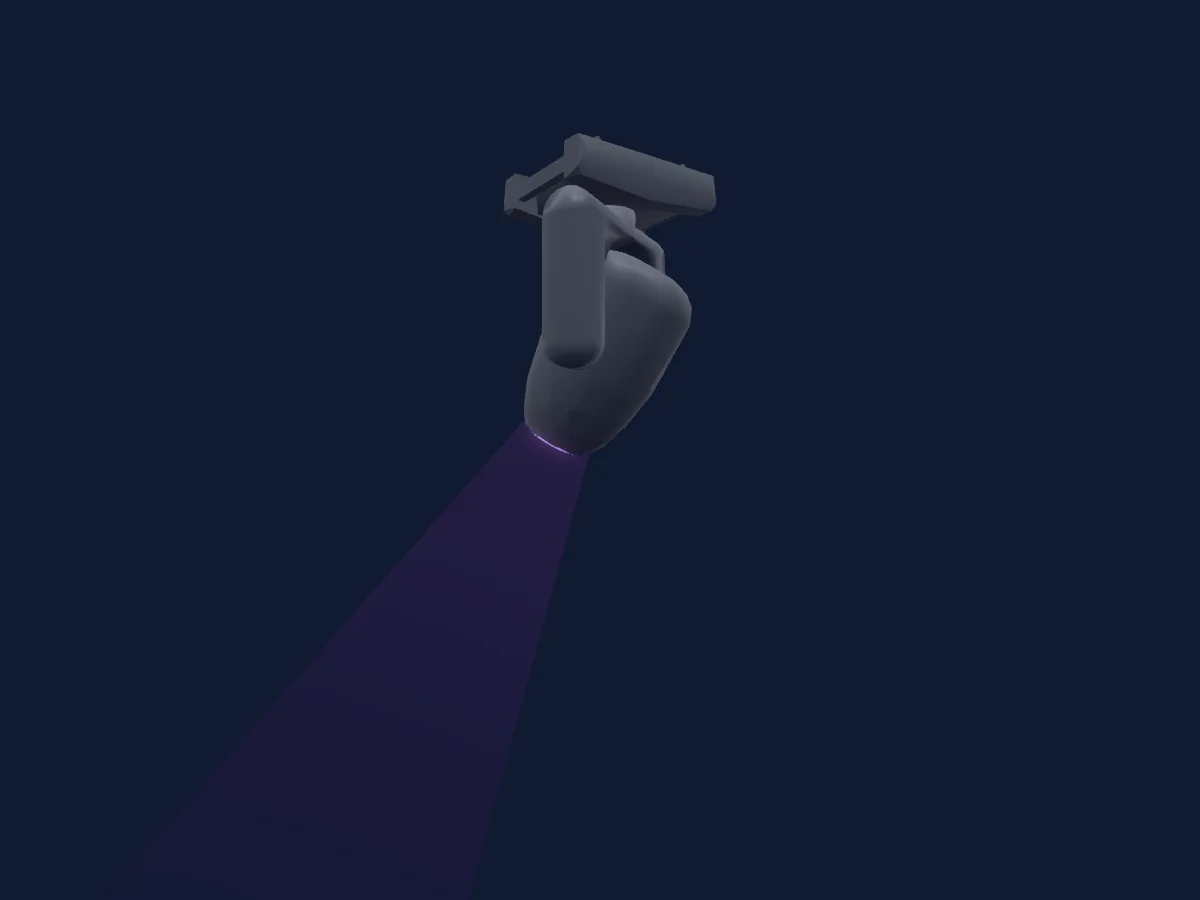
Lo que puede hacer
- Foco
- Frost
- Iris
- Prisma
- Rotación del prisma
- Zoom
- Mezcla de color CMY
- Temperatura de color
- Rueda de color
- Estrobo
- Intensidad
- Gobos
- Rotación de gobos
Funciones relevantes para la seguridad: Reinicio del foco. Comprueba cómo se comportan en tu propio foco antes de un espectáculo.
Modos DMX y tablas de canales
| Modo | Canales | En HitLight |
|---|---|---|
| 41 DMX | 41 | Listo en HitLight |
41 DMX
Listo en HitLight41 canales DMX · Descargar esta tabla en CSV
| Canal | Función | Predeterminado | Valores DMX |
|---|---|---|---|
| 1 | Cyan | 0 | 0–255 |
| 2 | Magenta | 0 | 0–255 |
| 3 | Yellow | 0 | 0–255 |
| 4 | C TO | 0 | 0–255 |
| 5 | Color Wheel | 0 | 16 rangos de valores
|
| 6 | Shutter / Strobe | 255 | 19 rangos de valores
|
| 7 | Dimmer | 0 | 2 rangos de valores
|
| 8 | Dimmer Fine | 0 | Byte fino de Dimmer |
| 9 | Iris | 0 | 0–255 |
| 10 | Gobo | 0 | 23 rangos de valores
|
| 11 | Gobo 2 | 0 | 19 rangos de valores
|
| 12 | Gobo Rotation | 0 | 8 rangos de valores
|
| 13 | Gobo Rotation Fine | 0 | Byte fino de Gobo Rotation |
| 14 | Prism | 0 | 2 rangos de valores
|
| 15 | Prism Rotation | 192 | 12 rangos de valores
|
| 16 | Effect Entry | 0 | 2 rangos de valores
|
| 17 | Gobo1Select Effects | 0 | 4 rangos de valores
|
| 18 | Frost1 | 0 | 2 rangos de valores
|
| 19 | C RIMode | 0 | 2 rangos de valores
|
| 20 | Focus | 128 | 0–255 |
| 21 | Focus Fine | 0 | Byte fino de Focus |
| 22 | Zoom | 127 | 2 rangos de valores
|
| 23 | Zoom Fine | 255 | Byte fino de Zoom |
| 24 | Blade1A | 0 | 0–255 |
| 25 | Blade1B | 0 | 0–255 |
| 26 | Blade2A | 0 | 0–255 |
| 27 | Blade2B | 0 | 0–255 |
| 28 | Blade3A | 0 | 0–255 |
| 29 | Blade3B | 0 | 0–255 |
| 30 | Blade4A | 0 | 0–255 |
| 31 | Blade4B | 0 | 0–255 |
| 32 | Shaper Rot | 128 | 7 rangos de valores
|
| 33 | Frame Macro | 0 | 0–255 |
| 34 | Macro Speed | 0 | 0–255 |
| 35 | Pan | 128 | 0–255 |
| 36 | Pan Fine | 0 | Byte fino de Pan |
| 37 | Tilt | 128 | 0–255 |
| 38 | Tilt Fine | 0 | Byte fino de Tilt |
| 39 | Reset | 0 | 4 rangos de valores
|
| 40 | Function | 0 | 3 rangos de valores
|
| 41 | Tint | 0 | 0–255 |
Usar Clay Paky Axcor Profile 1000 ST en HitLight
- Abre Añadir foco y busca Clay Paky Axcor Profile 1000 ST.
- Elige el modo DMX configurado en el menú del propio foco. HitLight le asigna la dirección inicial libre más baja de su universo en la que cabe el número de canales del modo.
- Comprueba el modo y los controles con tu foco real antes de usarlo en directo.
Focos relacionados
Recorte
Clay Paky Alpha Spot 1200
20 canales DMX
Recorte
Clay Paky Alpha Spot QWO 800
32 canales DMX
Recorte
Clay Paky Alpha Beam 1500
24 / 28 canales DMX
Recorte
Clay Paky Axcor Spot 400
28 canales DMX
Recorte
Clay Paky Axcor Profile 400 HC
36 canales DMX

Recorte
Clay Paky Arolla Profile MP
37 canales DMX
Las tablas proceden de la descripción GDTF del foco, convertida para la biblioteca de HitLight. HitLight no está vinculado a Clay Paky.