Skip to content
HitLight
Martin Professional · Profile spot

Martin Professional RUSH MH 1 Profile

DMX chart, 1 DMX mode and a 3D preview. 17 DMX channels.
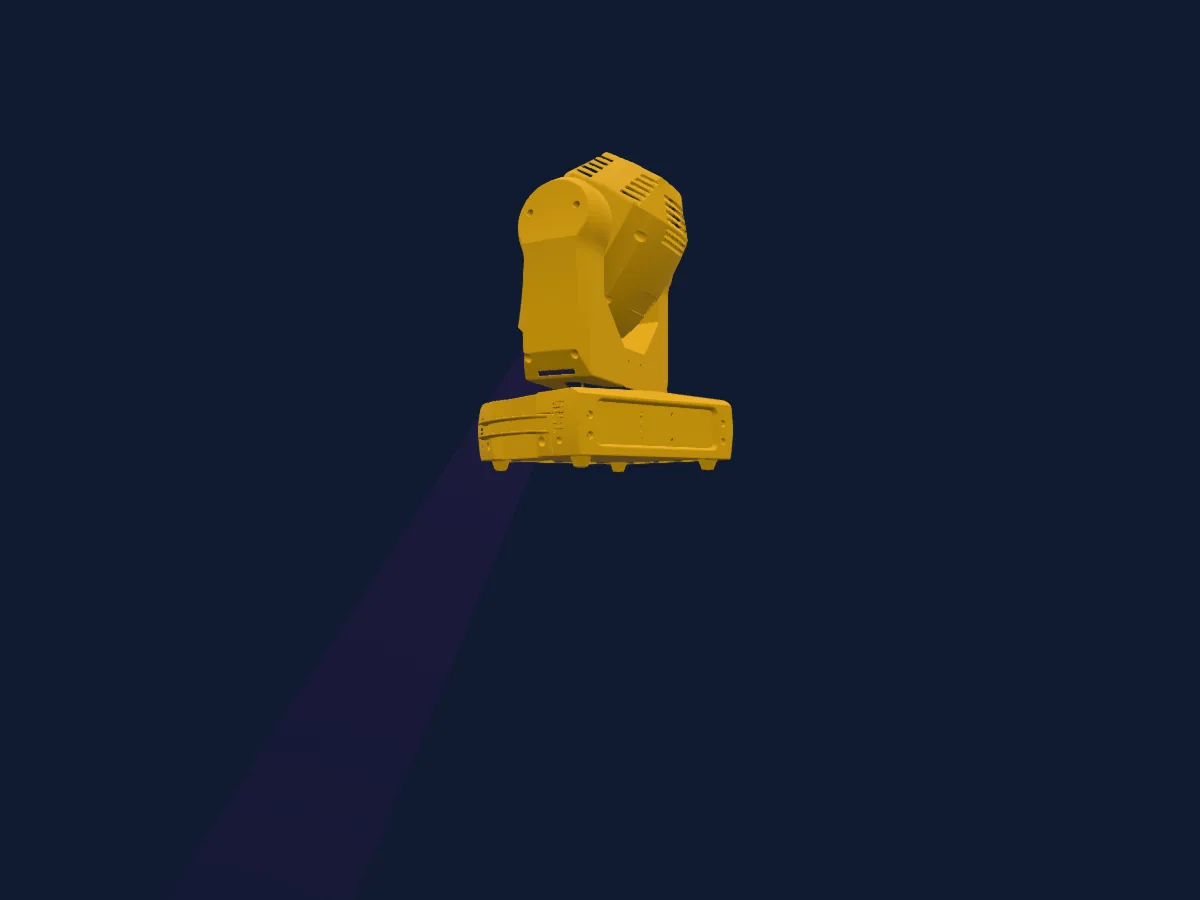
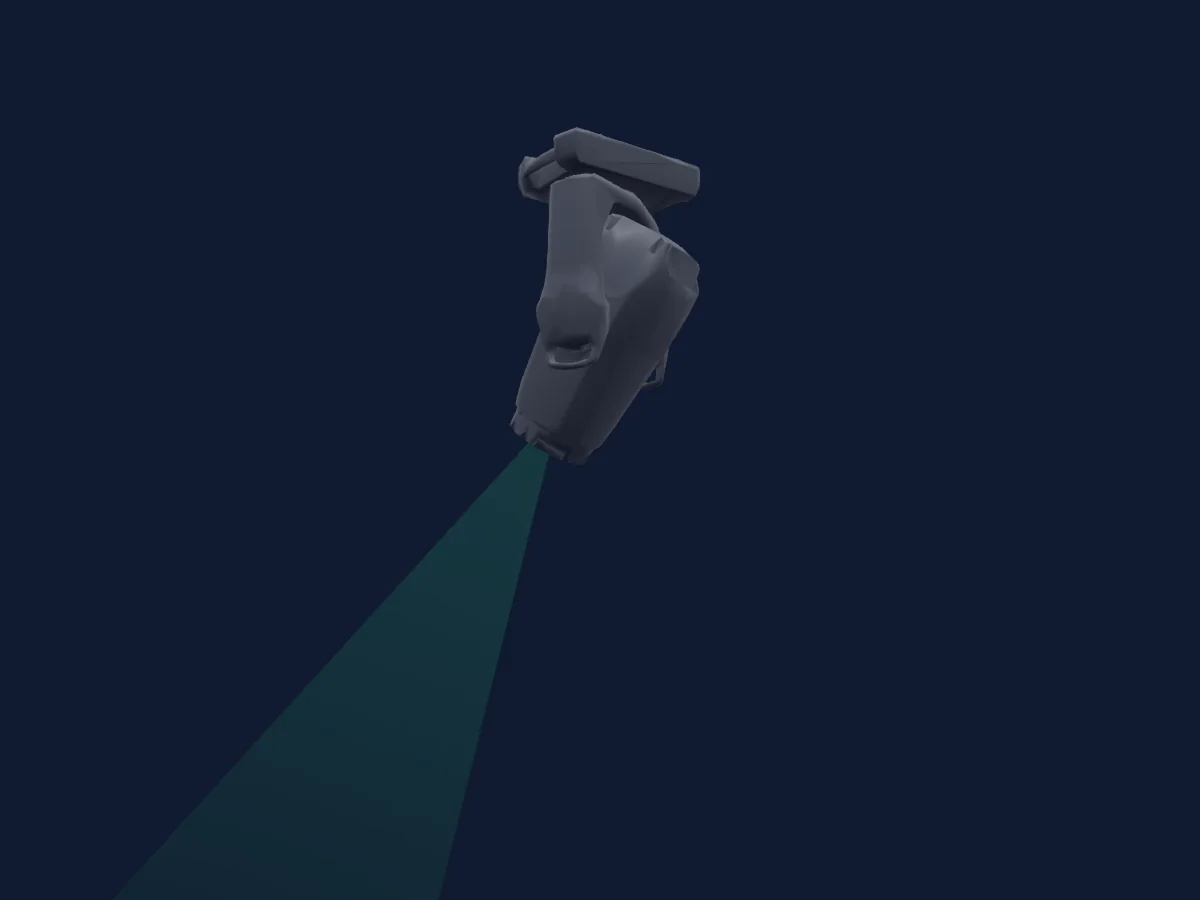
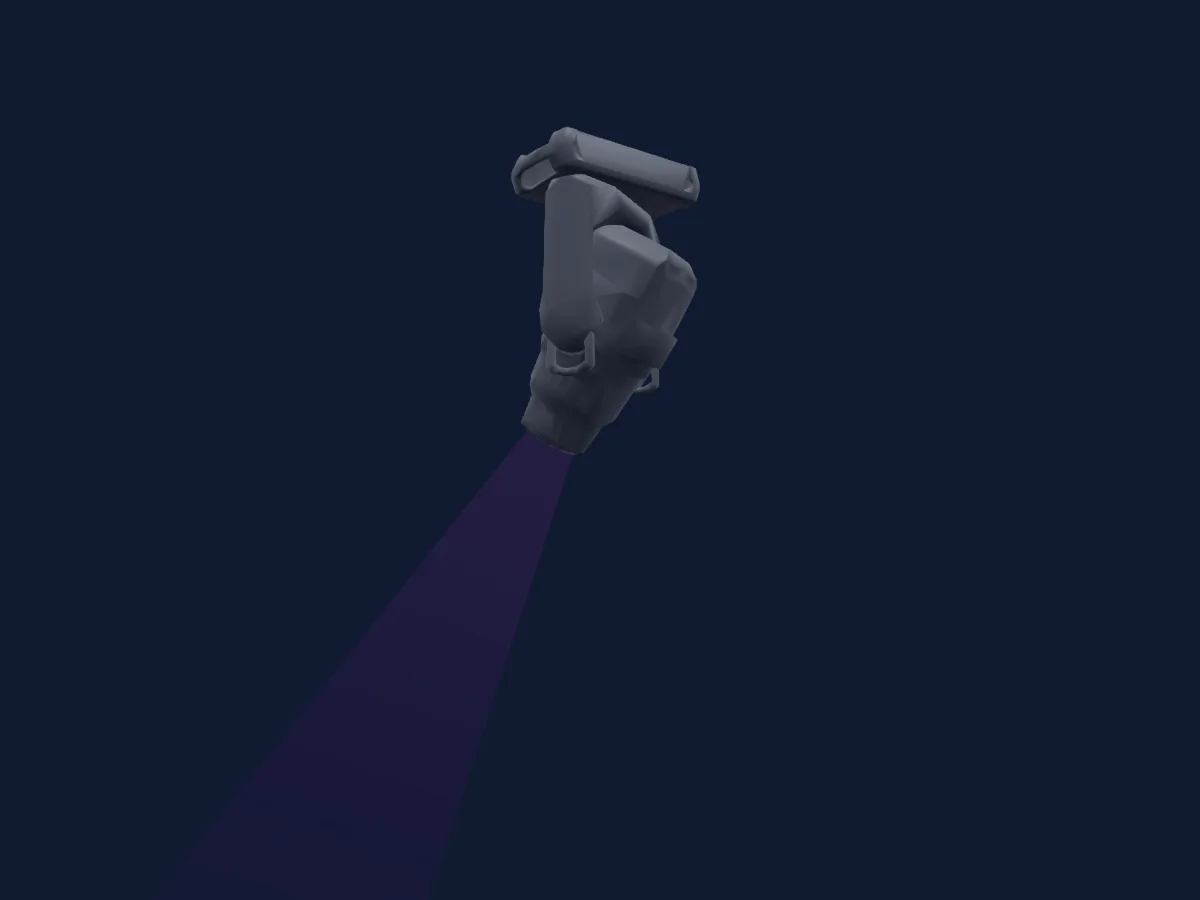
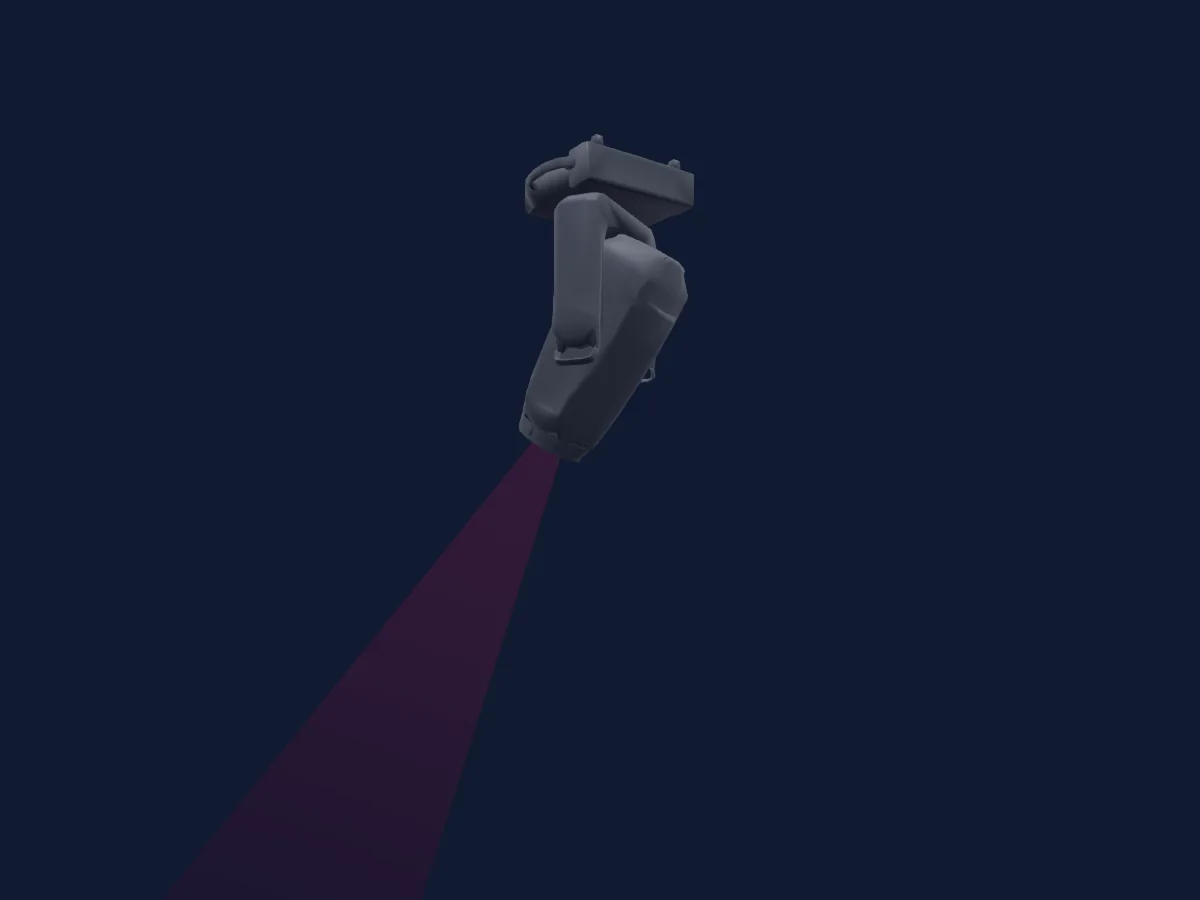
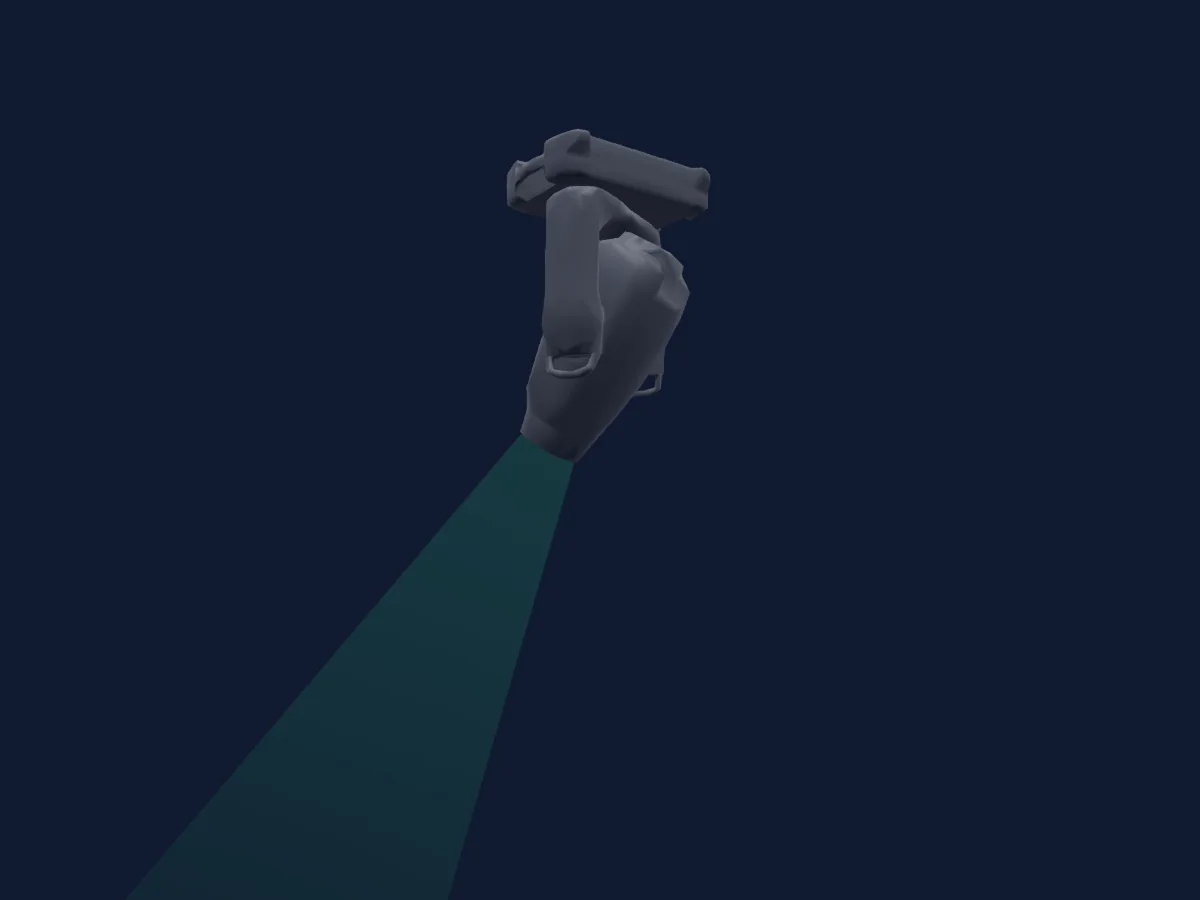
Martin Professional RUSH MH 1 Profile rendered in HitLight

What it can do

  • Focus
  • Iris
  • Prism
  • Prism rotation
  • Colour wheel
  • Strobe
  • Dimmer
  • Pan and tilt
  • Movement speed
  • Gobos
  • Gobo rotation

Safety-relevant functions: Strobe. Check how these behave on your own fixture before a show.

DMX modes and channel charts

DMX modes of Martin Professional RUSH MH 1 Profile
ModeChannelsIn HitLight
17-channel17Ready in HitLight

17-channel

Ready in HitLight

17 DMX channels · Download this chart as CSV

DMX channel chart for 17-channel
ChannelFunctionDefaultDMX values
1Pan1280–255
2Pan Fine0Fine byte of Pan
3Tilt1280–255
4Tilt Fine0Fine byte of Tilt
5Position MSpeed255
2 value ranges
  • 0–254 Pan tilt speed, fast to slow
  • 255–255 Disabled speed limiting, fastest
6Dimmer00–255
7Shutter / Strobe8
10 value ranges
  • 0–7 Closed shutter (manual: Off)
  • 8–15 Open
  • 16–131 Strobe, slow to fast
  • 132–139 Open
  • 140–181 Pulse, fast close and slow open
  • 182–189 Open
  • 190–231 Pulse, slow close and fast open
  • 232–239 Open
  • 240–247 Random strobe
  • 248–255 Open
8Color Wheel0
12 value ranges
  • 0–7 Open (wheel slot 1)
  • 8–15 Light blue (wheel slot 2)
  • 16–23 Green (wheel slot 3)
  • 24–31 Orange (wheel slot 4)
  • 32–39 Yellow (wheel slot 5)
  • 40–47 Magenta (wheel slot 6)
  • 48–55 Dark blue (wheel slot 7)
  • 56–63 Red (wheel slot 8)
  • 64–127 Wheel indexing
  • 128–189 Wheel rotation clockwise, fast to slow
  • 190–193 Stop
  • 194–255 Wheel rotation counter-clockwise, slow to fast
9Color Wheel 20
12 value ranges
  • 0–7 Open (wheel slot 1)
  • 8–15 Pink (wheel slot 2)
  • 16–23 CTO 3200 K (wheel slot 3)
  • 24–31 Purple (wheel slot 4)
  • 32–39 Yellow (wheel slot 5)
  • 40–47 Green (wheel slot 6)
  • 48–55 CTO 5600 K (wheel slot 7)
  • 56–63 Blue (wheel slot 8)
  • 64–127 Wheel indexing
  • 128–189 Wheel rotation clockwise, fast to slow
  • 190–193 Stop
  • 194–255 Wheel rotation counter-clockwise, slow to fast
10Gobo0
18 value ranges
  • 0–7 Open (wheel slot 1)
  • 8–15 Rotating gobo 1 (wheel slot 2)
  • 16–23 Rotating gobo 2 (wheel slot 3)
  • 24–31 Rotating gobo 3 (wheel slot 4)
  • 32–39 Rotating gobo 4 (wheel slot 5)
  • 40–47 Rotating gobo 5 (wheel slot 6)
  • 48–55 Rotating gobo 6 (wheel slot 7)
  • 56–63 Rotating gobo 7 (wheel slot 8)
  • 64–73 Rotating gobo 1 shake (wheel slot 2)
  • 74–82 Rotating gobo 2 shake (wheel slot 3)
  • 83–91 Rotating gobo 3 shake (wheel slot 4)
  • 92–100 Rotating gobo 4 shake (wheel slot 5)
  • 101–109 Rotating gobo 5 shake (wheel slot 6)
  • 110–118 Rotating gobo 6 shake (wheel slot 7)
  • 119–127 Rotating gobo 7 shake (wheel slot 8)
  • 128–189 Wheel rotation clockwise, fast to slow
  • 190–193 Stop
  • 194–255 Wheel rotation counter-clockwise, slow to fast
11Gobo Rotation0
4 value ranges
  • 0–127 Indexed position, 0-360 degrees
  • 128–189 Rotation clockwise, fast to slow
  • 190–193 Stop
  • 194–255 Rotation counter-clockwise, slow to fast
12Gobo 20
20 value ranges
  • 0–7 Open (wheel slot 1)
  • 8–14 Fixed gobo 1 (wheel slot 2)
  • 15–21 Fixed gobo 2 (wheel slot 3)
  • 22–28 Fixed gobo 3 (wheel slot 4)
  • 29–35 Fixed gobo 4 (wheel slot 5)
  • 36–42 Fixed gobo 5 (wheel slot 6)
  • 43–49 Fixed gobo 6 (wheel slot 7)
  • 50–56 Fixed gobo 7 (wheel slot 8)
  • 57–63 Fixed gobo 8 (wheel slot 9)
  • 64–71 Fixed gobo 1 shake (wheel slot 2)
  • 72–79 Fixed gobo 2 shake (wheel slot 3)
  • 80–87 Fixed gobo 3 shake (wheel slot 4)
  • 88–95 Fixed gobo 4 shake (wheel slot 5)
  • 96–103 Fixed gobo 5 shake (wheel slot 6)
  • 104–111 Fixed gobo 6 shake (wheel slot 7)
  • 112–119 Fixed gobo 7 shake (wheel slot 8)
  • 120–127 Fixed gobo 8 shake (wheel slot 9)
  • 128–189 Wheel rotation counter-clockwise, fast to slow
  • 190–193 Stop
  • 194–255 Wheel rotation clockwise, slow to fast
13Prism0
2 value ranges
  • 0–127 Open, no prism effect
  • 128–255 3-facet prism
14Prism Rotation0
4 value ranges
  • 0–127 Indexed position, 0-360 degrees
  • 128–189 Rotation clockwise, fast to slow
  • 190–193 Stop
  • 194–255 Rotation counter-clockwise, slow to fast
15Iris100–255
16Focus00–255
17Control10
18 value ranges
  • 0–69 No function
  • 70–79 Blackout during pan and tilt
  • 80–89 Disable blackout during pan and tilt
  • 90–99 Blackout during color change
  • 100–109 Disable blackout during color change
  • 110–119 Blackout during gobo change
  • 120–129 Disable blackout during gobo change
  • 130–139 No function
  • 140–149 Pan and tilt reset
  • 150–159 Color reset
  • 160–169 Gobo reset
  • 170–179 No function
  • 180–189 Focus reset
  • 190–199 No function
  • 200–209 Reset all
  • 210–219 Blackout during pan, tilt, color or gobo change
  • 220–229 Disable blackout during pan, tilt, color or gobo change
  • 230–255 No function

Use the Martin Professional RUSH MH 1 Profile in HitLight

  1. Open Add fixture and search for Martin Professional RUSH MH 1 Profile.
  2. Choose the DMX mode set in the fixture’s own menu. HitLight gives it the lowest free start address on its universe that fits the mode’s channel count.
  3. Check the mode and controls against your real fixture before live use.

Venues with the Martin Professional RUSH MH 1 Profile

Their saved rigs list this fixture model. Confirm the current equipment with the venue.

Charts come from the fixture’s GDTF description as converted for the HitLight library. HitLight is not affiliated with Martin Professional.

Fixture model: gdtf-martin-professional-rush-mh-1-profile-900000002
Martin Professional RUSH MH 1 Profile manufacturer CAD
Modifications: Converted from 3DS to GLB, split into base/yoke/head/lens, recentered at the manufacturer CAD pivots, and embedded in the authored GDTF.

Patch it, then let the music run the lights.

HitLight finds these fixtures in its library, patches them on the next free address and previews your rig in 3D before a single light is plugged in.

Open HitLight ↗Download HitLight