Vai al contenuto
HitLight
Martin Professional · Sagomatore

Martin Professional RUSH MH 1 Profile

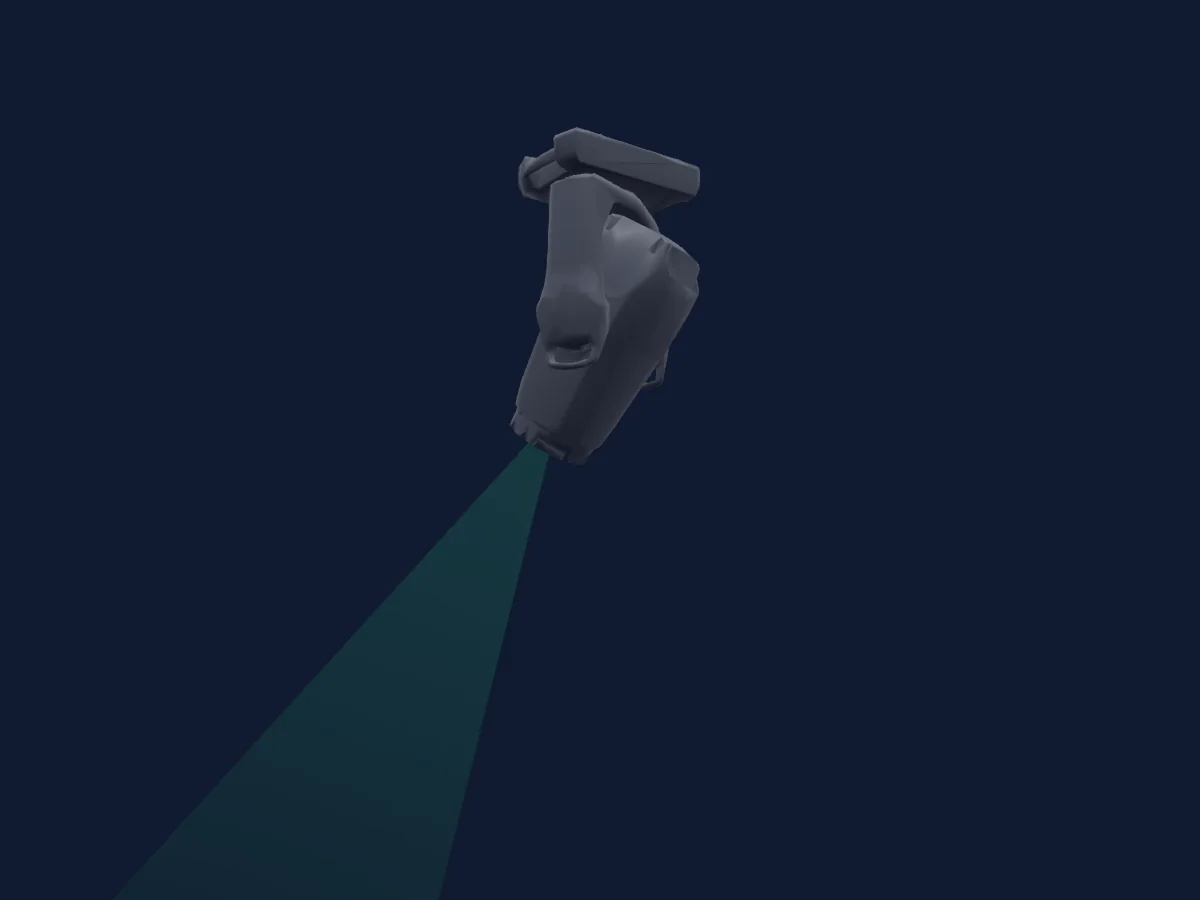
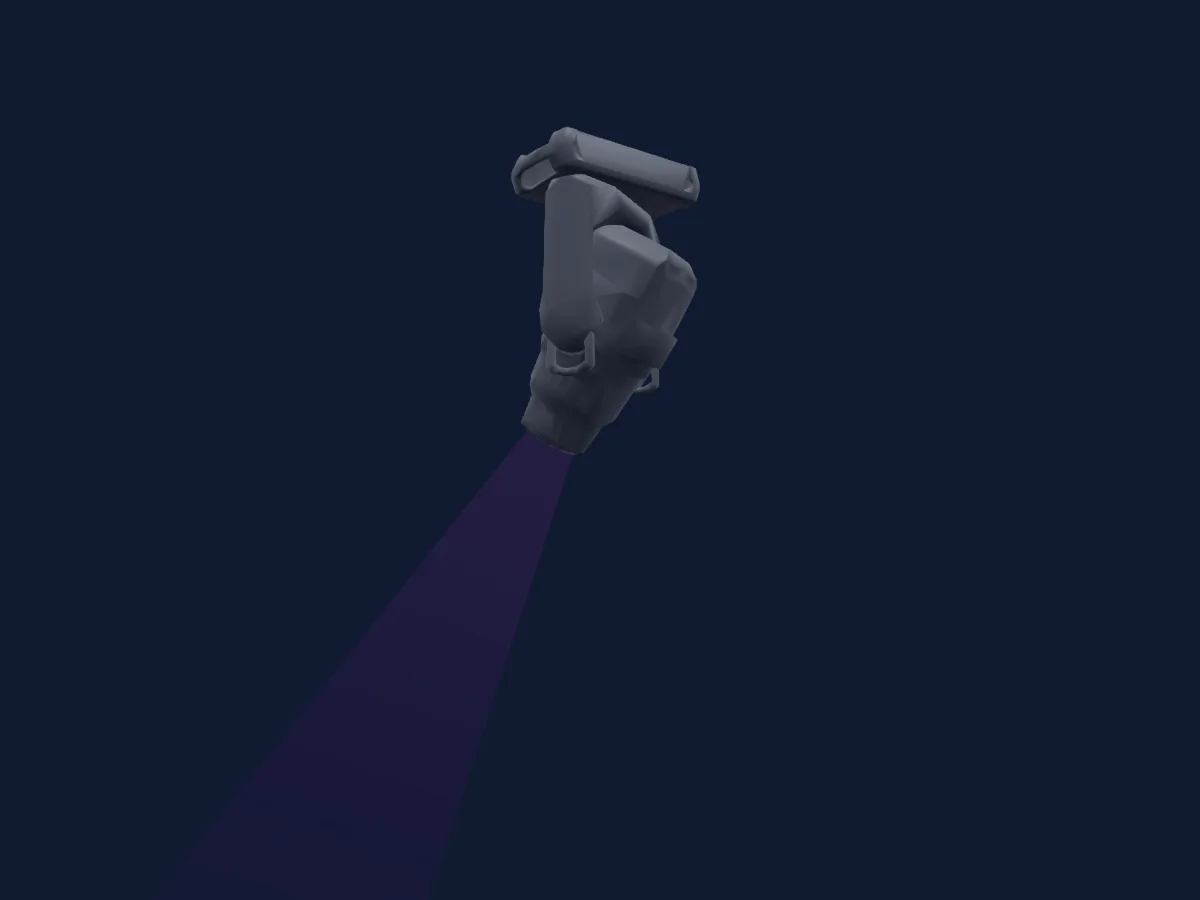
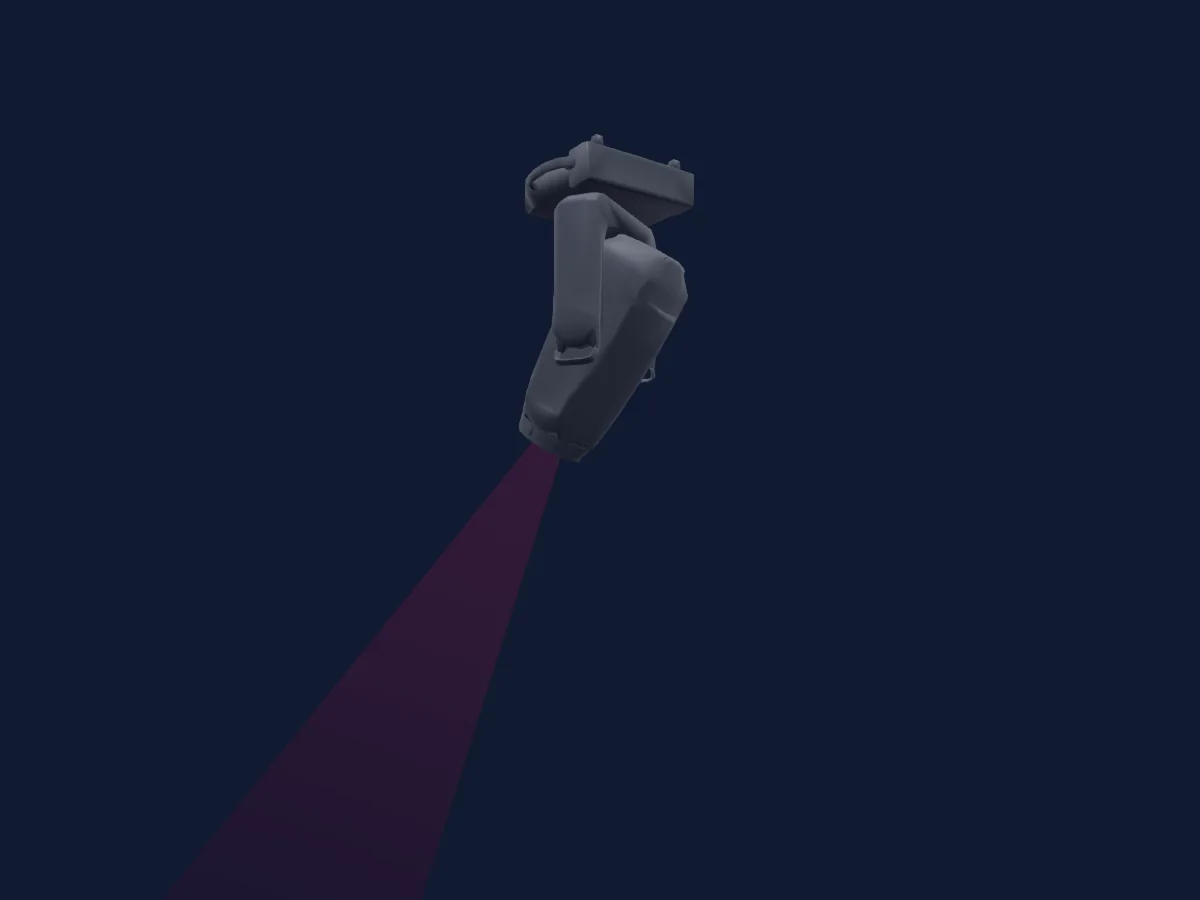
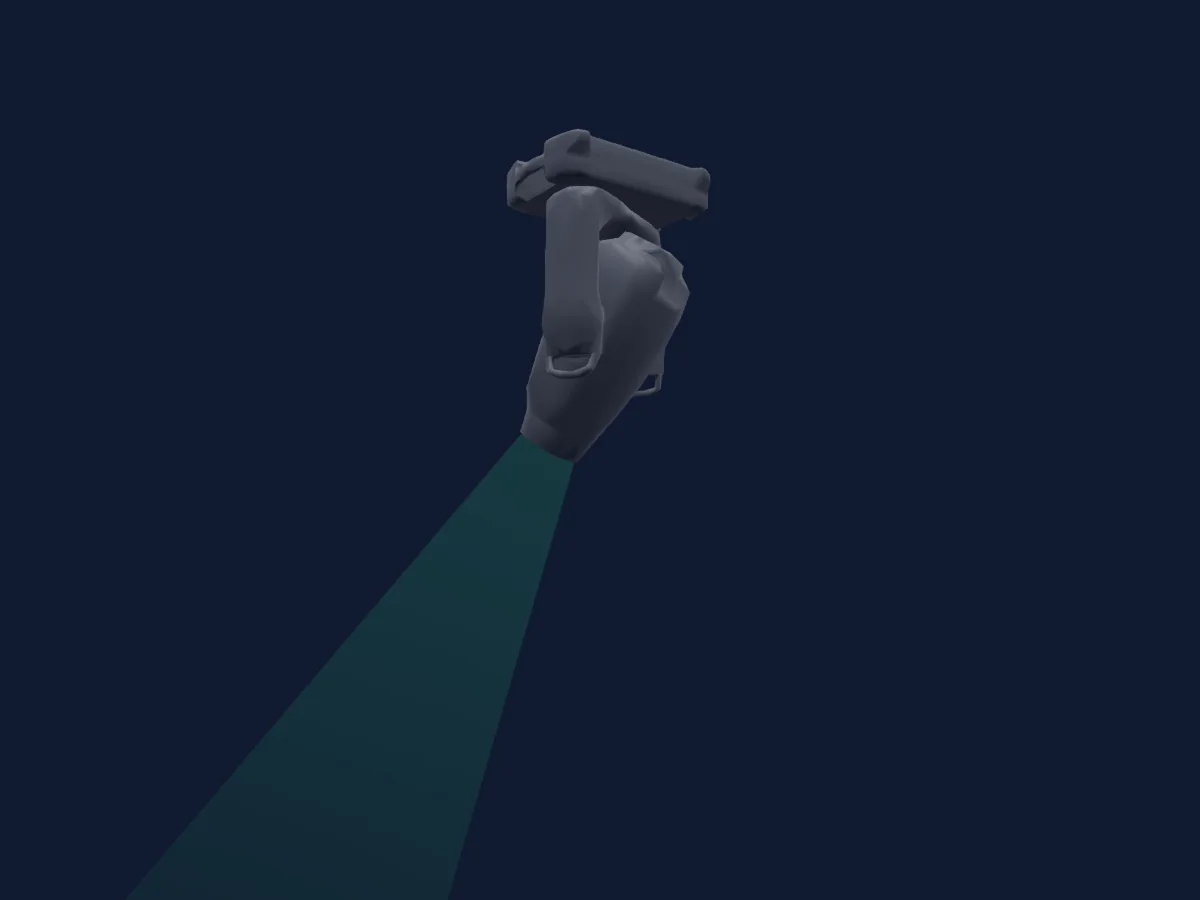
Tabella DMX, 1 modalità DMX e anteprima 3D. 17 canali DMX.
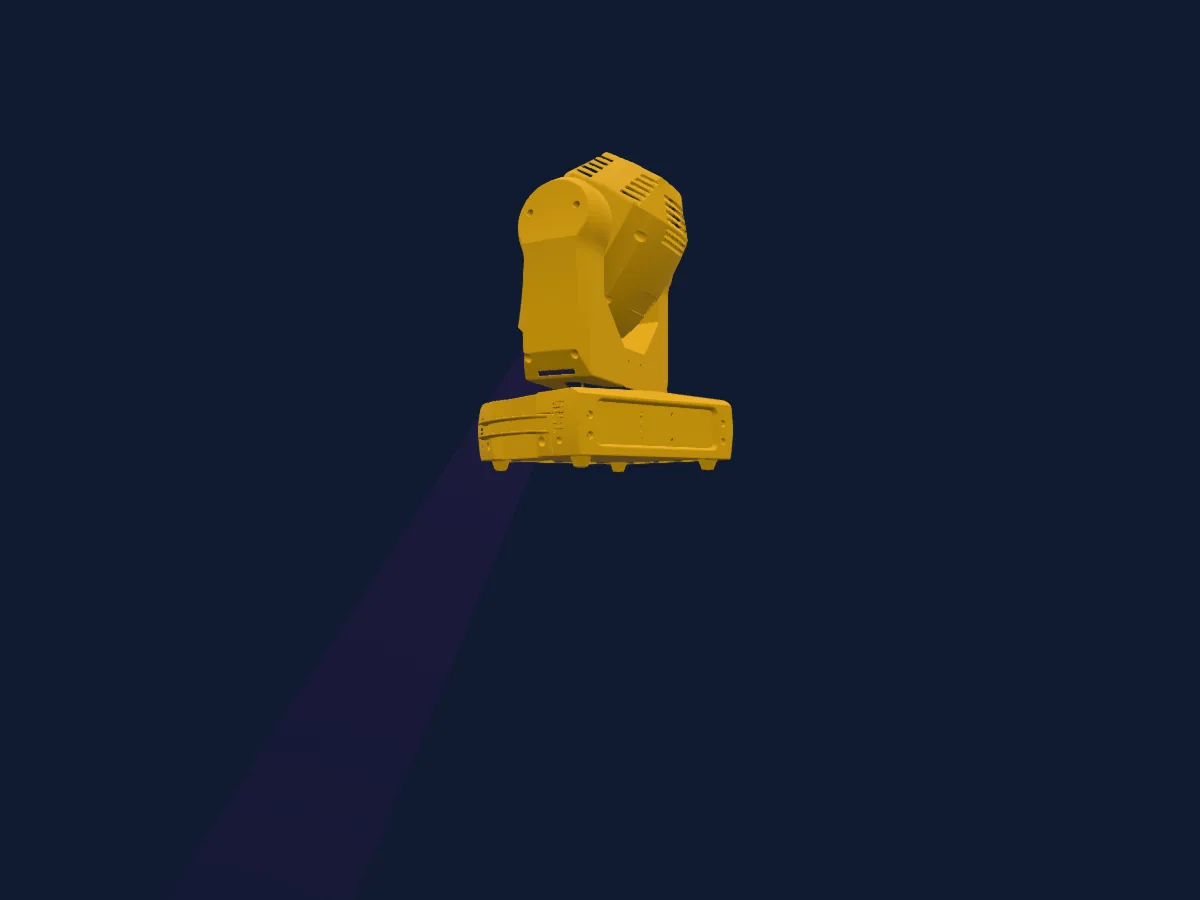
Martin Professional RUSH MH 1 Profile renderizzato in HitLight

Cosa può fare

  • Messa a fuoco
  • Iride
  • Prisma
  • Rotazione del prisma
  • Ruota colori
  • Strobo
  • Intensità
  • Pan e tilt
  • Velocità di movimento
  • Gobo
  • Rotazione dei gobo

Funzioni rilevanti per la sicurezza: Strobo. Verifica come si comportano sul tuo faro prima di uno spettacolo.

Modalità DMX e tabelle dei canali

Modalità DMX di Martin Professional RUSH MH 1 Profile
ModalitàCanaliIn HitLight
17-channel17Pronto in HitLight

17-channel

Pronto in HitLight

17 canali DMX · Scarica questa tabella in CSV

Tabella dei canali DMX di 17-channel
CanaleFunzionePredefinitoValori DMX
1Pan1280–255
2Pan Fine0Byte fine di Pan
3Tilt1280–255
4Tilt Fine0Byte fine di Tilt
5Position MSpeed255
2 intervalli di valori
  • 0–254 Pan tilt speed, fast to slow
  • 255–255 Disabled speed limiting, fastest
6Dimmer00–255
7Shutter / Strobe8
10 intervalli di valori
  • 0–7 Closed shutter (manual: Off)
  • 8–15 Open
  • 16–131 Strobe, slow to fast
  • 132–139 Open
  • 140–181 Pulse, fast close and slow open
  • 182–189 Open
  • 190–231 Pulse, slow close and fast open
  • 232–239 Open
  • 240–247 Random strobe
  • 248–255 Open
8Color Wheel0
12 intervalli di valori
  • 0–7 Open (wheel slot 1)
  • 8–15 Light blue (wheel slot 2)
  • 16–23 Green (wheel slot 3)
  • 24–31 Orange (wheel slot 4)
  • 32–39 Yellow (wheel slot 5)
  • 40–47 Magenta (wheel slot 6)
  • 48–55 Dark blue (wheel slot 7)
  • 56–63 Red (wheel slot 8)
  • 64–127 Wheel indexing
  • 128–189 Wheel rotation clockwise, fast to slow
  • 190–193 Stop
  • 194–255 Wheel rotation counter-clockwise, slow to fast
9Color Wheel 20
12 intervalli di valori
  • 0–7 Open (wheel slot 1)
  • 8–15 Pink (wheel slot 2)
  • 16–23 CTO 3200 K (wheel slot 3)
  • 24–31 Purple (wheel slot 4)
  • 32–39 Yellow (wheel slot 5)
  • 40–47 Green (wheel slot 6)
  • 48–55 CTO 5600 K (wheel slot 7)
  • 56–63 Blue (wheel slot 8)
  • 64–127 Wheel indexing
  • 128–189 Wheel rotation clockwise, fast to slow
  • 190–193 Stop
  • 194–255 Wheel rotation counter-clockwise, slow to fast
10Gobo0
18 intervalli di valori
  • 0–7 Open (wheel slot 1)
  • 8–15 Rotating gobo 1 (wheel slot 2)
  • 16–23 Rotating gobo 2 (wheel slot 3)
  • 24–31 Rotating gobo 3 (wheel slot 4)
  • 32–39 Rotating gobo 4 (wheel slot 5)
  • 40–47 Rotating gobo 5 (wheel slot 6)
  • 48–55 Rotating gobo 6 (wheel slot 7)
  • 56–63 Rotating gobo 7 (wheel slot 8)
  • 64–73 Rotating gobo 1 shake (wheel slot 2)
  • 74–82 Rotating gobo 2 shake (wheel slot 3)
  • 83–91 Rotating gobo 3 shake (wheel slot 4)
  • 92–100 Rotating gobo 4 shake (wheel slot 5)
  • 101–109 Rotating gobo 5 shake (wheel slot 6)
  • 110–118 Rotating gobo 6 shake (wheel slot 7)
  • 119–127 Rotating gobo 7 shake (wheel slot 8)
  • 128–189 Wheel rotation clockwise, fast to slow
  • 190–193 Stop
  • 194–255 Wheel rotation counter-clockwise, slow to fast
11Gobo Rotation0
4 intervalli di valori
  • 0–127 Indexed position, 0-360 degrees
  • 128–189 Rotation clockwise, fast to slow
  • 190–193 Stop
  • 194–255 Rotation counter-clockwise, slow to fast
12Gobo 20
20 intervalli di valori
  • 0–7 Open (wheel slot 1)
  • 8–14 Fixed gobo 1 (wheel slot 2)
  • 15–21 Fixed gobo 2 (wheel slot 3)
  • 22–28 Fixed gobo 3 (wheel slot 4)
  • 29–35 Fixed gobo 4 (wheel slot 5)
  • 36–42 Fixed gobo 5 (wheel slot 6)
  • 43–49 Fixed gobo 6 (wheel slot 7)
  • 50–56 Fixed gobo 7 (wheel slot 8)
  • 57–63 Fixed gobo 8 (wheel slot 9)
  • 64–71 Fixed gobo 1 shake (wheel slot 2)
  • 72–79 Fixed gobo 2 shake (wheel slot 3)
  • 80–87 Fixed gobo 3 shake (wheel slot 4)
  • 88–95 Fixed gobo 4 shake (wheel slot 5)
  • 96–103 Fixed gobo 5 shake (wheel slot 6)
  • 104–111 Fixed gobo 6 shake (wheel slot 7)
  • 112–119 Fixed gobo 7 shake (wheel slot 8)
  • 120–127 Fixed gobo 8 shake (wheel slot 9)
  • 128–189 Wheel rotation counter-clockwise, fast to slow
  • 190–193 Stop
  • 194–255 Wheel rotation clockwise, slow to fast
13Prism0
2 intervalli di valori
  • 0–127 Open, no prism effect
  • 128–255 3-facet prism
14Prism Rotation0
4 intervalli di valori
  • 0–127 Indexed position, 0-360 degrees
  • 128–189 Rotation clockwise, fast to slow
  • 190–193 Stop
  • 194–255 Rotation counter-clockwise, slow to fast
15Iris100–255
16Focus00–255
17Control10
18 intervalli di valori
  • 0–69 No function
  • 70–79 Blackout during pan and tilt
  • 80–89 Disable blackout during pan and tilt
  • 90–99 Blackout during color change
  • 100–109 Disable blackout during color change
  • 110–119 Blackout during gobo change
  • 120–129 Disable blackout during gobo change
  • 130–139 No function
  • 140–149 Pan and tilt reset
  • 150–159 Color reset
  • 160–169 Gobo reset
  • 170–179 No function
  • 180–189 Focus reset
  • 190–199 No function
  • 200–209 Reset all
  • 210–219 Blackout during pan, tilt, color or gobo change
  • 220–229 Disable blackout during pan, tilt, color or gobo change
  • 230–255 No function

Usare Martin Professional RUSH MH 1 Profile in HitLight

  1. Apri Aggiungi faro e cerca Martin Professional RUSH MH 1 Profile.
  2. Scegli la modalità DMX impostata nel menu del faro. HitLight gli assegna il primo indirizzo iniziale libero del suo universo in cui entra il numero di canali della modalità.
  3. Verifica modalità e controlli sul tuo faro reale prima dell’uso dal vivo.

Locali con Martin Professional RUSH MH 1 Profile

I loro impianti salvati includono questo modello di proiettore. Verifica l’attrezzatura attuale con il locale.

Le tabelle provengono dalla descrizione GDTF del faro, convertita per la libreria di HitLight. HitLight non è affiliato a Martin Professional.

Fixture model: gdtf-martin-professional-rush-mh-1-profile-900000002
Martin Professional RUSH MH 1 Profile manufacturer CAD
Modifications: Converted from 3DS to GLB, split into base/yoke/head/lens, recentered at the manufacturer CAD pivots, and embedded in the authored GDTF.

Fai il patch e lascia che sia la musica a guidare le luci.

HitLight trova questi fari nella sua libreria, li assegna al primo indirizzo libero e mostra il tuo impianto in 3D prima ancora di collegare una sola luce.

Apri HitLight ↗Scarica HitLight