Pular para o conteúdo
HitLight
Clay Paky · Moving head

Clay Paky Aleda B-EYE K10

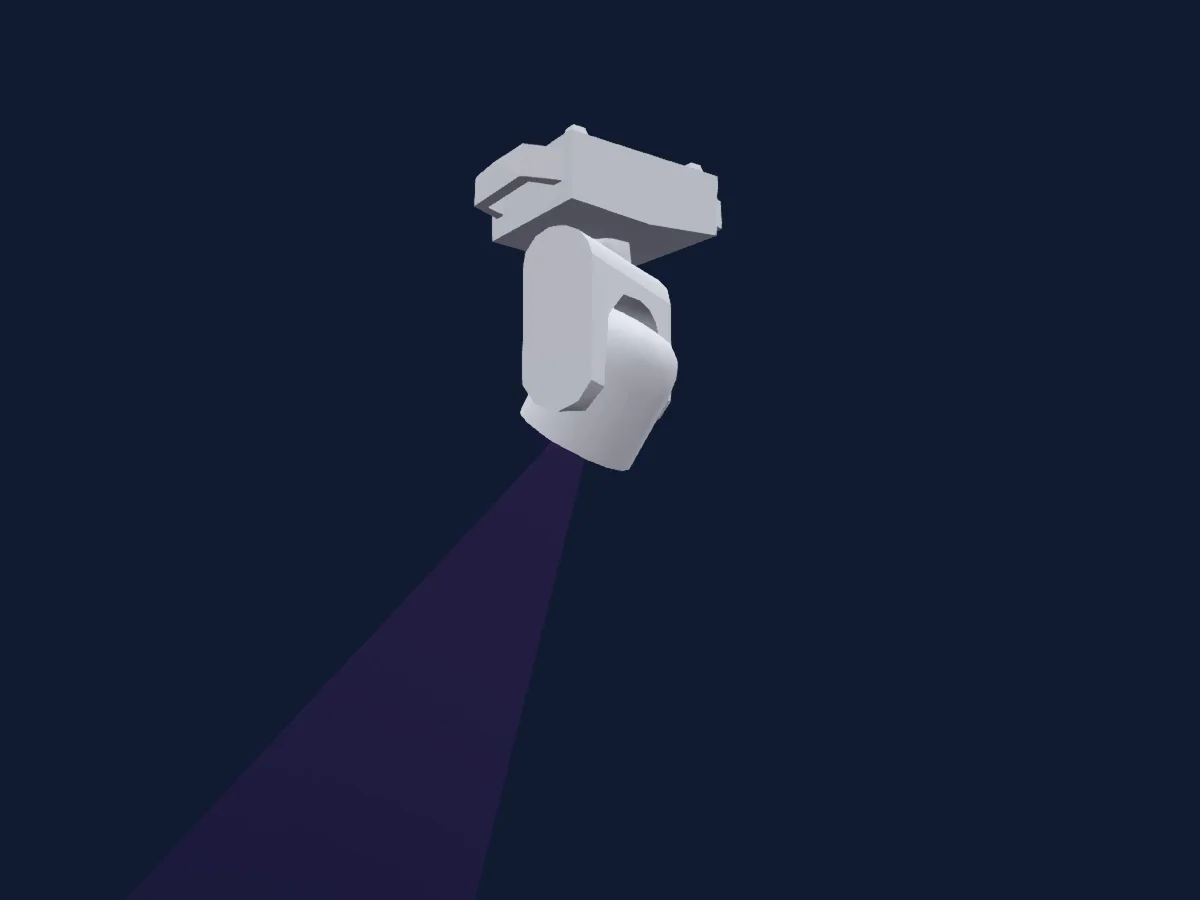
Tabela DMX, 2 modos DMX e prévia em 3D. 21 / 35 canais DMX.
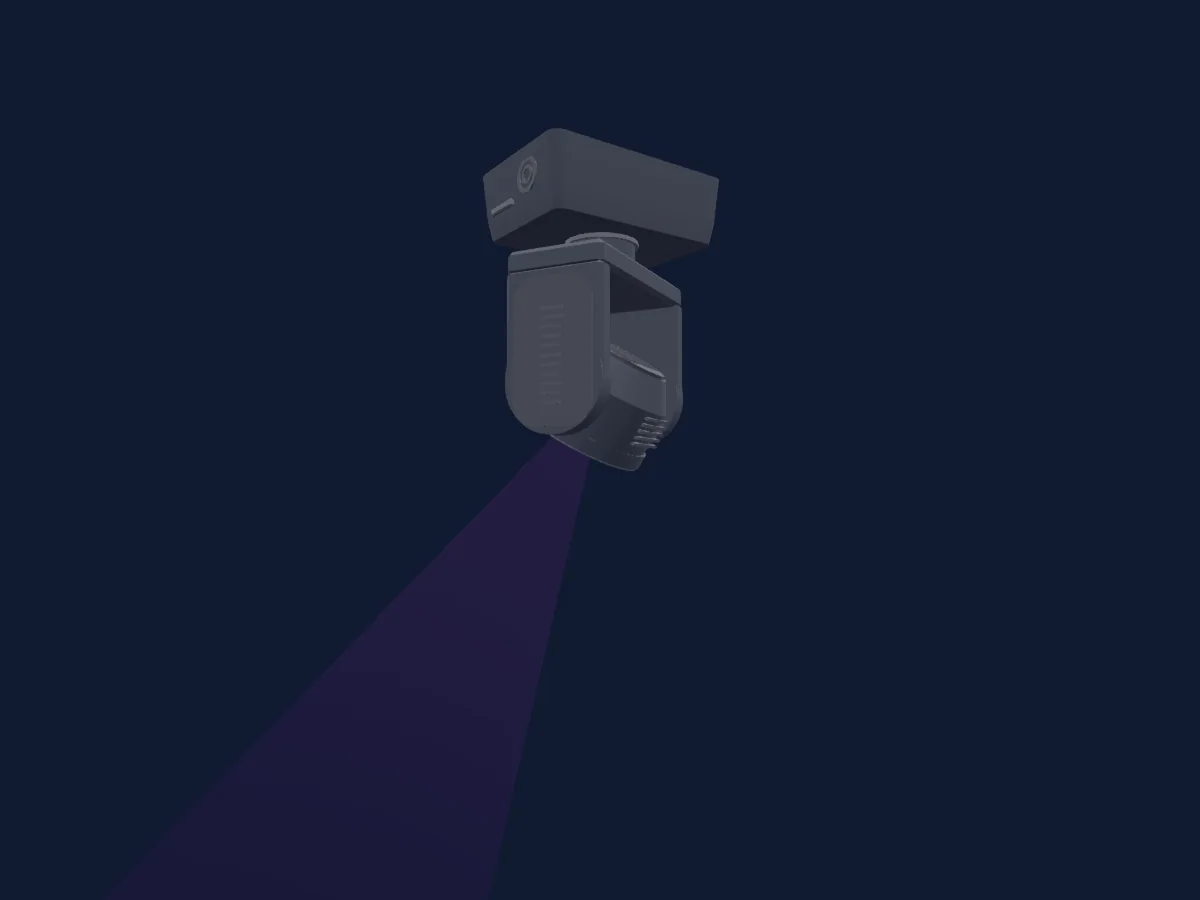
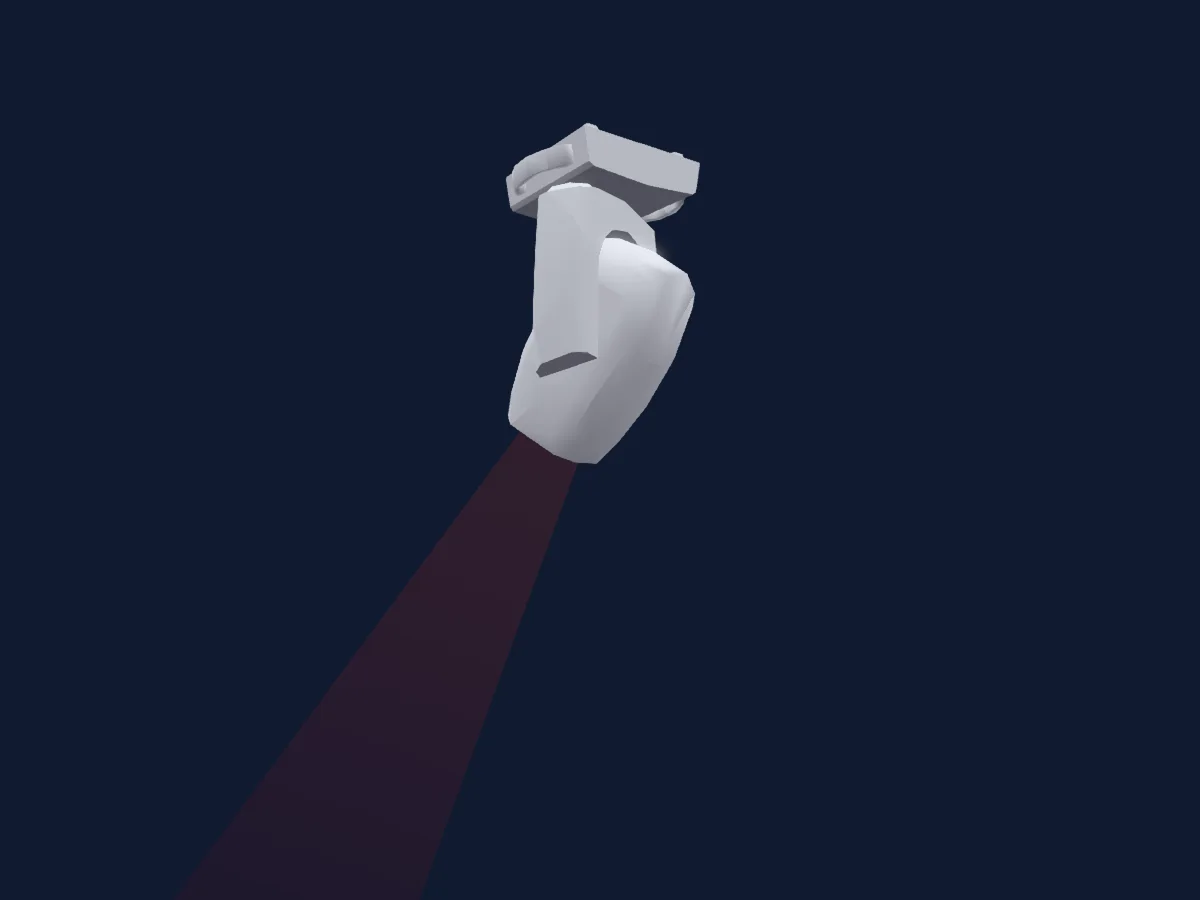
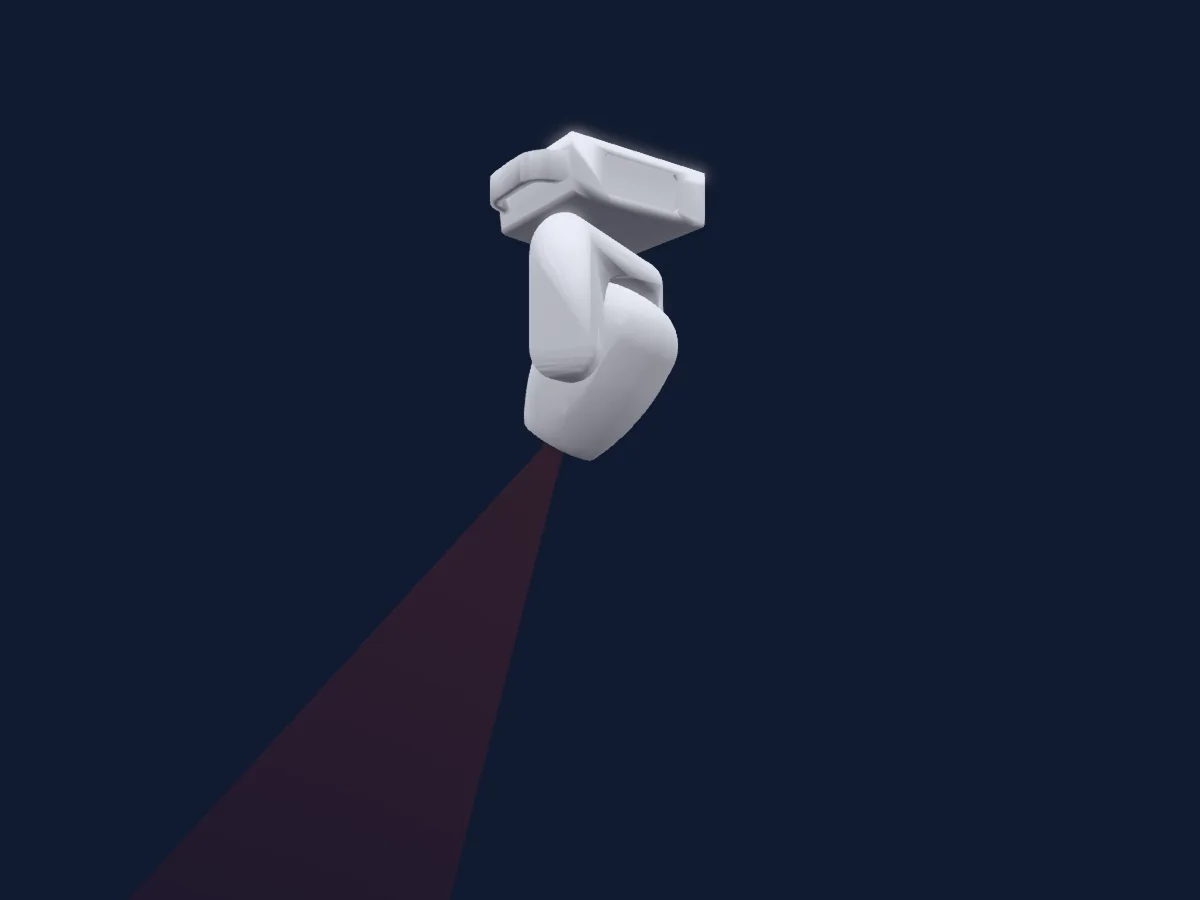
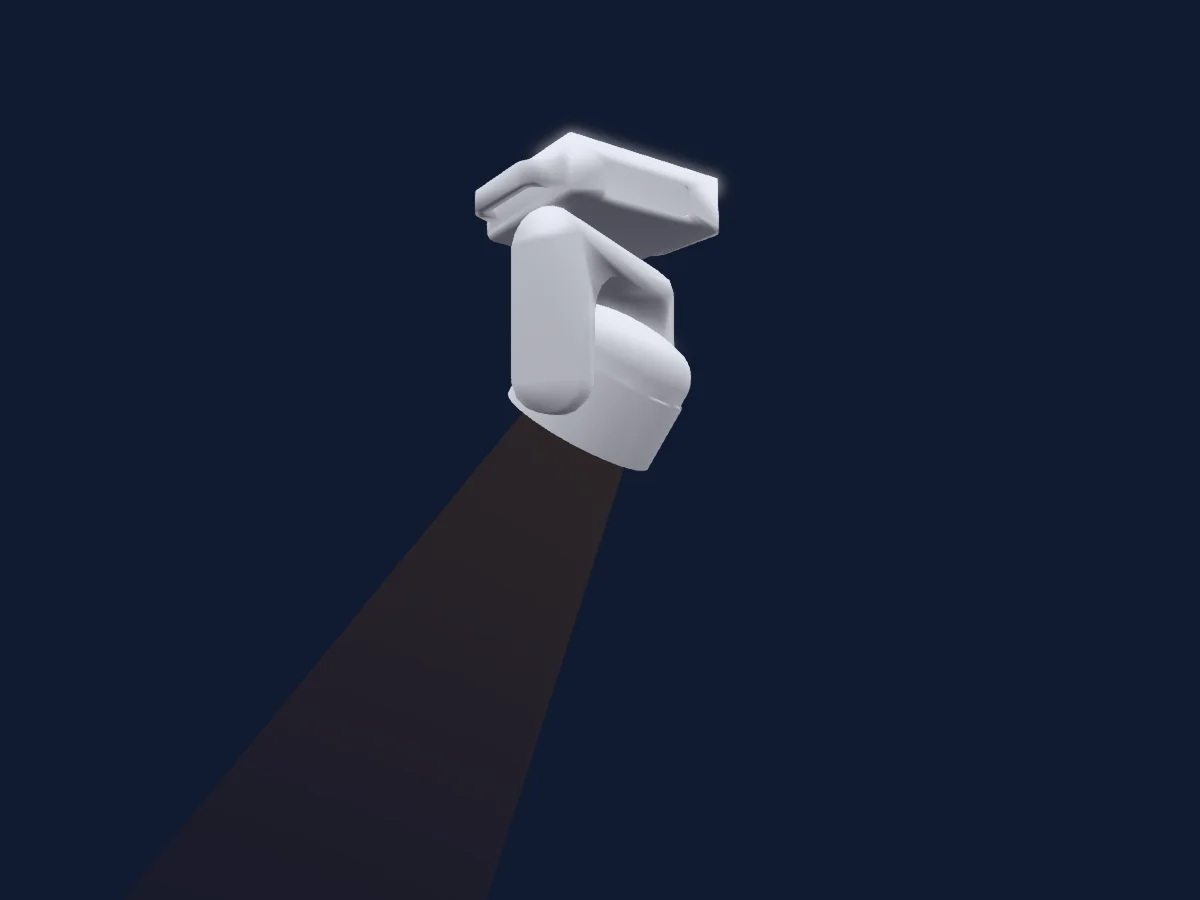
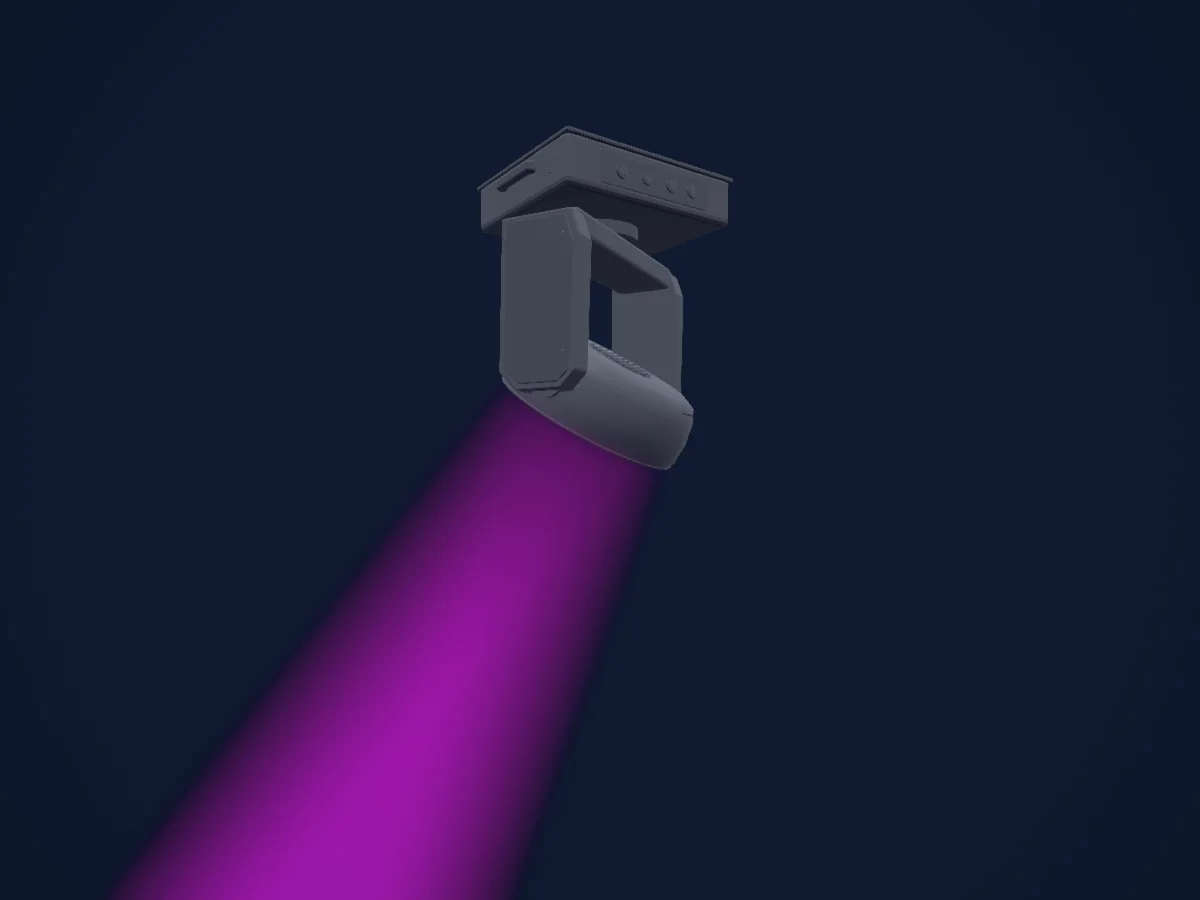
Clay Paky Aleda B-EYE K10 renderizado no HitLight

O que ele faz

  • Zoom
  • Cores de LED adicionais
  • Mistura de cores RGB
  • Temperatura de cor
  • Roda de cores
  • Strobo
  • Dimmer
  • Controle de pixels
  • Pan e tilt

Funções relevantes para a segurança: Reset do refletor. Confira como elas se comportam no seu refletor antes de um show.

Modos DMX e tabelas de canais

Modos DMX de Clay Paky Aleda B-EYE K10
ModoCanaisNo HitLight
Standard21Pronto no HitLight
Shapes35Pronto no HitLight

Standard

Pronto no HitLight

21 canais DMX · Baixar esta tabela em CSV

Tabela de canais DMX de Standard
CanalFunçãoPadrãoValores DMX
1Red2550–255
2Red Fine255Byte fino de Red
3Green2550–255
4Green Fine255Byte fino de Green
5Blue2550–255
6Blue Fine255Byte fino de Blue
7White00–255
8White Fine0Byte fino de White
9C TO0
9 faixas de valores
  • 0–9 No CTO
  • 10–53 8000K
  • 54–98 7000K
  • 99–116 6000K
  • 117–143 5600K
  • 144–187 5000K
  • 188–223 4000K
  • 224–254 3200K
  • 255–255 2500K
10Color Macro100–255
11Shutter / Strobe106
19 faixas de valores
  • 0–3 Closed
  • 4–23 Strobe · x1 Strb>> 1–5.61 Hz
  • 24–43 Strobe · x2 Strb>> 5.85–10.5 Hz
  • 44–63 Strobe · x3 Strb>> 10.7–15.3 Hz
  • 64–83 Strobe · x4 Strb>> 15.5–20.2 Hz
  • 84–103 Strobe · x5 Strb>> 20.4–25 Hz
  • 104–107 Open
  • 108–127 x1 PulseC>>
  • 128–147 x2 PulseC>>
  • 148–167 x3 PulseC>>
  • 168–187 x4 PulseC>>
  • 188–207 x5 PulseC>>
  • 208–212 Open
  • 213–220 Random · x1 RndStrb>> 1–5.42 Hz
  • 221–228 Random · x2 RndStrb>> 6.05–10.5 Hz
  • 229–235 Random · x3 RndStrb>> 11.1–14.9 Hz
  • 236–243 Random · x4 RndStrb>> 15.5–19.9 Hz
  • 244–251 Random · x5 RndStrb>> 20.6–25 Hz
  • 252–255 Open
12Dimmer0
2 faixas de valores
  • 0–254 Closed
  • 255–255 Open
13Dimmer Fine0Byte fino de Dimmer
14Pan1280–255
15Pan Fine0Byte fino de Pan
16Tilt1280–255
17Tilt Fine0Byte fino de Tilt
18Function0
35 faixas de valores
  • 0–11 No Function
  • 12–24 Fast Pan/Tilt
  • 25–37 Normal Pan/Tilt
  • 38–42 Dimmer Curve 1
  • 43–47 Dimmer Curve 2
  • 48–52 Dimmer Curve 3
  • 53–57 Dimmer Curve 4
  • 58–62 Gamma Curve 1
  • 63–67 Gamma Curve 2
  • 68–72 Gamma Curve 3
  • 73–77 Halo OFF
  • 78–82 Halo 750W
  • 83–87 Halo 1000W
  • 88–92 Halo 1200W
  • 93–97 Halo 2000W
  • 98–102 Halo 2500W
  • 103–105 Pixel Map ON
  • 106–163 No Function
  • 164–164 1000Hz
  • 165–165 1500Hz
  • 166–166 2400Hz
  • 167–167 3700Hz
  • 168–168 5600Hz
  • 169–169 9400Hz
  • 170–170 15100Hz
  • 171–171 21400Hz
  • 172–172 31000Hz
  • 173–173 43700Hz
  • 174–176 No Function
  • 177–178 Emulate K20 OFF
  • 179–180 Emulate K20 ON
  • 181–182 Standard
  • 183–184 Silent
  • 185–186 Theather
  • 187–255 No Function
19Fixture Global Reset0
4 faixas de valores
  • 0–25 No Function
  • 26–76 Zoom Reset
  • 77–127 Position Reset
  • 128–255 Reset
20Zoom0
2 faixas de valores
  • 0–254 Narrow
  • 255–255 Wide
21Zoom Pos0
16 faixas de valores
  • 0–31 0 deg
  • 32–63 15 deg
  • 64–95 30 deg
  • 96–126 45 deg
  • 127–127 60 deg
  • 128–140 x5 Rot Zoom<<
  • 141–152 x4 Rot Zoom<<
  • 153–165 x3 Rot Zoom<<
  • 166–177 x2 Rot Zoom<<
  • 178–190 x1 Rot Zoom<<
  • 191–192 Rot Zoom><
  • 193–205 x1 Rot Zoom>>
  • 206–217 x2 Rot Zoom>>
  • 218–230 x3 Rot Zoom>>
  • 231–242 x4 Rot Zoom>>
  • 243–255 x5 Rot Zoom>>

Shapes

Pronto no HitLight

35 canais DMX · Baixar esta tabela em CSV

Tabela de canais DMX de Shapes
CanalFunçãoPadrãoValores DMX
1Red2550–255
2Red Fine255Byte fino de Red
3Green2550–255
4Green Fine255Byte fino de Green
5Blue2550–255
6Blue Fine255Byte fino de Blue
7White00–255
8White Fine0Byte fino de White
9C TO0
9 faixas de valores
  • 0–9 No CTO
  • 10–53 8000K
  • 54–98 7000K
  • 99–116 6000K
  • 117–143 5600K
  • 144–187 5000K
  • 188–223 4000K
  • 224–254 3200K
  • 255–255 2500K
10Color Macro100–255
11Shutter / Strobe106
19 faixas de valores
  • 0–3 Closed
  • 4–23 Strobe · x1 Strb>> 1–5.61 Hz
  • 24–43 Strobe · x2 Strb>> 5.85–10.5 Hz
  • 44–63 Strobe · x3 Strb>> 10.7–15.3 Hz
  • 64–83 Strobe · x4 Strb>> 15.5–20.2 Hz
  • 84–103 Strobe · x5 Strb>> 20.4–25 Hz
  • 104–107 Open
  • 108–127 x1 PulseC>>
  • 128–147 x2 PulseC>>
  • 148–167 x3 PulseC>>
  • 168–187 x4 PulseC>>
  • 188–207 x5 PulseC>>
  • 208–212 Open
  • 213–220 Random · x1 RndStrb>> 1–5.42 Hz
  • 221–228 Random · x2 RndStrb>> 6.05–10.5 Hz
  • 229–235 Random · x3 RndStrb>> 11.1–14.9 Hz
  • 236–243 Random · x4 RndStrb>> 15.5–19.9 Hz
  • 244–251 Random · x5 RndStrb>> 20.6–25 Hz
  • 252–255 Open
12Dimmer0
2 faixas de valores
  • 0–254 Closed
  • 255–255 Open
13Dimmer Fine0Byte fino de Dimmer
14Pan1280–255
15Pan Fine0Byte fino de Pan
16Tilt1280–255
17Tilt Fine0Byte fino de Tilt
18Function0
35 faixas de valores
  • 0–11 No Function
  • 12–24 Fast Pan/Tilt
  • 25–37 Normal Pan/Tilt
  • 38–42 Dimmer Curve 1
  • 43–47 Dimmer Curve 2
  • 48–52 Dimmer Curve 3
  • 53–57 Dimmer Curve 4
  • 58–62 Gamma Curve 1
  • 63–67 Gamma Curve 2
  • 68–72 Gamma Curve 3
  • 73–77 Halo OFF
  • 78–82 Halo 750W
  • 83–87 Halo 1000W
  • 88–92 Halo 1200W
  • 93–97 Halo 2000W
  • 98–102 Halo 2500W
  • 103–105 Pixel Map ON
  • 106–163 No Function
  • 164–164 1000Hz
  • 165–165 1500Hz
  • 166–166 2400Hz
  • 167–167 3700Hz
  • 168–168 5600Hz
  • 169–169 9400Hz
  • 170–170 15100Hz
  • 171–171 21400Hz
  • 172–172 31000Hz
  • 173–173 43700Hz
  • 174–176 No Function
  • 177–178 Emulate K20 OFF
  • 179–180 Emulate K20 ON
  • 181–182 Standard
  • 183–184 Silent
  • 185–186 Theather
  • 187–255 No Function
19Fixture Global Reset0
4 faixas de valores
  • 0–25 No Function
  • 26–76 Zoom Reset
  • 77–127 Position Reset
  • 128–255 Reset
20Zoom255
2 faixas de valores
  • 0–254 Narrow
  • 255–255 Wide
21Beam Shaper0
16 faixas de valores
  • 0–31 0 deg
  • 32–63 15 deg
  • 64–95 30 deg
  • 96–126 45 deg
  • 127–127 60 deg
  • 128–140 x5 Rot Zoom<<
  • 141–152 x4 Rot Zoom<<
  • 153–165 x3 Rot Zoom<<
  • 166–177 x2 Rot Zoom<<
  • 178–190 x1 Rot Zoom<<
  • 191–192 Rot Zoom><
  • 193–205 x1 Rot Zoom>>
  • 206–217 x2 Rot Zoom>>
  • 218–230 x3 Rot Zoom>>
  • 231–242 x4 Rot Zoom>>
  • 243–255 x5 Rot Zoom>>
22Shape Selection00–255
23Shape Speed160
24 faixas de valores
  • 0–4 0 deg
  • 5–9 30 deg
  • 10–15 60 deg
  • 16–20 90 deg
  • 21–25 120 deg
  • 26–31 150 deg
  • 32–36 180 deg
  • 37–41 210 deg
  • 42–46 240 deg
  • 47–52 270 deg
  • 53–57 300 deg
  • 58–62 330 deg
  • 63–63 360 deg
  • 64–82 x5 Speed<<
  • 83–101 x4 Speed<<
  • 102–120 x3 Speed<<
  • 121–139 x2 Speed<<
  • 140–158 x1 Speed<<
  • 159–160 Speed><
  • 161–179 x1 Speed>>
  • 180–198 x2 Speed>>
  • 199–217 x3 Speed>>
  • 218–236 x4 Speed>>
  • 237–255 x5 Speed>>
24Shape Fade0
9 faixas de valores
  • 0–15 Snap
  • 16–53 Gamma 050
  • 54–91 Gamma 075
  • 92–129 Gamma 100
  • 130–167 Gamma 125
  • 168–206 Gamma 150
  • 207–244 Gamma 175
  • 245–245 Gamma 200
  • 246–255 Gamma Auto
25Red2550–255
26Green2550–255
27Blue2550–255
28White00–255
29Dimmer0
2 faixas de valores
  • 0–254 Closed
  • 255–255 Open
30Dimmer0
2 faixas de valores
  • 0–254 Closed
  • 255–255 Open
31Shape Transition0
7 faixas de valores
  • 0–4 No Fade
  • 5–72 100 ms
  • 73–112 500 ms
  • 113–170 1s
  • 171–215 2s
  • 216–254 3s
  • 255–255 4s
32Shape Offset0
2 faixas de valores
  • 0–254 Zero
  • 255–255 Max
33Shutter / Strobe106
19 faixas de valores
  • 0–3 Closed
  • 4–23 SHP Strobe · x1 Strb>> 1–5.61 Hz
  • 24–43 SHP Strobe · x2 Strb>> 5.85–10.5 Hz
  • 44–63 SHP Strobe · x3 Strb>> 10.7–15.3 Hz
  • 64–83 SHP Strobe · x4 Strb>> 15.5–20.2 Hz
  • 84–103 SHP Strobe · x5 Strb>> 20.4–25 Hz
  • 104–107 Open
  • 108–127 x1 PulseC>>
  • 128–147 x2 PulseC>>
  • 148–167 x3 PulseC>>
  • 168–187 x4 PulseC>>
  • 188–207 x5 PulseC>>
  • 208–212 Open
  • 213–220 SHP Random · x1 RndStrb>> 1–5.42 Hz
  • 221–228 SHP Random · x2 RndStrb>> 6.05–10.5 Hz
  • 229–235 SHP Random · x3 RndStrb>> 11.1–14.9 Hz
  • 236–243 SHP Random · x4 RndStrb>> 15.5–19.9 Hz
  • 244–251 SHP Random · x5 RndStrb>> 20.6–25 Hz
  • 252–255 Open
34Shutter / Strobe106
19 faixas de valores
  • 0–3 Closed
  • 4–23 BG Strobe · x1 Strb>> 1–5.61 Hz
  • 24–43 BG Strobe · x2 Strb>> 5.85–10.5 Hz
  • 44–63 BG Strobe · x3 Strb>> 10.7–15.3 Hz
  • 64–83 BG Strobe · x4 Strb>> 15.5–20.2 Hz
  • 84–103 BG Strobe · x5 Strb>> 20.4–25 Hz
  • 104–107 Open
  • 108–127 x1 PulseC>>
  • 128–147 x2 PulseC>>
  • 148–167 x3 PulseC>>
  • 168–187 x4 PulseC>>
  • 188–207 x5 PulseC>>
  • 208–212 Open
  • 213–220 BG Random · x1 RndStrb>> 1–5.42 Hz
  • 221–228 BG Random · x2 RndStrb>> 6.05–10.5 Hz
  • 229–235 BG Random · x3 RndStrb>> 11.1–14.9 Hz
  • 236–243 BG Random · x4 RndStrb>> 15.5–19.9 Hz
  • 244–251 BG Random · x5 RndStrb>> 20.6–25 Hz
  • 252–255 Open
35Shape Selection0
18 faixas de valores
  • 0–8 BG Shape OFF
  • 9–9 Pixel 1
  • 10–10 Ring 2
  • 11–11 Ring 3
  • 12–12 Ring 4
  • 13–13 Pixel 1 + Ring 2
  • 14–14 Pixel 1 + Ring 2-3
  • 15–15 Pixel 1 + Ring 2-3-4
  • 16–16 Ring 2-3-4
  • 17–17 Ring 3-4
  • 18–18 Pixel 1 + Ring 4
  • 19–19 Ring 2-3
  • 20–20 Pixel 1 + Ring 3
  • 21–21 Ring 2-4
  • 22–22 Pixel 1 + Ring 3-4
  • 23–23 Pixel 1 + Ring 2-4
  • 24–254 No Selection
  • 255–255 Mirror Effect

Usar Clay Paky Aleda B-EYE K10 no HitLight

  1. Abra Adicionar refletor e procure Clay Paky Aleda B-EYE K10.
  2. Escolha o modo DMX configurado no menu do próprio refletor. O HitLight atribui a ele o menor endereço inicial livre do universo que comporta a quantidade de canais do modo.
  3. Confira o modo e os controles no seu refletor real antes de usar ao vivo.

Espaços com Clay Paky Aleda B-EYE K10

As suas montagens guardadas incluem este modelo de aparelho. Confirme o equipamento atual com o espaço.

Locais com este refletor no rig salvo ↗

As tabelas vêm da descrição GDTF do refletor, convertida para a biblioteca do HitLight. O HitLight não tem vínculo com a Clay Paky.

Fixture model: gdtf-clay-paky-aleda-b-eye-k10-96718
Creator: HitLight
Modifications: Made in-house by HitLight: procedural geometry from .context/catalog-fixes/20261104/housings/build.ts (hitlight-authored-housing-v1, primitives from scripts/gdtf/lib/housingGeometry.ts), authored from the published profile frame and the manufacturer's stated dimensions. No third-party meshes, photos or generated models.

Faça o patch e deixe a música comandar as luzes.

O HitLight encontra esses refletores na biblioteca, faz o patch no próximo endereço livre e mostra seu rig em 3D antes de você ligar uma única luz.

Abrir HitLight ↗Baixar o HitLight